




What's Happening?
21 TSI, a company that has launched brands like Maddle, Montreal Weights, Ascend, and Nordik Recovery, is actively recruiting Technical Support Specialists for home fitness and wellness equipment. The company, which has fulfilled over 100,000 orders across
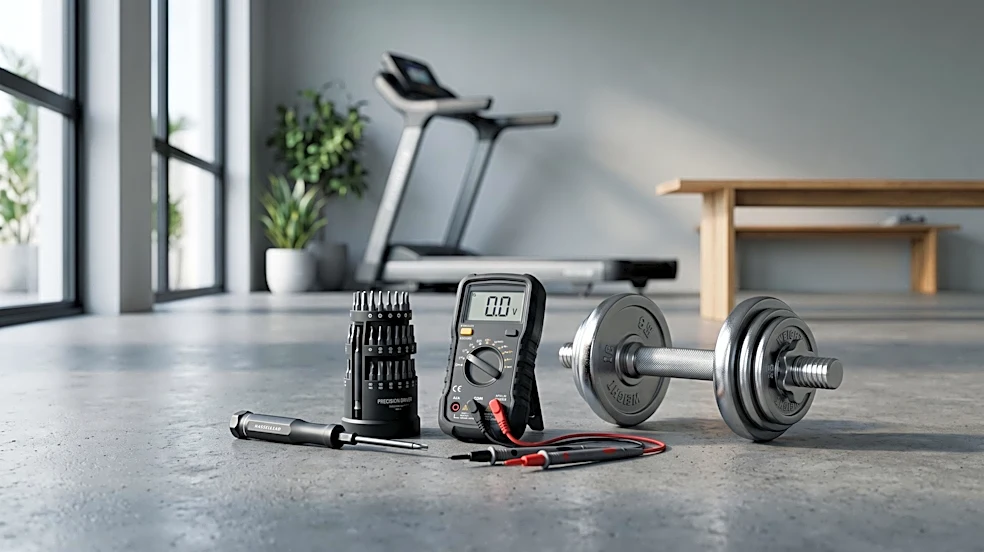
Canada in five years, is undergoing rapid growth and expanding into the North American market. This role is not an IT or computer support position but focuses on hands-on problem-solving for physical products such as treadmills, exercise bikes, adjustable dumbbells, chillers, saunas, and recovery systems. Responsibilities include diagnosing and resolving issues via email, phone, or video, guiding customers through troubleshooting, identifying replacement parts, coordinating with logistics for shipments, tracking warranty cases, and reporting recurring issues to Quality Control. The position offers an hourly wage between $22 and $30, along with health and dental insurance after three months, access to virtual care, bi-weekly massages, and employee discounts.
Why It's Important?
This recruitment drive by 21 TSI highlights the growing demand for home fitness and wellness equipment in the North American market. The expansion of companies like 21 TSI signifies a broader trend in consumer behavior, where individuals are increasingly investing in personal fitness solutions for their homes. This shift impacts the manufacturing and retail sectors, driving innovation in compact and multi-use fitness equipment, as noted by RitFit Sports. The need for specialized technical support, as indicated by 21 TSI's job listing, underscores the complexity of modern fitness devices and the importance of post-purchase customer service in maintaining brand loyalty and product reliability. For the U.S. economy, this trend could lead to job creation in technical support, logistics, and manufacturing, while also influencing the design and marketing strategies of fitness equipment companies. The emphasis on mechanical and hands-on experience for these roles suggests a demand for practical skills in the workforce.
What's Next?
As 21 TSI continues its North American expansion, it is likely to further scale its operations and support infrastructure. This could involve opening new distribution centers, increasing its technical support team, and potentially expanding its product lines to meet diverse consumer needs. The company's focus on improving product reliability through feedback to Quality Control and suppliers suggests a continuous effort to enhance customer satisfaction and reduce support incidents. Other companies in the home fitness sector may follow suit, investing more in robust customer support and product development. Consumers can expect a wider array of home fitness equipment options, potentially with improved durability and easier troubleshooting processes. The growth of this sector may also lead to increased competition, driving down prices or encouraging more innovative features in home gym setups.
Beyond the Headlines
The rise of home fitness, exemplified by 21 TSI's expansion, reflects a significant cultural shift towards personalized wellness and convenience. This trend, accelerated by recent global events, has transformed how individuals approach physical activity, moving away from traditional gym memberships towards more accessible and flexible home-based solutions. The demand for technical support for these products also points to the increasing integration of technology and mechanics in everyday consumer goods, requiring a new skill set for maintenance and repair. This shift has broader implications for urban planning, as less reliance on commercial gyms might free up real estate, and for public health, as home fitness can lower barriers to exercise for many. The emphasis on employee benefits like health insurance and massages by 21 TSI also highlights a growing trend in corporate responsibility and employee well-being, particularly in fast-growing sectors.