
What's Happening?
Individuals seeking to slow down their perception of time can adopt several mindfulness practices and make minor adjustments to their daily routines. One effective method involves breaking daily routines by
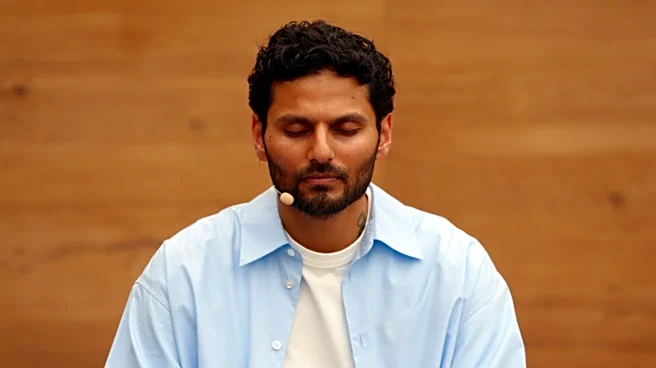
incorporating new activities, which helps maintain focus on the present moment. For instance, visiting a new coffee shop or engaging in a five-minute exercise can introduce novelty without overwhelming the brain. Another recommended practice is mindfulness meditation, which, even in short five-minute sessions, can ground individuals, improve memory, and reduce stress, thereby making time feel less rushed. Additionally, taking photographs of ordinary daily moments encourages pausing and appreciating the small details often overlooked, fostering a sense of gratitude and making these moments feel more significant. These techniques aim to enhance presence and engagement with daily life, counteracting the feeling that time is passing too quickly.
Why It's Important?
The ability to slow down one's perception of time through intentional practices holds significant importance for mental well-being and overall quality of life. In a fast-paced society, many individuals experience stress and a feeling of being overwhelmed by the rapid passage of time. By implementing strategies like breaking routines and practicing mindfulness, people can cultivate a greater sense of control over their daily experiences. This can lead to reduced anxiety, improved focus, and a deeper appreciation for everyday life. The emphasis on being present and mindful can also enhance personal relationships and productivity, as individuals are more engaged in their activities. Ultimately, these practices contribute to a more balanced and fulfilling existence, allowing individuals to savor moments rather than feeling constantly rushed.
What's Next?
As awareness of the benefits of mindfulness and intentional living grows, it is likely that more resources and programs will emerge to help individuals integrate these practices into their lives. Further research may explore the long-term psychological and physiological impacts of consistently applying these 'mind tricks' to slow down time. We might see an increase in mindfulness workshops, apps, and guided meditation programs tailored to busy individuals. Additionally, there could be a societal shift towards valuing presence and intentionality over constant productivity, influencing workplace cultures and educational systems. Individuals may also continue to experiment with personalized combinations of these techniques to find what best suits their lifestyles, leading to a more widespread adoption of slow living principles.
Beyond the Headlines
Beyond the immediate benefits of stress reduction and increased presence, the adoption of these time-slowing techniques points to a broader cultural shift away from relentless acceleration. This movement challenges the modern societal pressure to constantly multitask and maximize efficiency, instead advocating for a more deliberate and appreciative approach to life. Ethically, it encourages individuals to reclaim agency over their subjective experience of time, fostering a deeper connection to their surroundings and inner selves. Legally, while not directly impacted, a more mindful populace might indirectly influence policies related to work-life balance and mental health support. Culturally, it signifies a growing recognition of the importance of mental well-being and the pursuit of a more meaningful existence over purely material or productivity-driven goals, potentially leading to a re-evaluation of societal values.