





What's Happening?
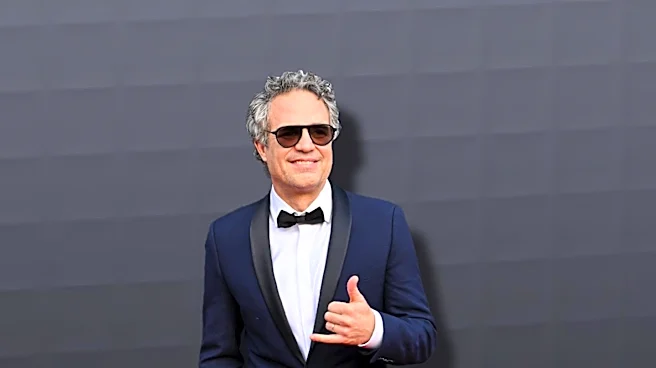
More than 170 Jewish artists, writers, religious leaders, and entertainment industry professionals have signed an open letter in support of actor Mark Ruffalo. This action follows accusations from Paramount that Ruffalo employed antisemitic tropes in his criticism
of the studio's planned merger with Warner Bros. Discovery. Ruffalo's initial social media post on August 21 criticized the deal for its potential impact on Hollywood jobs and media consolidation, and he also claimed the Ellison family, owners of Paramount and Oracle, played a role in what he termed 'genocide against Palestinians,' referencing Oracle's dealings with the Israeli army. Paramount responded by stating it found the use of antisemitic tropes to support a business deal 'disturbing' and 'a bridge too far.' Ruffalo has rejected the allegation, asserting that criticizing the Israeli prime minister, a military-technology contract, and involved executives is not equivalent to criticizing Jewish people. The open letter supporting Ruffalo argues that criticism of the merger and Israel's actions in Gaza is not antisemitism, calling the accusations against Ruffalo an 'outrageous smear campaign.' This letter is the second open letter to circulate in the industry regarding this incident, with the first, from a group called The Brigade, condemning Ruffalo's comments as antisemitic.
Why It's Important?
This situation highlights a significant and sensitive debate within the entertainment industry and broader society regarding the distinction between criticism of Israeli government policies or business practices and antisemitism. The involvement of prominent figures from the Jewish community on both sides of the argument underscores the complexity and division surrounding these issues. For the entertainment industry, it raises questions about freedom of speech for public figures, corporate responsibility, and the potential for accusations of antisemitism to impact careers and public perception. The ongoing Paramount-Warner Bros. Discovery merger, which is currently on hold due with legal challenges from 12 states and the Writers Guild of America, adds another layer of scrutiny, linking corporate actions to geopolitical and ethical considerations. The differing viewpoints also reflect a broader societal discussion, particularly among American Jews, regarding Israel's actions in Gaza, with a recent poll cited in the letter indicating that a significant percentage of American Jews believe Israel is committing war crimes or genocide.
What's Next?
The Paramount-Warner Bros. Discovery merger remains unresolved, with a trial set for March 2027, or until June 1, 2027, whichever comes first, as Paramount has agreed not to close the deal until then. This ongoing legal battle will continue to draw attention to the companies involved and potentially to the criticisms raised by Mark Ruffalo and his supporters. Further public statements or letters from entertainment figures on both sides of the debate are possible as the merger process unfolds and as discussions around the Israeli-Palestinian conflict continue. The incident may also prompt further internal discussions within Hollywood studios and organizations regarding how to address and respond to politically charged statements from talent, particularly when they intersect with sensitive geopolitical issues and accusations of prejudice. The legal and public relations ramifications for Paramount and the Ellison family, as well as for Mark Ruffalo, will likely continue to evolve.
Beyond the Headlines
This controversy delves into the intricate relationship between corporate power, media consolidation, and geopolitical ethics. Mark Ruffalo's initial criticism of the merger, linking it to the Ellison family's business dealings and their alleged connection to the Israeli military, brings to light the often-unseen ties between global corporations and international conflicts. The subsequent accusations of antisemitism and the counter-defense by a large group of Jewish entertainment figures underscore a growing tension: how to critique powerful entities or national policies without being labeled as prejudiced. This incident could set a precedent for how public figures in the U.S. navigate discussions on sensitive international issues, particularly those involving Israel, and how corporations respond to such criticisms. It also highlights the ethical obligations perceived by some Jewish individuals to speak out against actions they deem unjust, even when it involves challenging their own community or powerful figures within it. The debate reflects a broader societal shift where consumers and artists increasingly expect corporations to align with ethical standards beyond purely financial interests.