










What's Happening?
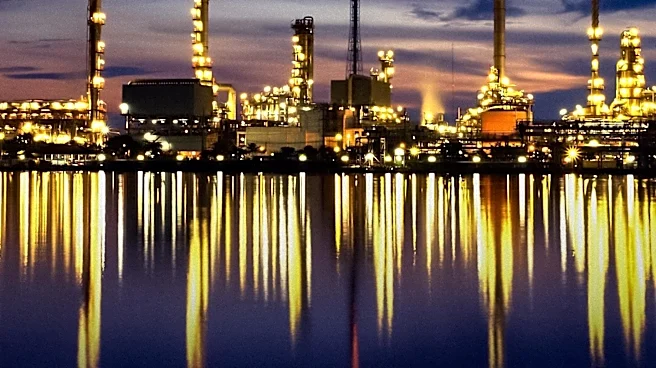
The global oil market is experiencing a significant shift from supply concerns to refining challenges. Despite the resumption of oil flow from the Persian Gulf, the ability to refine crude into usable products like gasoline and diesel is severely constrained.
This is due to disruptions caused by the Iran war, which has affected refineries in the Middle East and beyond. The global refining capacity has decreased by 8.4 million barrels per day, resulting in a 10% reduction in fuel production. The situation is exacerbated by extreme temperatures affecting refinery operations and geopolitical tensions, including renewed hostilities in the Persian Gulf and a US-led naval blockade. Additionally, Russia's recent ban on diesel exports due to Ukrainian attacks on its refineries has further strained the global diesel market.
Why It's Important?
The refining bottleneck has significant implications for global energy markets and economies. While crude oil supply has somewhat stabilized, the inability to refine it into essential fuels like gasoline and diesel could lead to prolonged high fuel prices. This situation affects not only consumer costs but also industrial operations and transportation sectors worldwide. The United States, which has become a key exporter of refined products during the Middle East crisis, faces its own challenges with aging refinery infrastructure and environmental regulations. The ongoing geopolitical tensions and disruptions in major oil-producing regions underscore the vulnerability of global energy supply chains and the need for strategic investments in refining capacity and infrastructure resilience.
What's Next?
The global refining industry must address the current capacity constraints to prevent long-term disruptions in fuel supply. This may involve investments in upgrading existing refineries and building new facilities, particularly in regions with growing demand. Additionally, geopolitical developments in the Middle East and Russia will continue to influence the global energy landscape. Stakeholders, including governments and energy companies, will need to navigate these challenges while balancing environmental considerations and economic needs. The situation also highlights the importance of diversifying energy sources and enhancing energy security through alternative fuels and technologies.