







What's Happening?
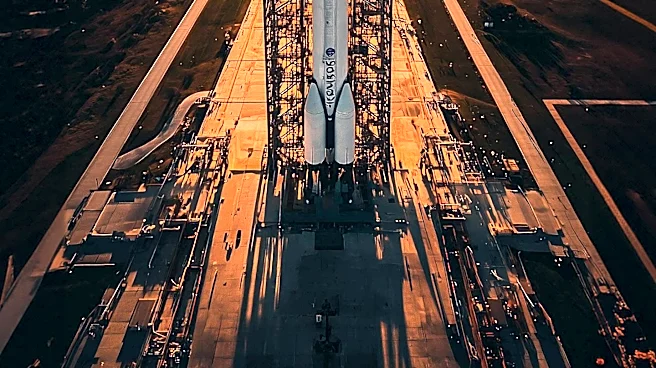
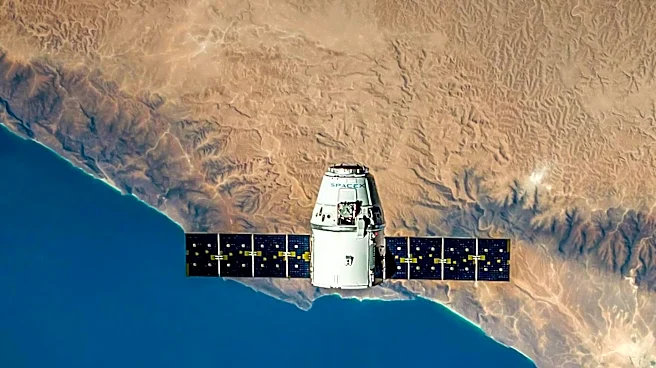
SpaceX has recently gone public with a valuation of $1.77 trillion, marking a significant milestone in the tech industry. Alongside SpaceX, Anthropic and OpenAI are also preparing for their initial public offerings (IPOs), which are expected to push their combined
valuations into the trillions. According to a report by NCVA-Pitchbook Venture Monitor, these exits are projected to generate more value than all U.S. venture capital-backed exits since 2000. This development highlights the massive influx of investment into artificial intelligence (AI) and space technology sectors. The report emphasizes that the combined value of these companies will surpass the $70 billion in U.S.-based IPO proceeds recorded last year. This surge in valuations is attributed to the capital-intensive nature of AI training and the trend of companies remaining private longer to increase their market value before going public.
Why It's Important?
The unprecedented valuations of SpaceX, Anthropic, and OpenAI signify a transformative period in the U.S. tech industry, with AI and space technology at the forefront. These companies' public offerings are reshaping the financial landscape, pushing the limits of existing financial infrastructure. The massive capital influx into AI reflects its growing importance and potential to revolutionize various sectors, from healthcare to transportation. The trend of companies staying private longer before going public suggests a shift in how tech companies approach growth and market entry, potentially influencing future investment strategies and market dynamics. This development could lead to increased competition and innovation within the tech industry, benefiting consumers and stakeholders.
What's Next?
As SpaceX, Anthropic, and OpenAI continue to expand, their influence on the tech industry and financial markets is expected to grow. The successful IPOs of these companies may encourage other tech firms to follow suit, potentially leading to a wave of new public offerings. Investors and stakeholders will likely monitor these developments closely, assessing the impact on market trends and investment opportunities. Additionally, the focus on AI and space technology may drive further advancements and collaborations in these fields, fostering innovation and economic growth. Policymakers and regulators may also need to adapt to the evolving landscape, ensuring that financial systems can accommodate such large-scale valuations and transactions.
Beyond the Headlines
The rise of AI and space technology companies like SpaceX, Anthropic, and OpenAI raises important ethical and regulatory considerations. As these technologies become more integrated into daily life, issues such as data privacy, security, and ethical AI use will become increasingly significant. The concentration of power and resources in a few large tech companies may also prompt discussions about market competition and antitrust regulations. Furthermore, the environmental impact of space exploration and AI development could become a focal point for sustainability efforts, prompting companies to adopt greener practices and technologies.