








What's Happening?
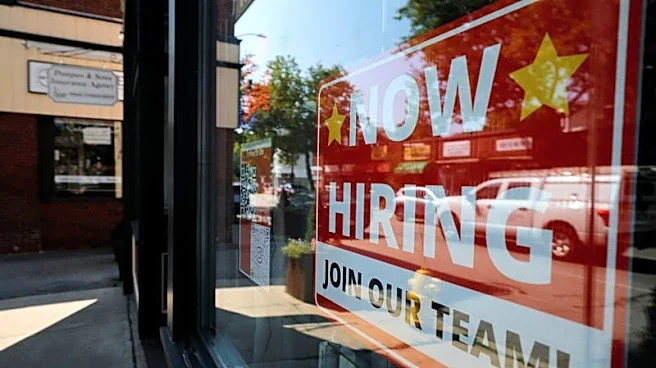
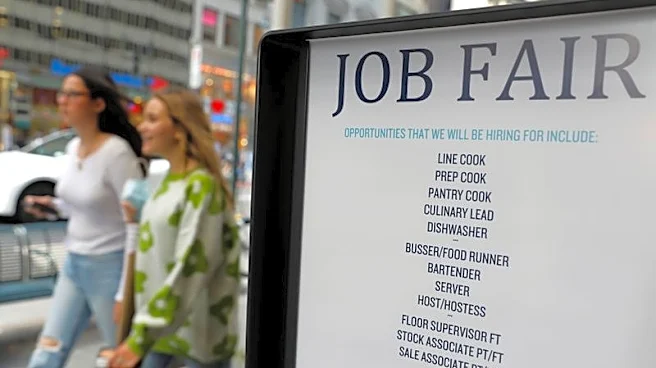
U.S. employers added 57,000 jobs in June, marking a slowdown in hiring compared to previous months, according to the Labor Department. The unemployment rate decreased slightly to 4.2% from 4.3% in May, largely due to a decline in labor force participation.
The job market remains in a 'low-hire, low-fire' state, with businesses cautious about the economy's health amid high inflation and low consumer confidence. Despite some sectors like healthcare and professional services adding jobs, others such as leisure and hospitality saw declines. The report suggests that while hiring has improved from last year, it remains fragile.
Why It's Important?
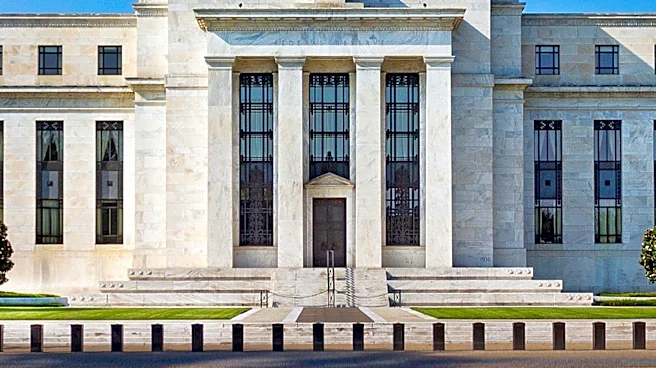
The slowdown in hiring reflects broader economic uncertainties, including inflation and consumer spending concerns. This cautious approach by employers could impact economic recovery and influence Federal Reserve policies. The muted job growth may alleviate pressure on the Fed to raise interest rates, as wage gains are not accelerating enough to worsen inflation. However, the decline in labor force participation, particularly among prime-age workers, highlights ongoing challenges in the labor market. The situation underscores the need for policies that address workforce participation and economic stability.
What's Next?
The Federal Reserve may hold off on interest rate hikes, given the current job market conditions. The focus will likely remain on monitoring inflation and economic growth indicators. Employers may continue to be cautious in hiring, especially in sectors vulnerable to economic shifts. The labor market's trajectory will depend on factors such as consumer confidence, inflation trends, and potential policy changes. Stakeholders will be watching for any signs of economic stabilization or further disruptions that could affect hiring and wage growth.