



What's Happening?
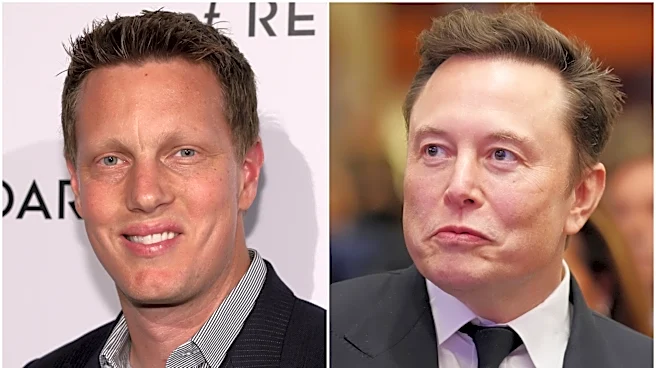
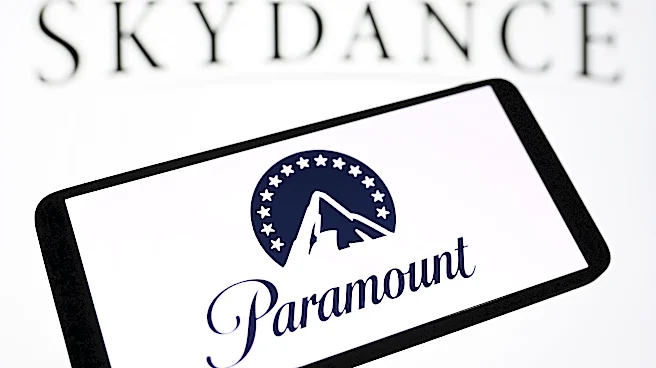
David Ellison, CEO of Skydance, confirmed Elon Musk's investment in the media conglomerate during an appearance at Jazz at Lincoln Center. Skydance, which now encompasses Paramount and Warner Bros. Discovery, includes major news outlets like CNN and CBS
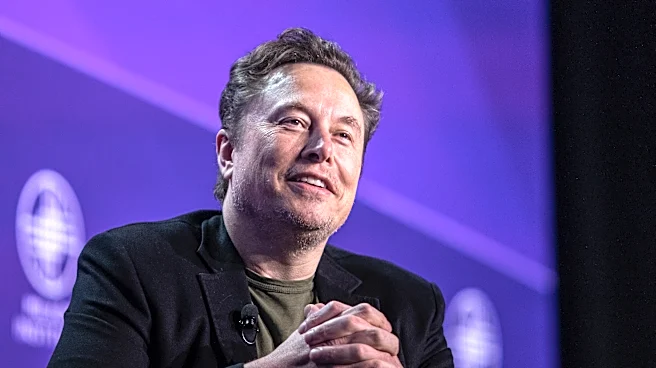
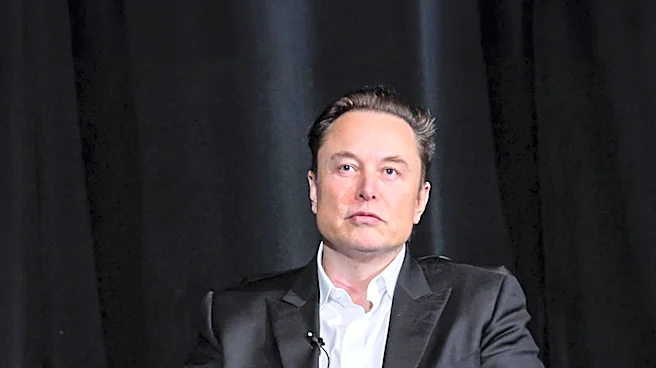
News. Ellison expressed admiration for Musk, calling him 'the greatest entrepreneur of our time' and stating that having him as a shareholder is 'an honor and a privilege.' Reports from Semafor and CNBC last month estimated Musk's investment to be around $1 billion. Despite Musk's significant financial stake in their parent company, a review by Status found no instances of CNN or CBS News disclosing this investment to their audiences when covering Musk or his related interests. Spokespersons for both CNN and CBS News maintained their editorial independence, asserting that their reporting decisions are not influenced by investors.
Why It's Important?
Elon Musk's investment in Skydance, a company that owns CNN and CBS News, raises significant questions about journalistic transparency and potential conflicts of interest within major U.S. news organizations. While both networks claim editorial independence, the lack of disclosure regarding Musk's financial stake when reporting on him or his companies is seen by journalism experts as a failure to uphold standard journalistic practices. Musk is a frequent subject of news coverage due to his business ventures, social media activities, and political influence. Audiences have a right to be aware of any potential financial ties that could, even implicitly, influence news reporting. This situation could erode public trust in these news outlets, particularly given Musk's history of spreading misinformation and his critical stance towards traditional media. The perceived lack of transparency could lead to accusations of biased reporting or a softer approach to covering a major investor.
What's Next?
The confirmation of Elon Musk's investment in Skydance and the subsequent lack of disclosure by CNN and CBS News are likely to intensify calls for greater transparency from these media organizations. Journalism professors and media critics, such as Jay Rosen and Bill Grueskin, advocate for routine disclosure of such investments to inform audiences of potential conflicts of interest. It remains to be seen whether CNN and CBS News will alter their disclosure policies in response to this scrutiny. The situation also highlights a broader challenge for media companies in navigating relationships with powerful investors who are frequently in the news. Future reporting on Elon Musk by these outlets will likely be under increased public and professional scrutiny, with any perceived leniency or critical omission potentially being attributed to his financial stake in their parent company. This could lead to internal policy reviews within Skydance's news divisions regarding investor disclosure.
Beyond the Headlines
The ethical implications of Elon Musk's investment in Skydance extend beyond mere financial transparency. Musk's public persona, characterized by his use of social platforms to disseminate information and his often-controversial political endorsements, introduces a complex dynamic into the media landscape. His ownership stake in a company that controls major news networks could be perceived as a form of influence over public discourse, even if direct editorial interference is denied. This scenario underscores the delicate balance between business interests and journalistic integrity, particularly in an era where media ownership is increasingly concentrated. The failure to disclose such a significant investment could contribute to a broader public skepticism towards mainstream media, fueling narratives of corporate control and hidden agendas. It also prompts a re-evaluation of the responsibilities of media conglomerates to their audiences, especially when their investors are prominent public figures with strong opinions and significant influence.