





What's Happening?
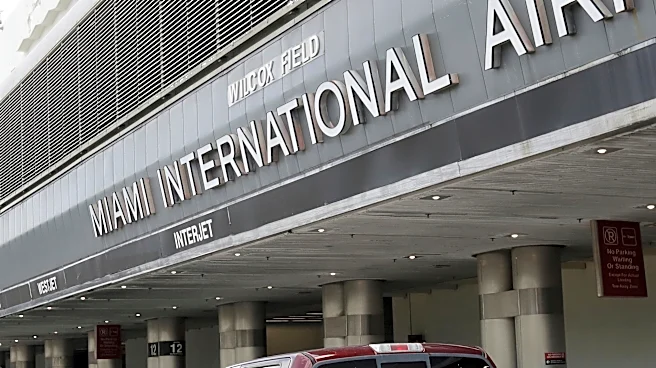
Jenni 'JWoww' Farley, known from 'Jersey Shore,' has publicly criticized United Airlines over its pricing structure for first-class tickets and additional fees for seat assignments. Farley stated that she was quoted $3,300 for two first-class tickets from Newark
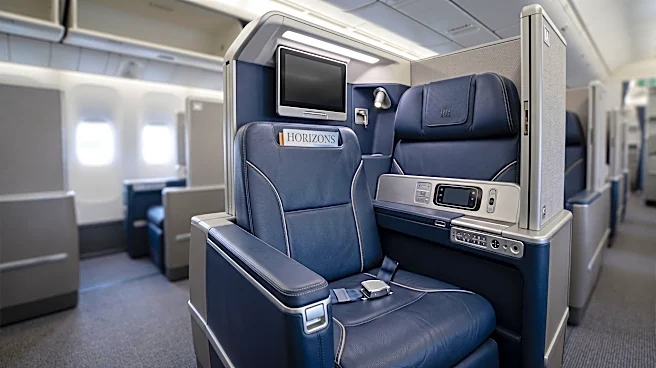
to Miami, with an additional $220 required to select seats next to her husband ($55 per person, each way). She expressed frustration over what she perceives as 'corporate greed,' highlighting that even after paying a premium for first class, passengers are still subjected to extra charges for basic amenities like choosing a seat. Farley also noted the minimal recline of domestic first-class seats, questioning the value offered for the high price. She mentioned that United introduced 'basic first class' this fall, which assigns seats at check-in unless an additional fee is paid, a policy that United's chief commercial officer, Andrew Nocella, indicated most passengers opt to pay for.
Why It's Important?
Jenni Farley's complaint sheds light on a growing concern among consumers regarding airline pricing strategies, particularly the trend of 'unbundling' services and charging extra for amenities previously included in higher-tier tickets. This practice, often termed 'nickel and diming,' can lead to customer dissatisfaction and erode brand loyalty, even among frequent flyers like Farley, who claims to be giving up on United 1K after 15 years. The issue reflects a broader industry shift where airlines are seeking to maximize revenue through ancillary fees, impacting the perceived value of premium travel. For consumers, it means a more complex and potentially more expensive travel experience, as the advertised price may not reflect the total cost for desired services. This trend could influence consumer choices and potentially lead to increased scrutiny from consumer advocacy groups and regulatory bodies.
What's Next?
The public outcry from figures like Jenni Farley could pressure United Airlines and other carriers to re-evaluate their pricing and fee structures, especially for premium services. While airlines aim to maximize revenue, negative publicity and customer backlash can impact their brand image and market share. Consumers may increasingly seek out airlines with more transparent pricing or those that offer better value for their premium services. This situation might also encourage competitors to highlight their more inclusive pricing models as a differentiator. In the long term, if customer dissatisfaction continues to grow, there could be calls for greater regulation or industry standards regarding ancillary fees, particularly for services that many consider fundamental to a comfortable travel experience.
Beyond the Headlines
The debate over airline fees extends beyond mere financial transactions; it touches upon the changing nature of customer service and the perceived social contract between businesses and consumers. Farley's comment about speaking up for 'ordinary Americans' who struggle to afford even coach tickets underscores a broader sentiment that corporations are prioritizing profit over customer experience and affordability. This development reflects a shift in the travel industry where the 'luxury' of first class is being redefined, with basic comforts becoming optional add-ons. It also highlights the power of social media in amplifying consumer grievances and potentially influencing corporate policies, as public figures can quickly bring widespread attention to issues that might otherwise go unnoticed by a larger audience.