







What's Happening?
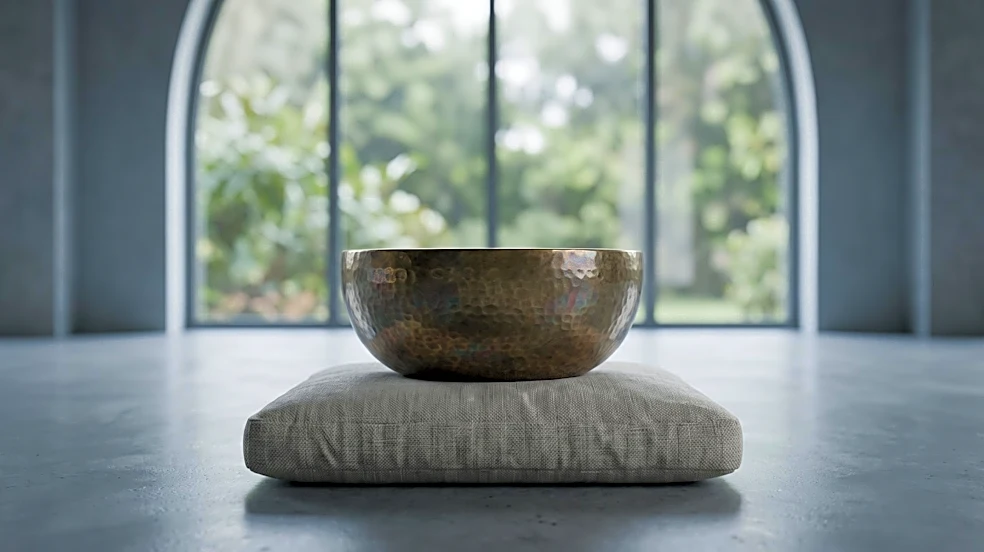
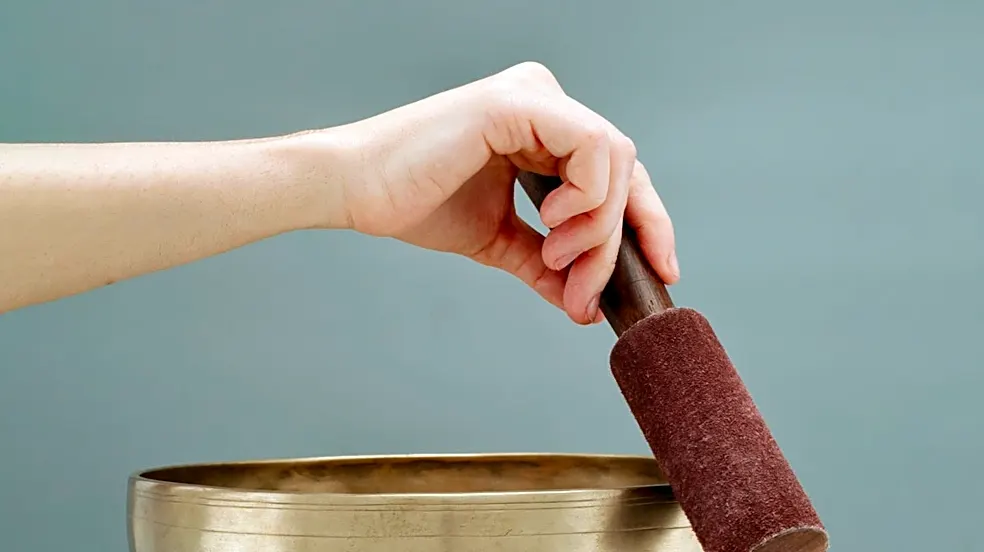
During Mental Health Awareness Week, Northeastern University London hosted a sound bath event for its students at Chapter Spitalfields, the university's accommodation space. A sound bath is described as an immersive experience where participants are exposed
to deep sound vibrations, typically from singing bowls made of metal and glass, to promote relaxation and rejuvenation. Elizabeth Bucar, a professor in Northeastern University’s Department of Philosophy and Religion, noted that sound baths are becoming a popular spiritual wellness practice. While the exact science of how they work on the human body is still in early stages, theories suggest that sound can alter brainwave states, induce relaxation, and stimulate the vagus nerve to enhance well-being by influencing the body's internal rhythm.
Why It's Important?
The inclusion of a sound bath in Northeastern University's Mental Health Awareness Week underscores a growing recognition within educational institutions of the importance of holistic approaches to student well-being. This initiative reflects a broader trend in the U.S. to address mental health challenges through diverse, non-traditional methods. By offering such experiences, universities aim to provide students with tools for stress reduction and self-care, potentially improving academic performance and overall quality of life. The event also highlights the intersection of ancient wellness practices with modern academic environments, prompting discussions about the scientific validation and integration of these practices into mainstream health and wellness programs.
What's Next?
As universities and other organizations continue to prioritize mental health, it is probable that more institutions will explore and incorporate alternative wellness practices like sound baths into their programs. This could lead to increased demand for qualified practitioners and further research into the efficacy and mechanisms of sound healing. The ongoing scientific inquiry, as mentioned by Professor Bucar, will be crucial in establishing the credibility and broader acceptance of these practices. Future developments may include the creation of specialized wellness curricula, partnerships with sound healing experts, and the development of evidence-based guidelines for integrating such therapies into mental health support systems.
Beyond the Headlines
The adoption of sound baths by a university for mental health awareness extends beyond a simple wellness trend; it signifies a cultural shift towards embracing diverse forms of healing and self-care. It challenges the traditional boundaries of mental health support, encouraging an open-minded approach to well-being that incorporates both scientific inquiry and ancient wisdom. Ethically, it raises questions about the responsible promotion of practices whose scientific underpinnings are still emerging, emphasizing the need for transparency and balanced information. Culturally, it reflects a society increasingly seeking mindful and immersive experiences to combat the stresses of modern life, fostering a greater appreciation for sensory and vibrational therapies.