





What's Happening?
The United States Tennis Association (USTA) has significantly evolved its media strategy for the US Open, moving to integrate in-house content creators from approved media outlets and credentialing independent creators. This shift comes as traditional
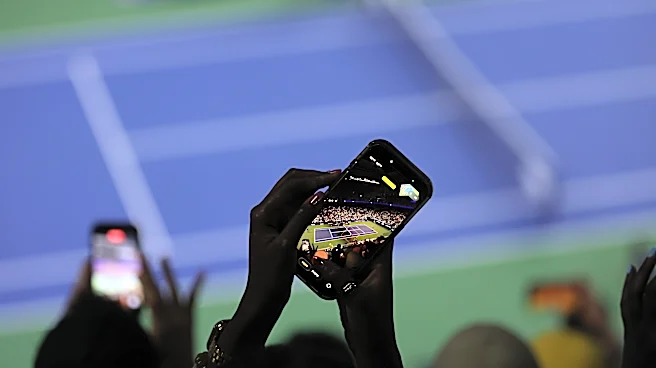
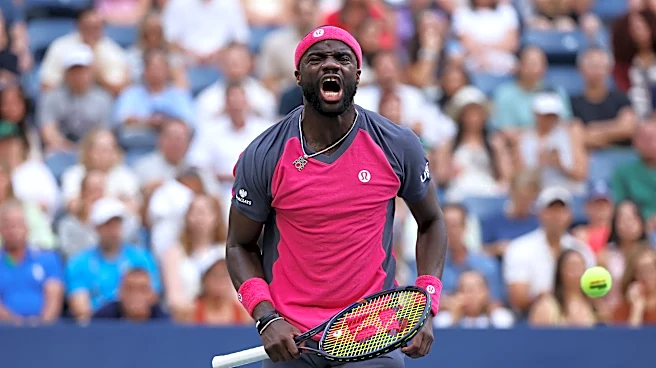
media coverage of the event has decreased, with platforms like usopen.org and usta.com becoming primary sources for self-storytelling. The USTA's approach includes allowing traditional media outlets, such as CNN, to add social media team members to their credentialed lists. Additionally, the organization has increased access for credentialed creators, requiring them to be identified by an outlet and adhere to established rules. This strategy aims to engage audiences, particularly Gen Z fans who value authenticity, by providing diverse perspectives beyond conventional media. The current media center, opened in 1997, is slated for replacement after this year's event, reflecting the changing demands of the media environment.
Why It's Important?
This strategic pivot by the USTA is important for the sports industry in the U.S. as it highlights a broader trend of adapting to a fluid media landscape. By embracing content creators, the USTA is directly addressing the changing consumption habits of younger audiences who seek more authentic and less 'buttoned-up' content. This move can lead to increased engagement and a wider reach for the US Open, potentially attracting new fans to tennis. For media outlets, it signifies a necessity to integrate social media and content creation into their reporting strategies to remain relevant. The credentialing of independent creators also opens new avenues for sports journalism and content production, empowering individuals and niche platforms. However, it also presents challenges in managing crowd control and maintaining event etiquette, as seen with instances of disruptive behavior from some influencers.
What's Next?
The USTA will continue to refine its approach to credentialing content creators, learning from the experiences of this year's US Open. The planned replacement of the current media center indicates a long-term commitment to a more modern and adaptable media infrastructure. Other major U.S. sports leagues and events, such as the Super Bowl, have already begun similar transitions, moving from traditional 'Radio Row' to 'Media Row' to accommodate podcasters and creators. This trend suggests that more sports organizations will likely follow suit, further integrating content creators into their media strategies. The ongoing challenge will be to find a balance between providing access to creators and maintaining the integrity and decorum of live sporting events, potentially leading to the establishment of clearer public guidelines for content creation at venues.
Beyond the Headlines
The USTA's embrace of content creators at the US Open reflects a fundamental shift in how information and entertainment are consumed in the digital age. This move underscores the growing influence of individual creators and social media platforms in shaping public narratives and engaging audiences. It also raises questions about the evolving definition of 'media' and 'journalism,' as the lines between traditional reporting and user-generated content blur. The emphasis on authenticity and diverse perspectives caters to a generation that often distrusts traditional institutions, potentially fostering a more democratic and accessible media environment. However, it also necessitates a re-evaluation of ethical guidelines and professional standards for content creation, ensuring that the pursuit of viral moments does not compromise the integrity of events or the quality of information.