





What's Happening?
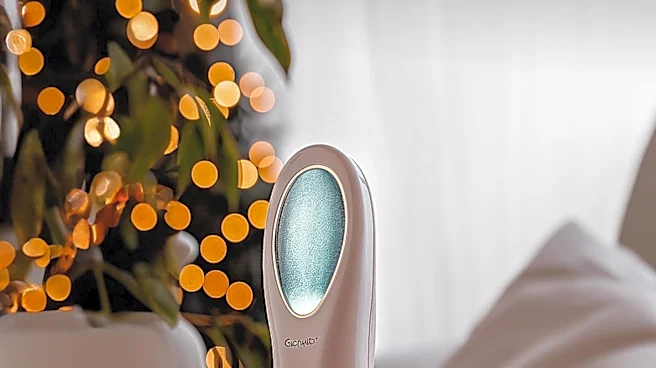
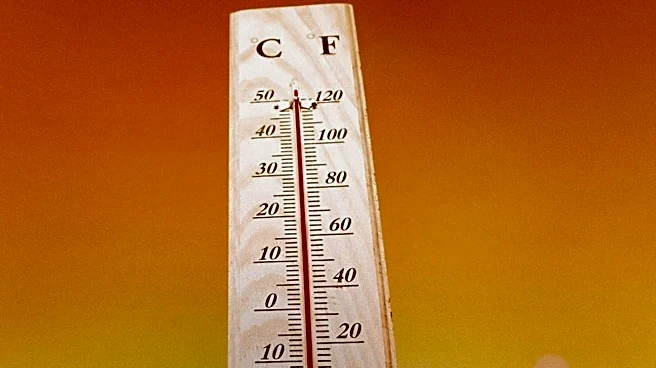
As New York City experiences a heatwave, many residents, including 850,000 without air conditioning, are seeking alternative ways to stay cool. The Embr Wave 2, a wrist-worn device, is gaining attention for its ability to regulate body temperature through
controlled bursts of heat or cold. This device, based on Nobel prize-winning science, is marketed as the 'world's first personal thermostat.' It works by stimulating heat-sensitive nerves on the wrist, sending signals to the brain's temperature-control center. Alongside the Embr Wave 2, other products like Dagsmejan's Stay Cool sleepwear and Coop Cool+ bedding are helping individuals manage heat during sleep. These products are designed to enhance comfort by improving airflow and moisture-wicking capabilities.
Why It's Important?
The increasing frequency of heatwaves poses significant challenges for urban populations, particularly those without access to air conditioning. The development and adoption of personal cooling technologies like the Embr Wave 2 highlight a growing market for innovative solutions to climate-related discomfort. These technologies not only offer immediate relief but also have broader implications for public health, as overheating during sleep is linked to poor rest quality and increased anxiety or depression. As climate change continues to drive temperature extremes, the demand for such adaptive technologies is likely to grow, influencing both consumer behavior and product development in the health and wellness sector.
What's Next?
As temperatures continue to rise, the market for personal cooling devices is expected to expand. Companies may invest in further research and development to enhance the effectiveness and affordability of these products. Additionally, public awareness campaigns could promote the benefits of such technologies, particularly in urban areas prone to heatwaves. Policymakers might also consider incentives for adopting energy-efficient cooling solutions as part of broader climate adaptation strategies.
Beyond the Headlines
The reliance on personal cooling devices raises questions about energy consumption and sustainability. While these gadgets offer immediate relief, their widespread use could contribute to increased energy demand. This underscores the need for balancing technological innovation with environmental considerations. Furthermore, the accessibility of these products remains a concern, as high costs may limit their availability to lower-income populations who are often most vulnerable to heat-related health issues.