






What's Happening?
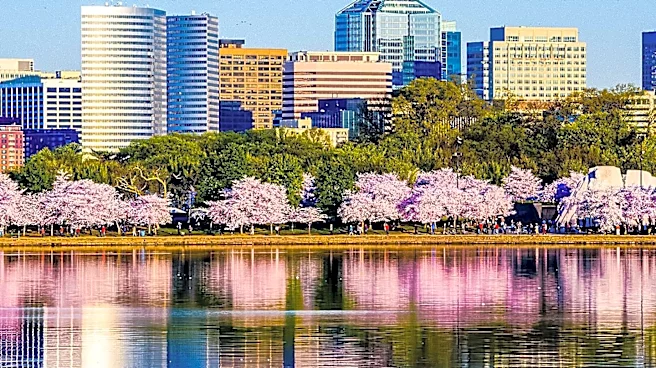
Travel experts are advising that the period from mid-March through late May is the optimal time for spring weekend getaways across the USA. This 'sweet spot' balances mild weather, blooming flowers, and lower airfare compared to peak summer prices. Destinations
like Savannah, Georgia; Palm Springs, California; Santa Fe, New Mexico; Charleston, South Carolina; Texas Hill Country; Moab, Utah; and San Diego, California, are highlighted for their unique spring attractions. Early March is particularly noted as an underrated time, as spring break crowds have not yet arrived, and shoulder-season pricing is still available. The advice emphasizes booking three to five weeks in advance and considering midweek travel to secure better rates and avoid crowds.
Why It's Important?
This guidance is crucial for U.S. travelers seeking to maximize their vacation experience while minimizing costs and avoiding peak season crowds. By strategically planning spring getaways, individuals can enjoy popular destinations with more pleasant weather and fewer tourists, leading to a more relaxed and authentic travel experience. The economic implications are significant for both travelers, who can save on flights and accommodations, and for destinations that benefit from extended tourism seasons outside of traditional summer peaks. This trend also supports local businesses in these areas during shoulder seasons, contributing to more stable economic activity throughout the year. The emphasis on specific regions and booking strategies empowers consumers to make informed travel decisions.
What's Next?
As travelers increasingly seek value and unique experiences, the trend of optimizing spring weekend getaways is likely to continue. Travel platforms and agencies will probably further refine their recommendations, potentially offering curated packages or deals specifically for these shoulder seasons. Destinations themselves may also adapt by promoting spring-specific events or attractions to capitalize on this growing interest. Consumers can expect more detailed guides on specific bloom forecasts for flower-centric trips, and continued advice on booking strategies to secure the best prices. The focus on less crowded, more authentic experiences could also lead to the rise of new, previously 'under-the-radar' destinations as travelers seek alternatives to popular hotspots.
Beyond the Headlines
The shift towards strategic spring travel reflects a broader change in consumer behavior, moving away from rigid vacation schedules towards more flexible, experience-driven trips. This trend is influenced by factors such as remote work flexibility, a desire for more frequent but shorter breaks, and an increased awareness of sustainable travel practices that avoid over-tourism. The emphasis on natural beauty, such as blooming flowers and mild outdoor conditions, also speaks to a growing appreciation for nature and wellness in travel. Furthermore, by encouraging travel during less conventional times, this approach can help distribute tourism's economic benefits more evenly throughout the year, reducing the strain on infrastructure and resources that often accompanies peak season travel in popular U.S. destinations.