





What's Happening?
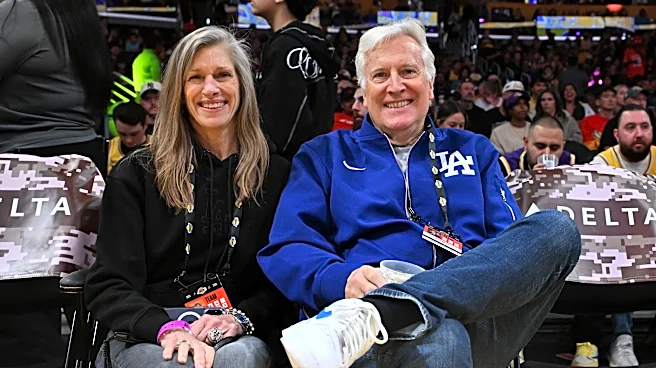
Jeanie Buss, the controlling owner of the Los Angeles Lakers, is opposing the reported sale of the family's remaining 17.8% stake in the NBA franchise to a group led by Joshua Kushner and Bob Iger. This opposition comes after ESPN's Shams Charania reported that
the six Buss siblings had voted to sell their shares. Jeanie Buss's attorney, Adam Streisand, issued a letter accusing siblings Joey and Jesse Buss of leaking false and defamatory information to Charania. Streisand asserts that any sale of the Buss family trust's ownership interest requires Jeanie Buss's approval, which has not been granted. The reported sale is part of a larger transaction where Mark Walter, who acquired the team last October, is selling the franchise to Kushner and Iger for an estimated $12.5 billion. Walter's agreement with Jeanie Buss stipulated that she would remain the Lakers' governor for five years, with an option for him to buy out the family stake afterward. The current dispute highlights a long-standing internal conflict within the Buss family regarding the control and future of the Lakers franchise since the passing of their father, Dr. Jerry Buss, in 2013.
Why It's Important?
This family dispute has significant implications for the ownership and governance of one of the NBA's most iconic franchises, the Los Angeles Lakers. Jeanie Buss's legal challenge could complicate or even halt the sale of the family's remaining stake, potentially impacting the overall transaction involving Joshua Kushner and Bob Iger. The outcome will determine the extent of the Buss family's future involvement in the team, particularly Jeanie Buss's role as controlling owner. A successful challenge by Jeanie Buss would reinforce her authority and uphold her father's wishes for her to lead the franchise. Conversely, if the sale proceeds despite her objections, it could signal a complete divestment of the Buss family from the team, marking the end of an era that began with Dr. Jerry Buss's acquisition in 1979. The situation also underscores the complexities of managing family-owned businesses, especially high-value sports franchises, where personal relationships and financial interests can lead to public disagreements and legal battles.
What's Next?
The immediate next step will likely involve legal proceedings as Jeanie Buss's attorney demands that her siblings publicly clarify her status as the controlling owner and refrain from acting on the reported vote to sell the 17.8% stake. The NBA's board of governors will also need to approve the larger sale of the franchise to Joshua Kushner and Bob Iger, and the ongoing family dispute could influence this approval process. Stakeholders, including the NBA, the Lakers organization, and the potential new owners, will be closely watching the resolution of this internal family conflict. Depending on the legal outcomes, there could be further court orders or negotiations to determine the future of the Buss family's ownership and Jeanie Buss's role. The situation could also lead to increased scrutiny of how family trusts and ownership structures are managed within professional sports leagues.
Beyond the Headlines
This conflict extends beyond a simple business transaction, touching upon themes of legacy, family dynamics, and the power struggles inherent in inheriting a prominent enterprise. Dr. Jerry Buss's vision was for the Lakers to remain a family business for generations, and this dispute directly challenges that legacy. The public nature of the disagreement, with accusations of false leaks and malicious intent, reveals the deep fissures within the Buss family. It highlights the emotional and personal stakes involved when a family's identity is intertwined with a globally recognized brand. The outcome could set a precedent for how family-owned sports franchises navigate succession planning and internal disagreements, particularly when faced with lucrative offers from external investors. It also raises questions about media ethics and the responsibility of reporters when covering sensitive family and business matters based on potentially biased sources.