






What's Happening?
Determining the best television size for a U.S. living room involves a careful balance of viewing distance, room dimensions, and personal habits, according to Decornooks.com. The article highlights that simply purchasing the largest available screen can
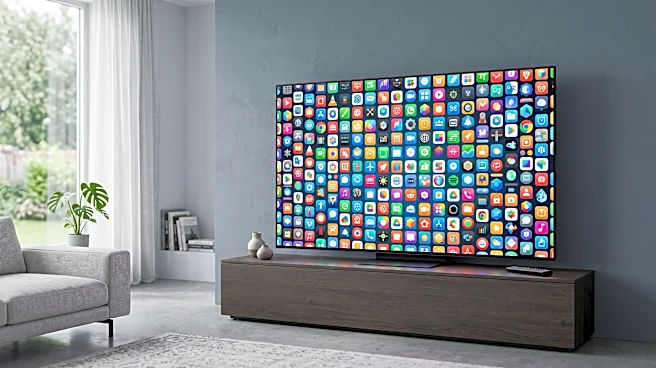
lead to a suboptimal viewing experience, causing visual fatigue if too close or a lack of immersion if too far. Industry experts recommend a 40-degree field of view for a cinematic experience, translating to specific ideal viewing distances for various 4K TV sizes: 55 inches for 5.5 to 7.5 feet, 65 inches for 6.5 to 8.5 feet, 75 inches for 7.5 to 10 feet, and 85 inches for 8.5 to 11.5 feet. For mixed-use spaces, a slightly smaller 30-degree field of view is often preferred. Room layout, such as open-concept or narrow designs, significantly influences screen suitability, with larger TVs often needed to anchor expansive spaces or accommodate distant seating. The resolution of the TV also plays a crucial role, as higher resolutions like 4K allow for closer viewing without pixelation, enabling consumers to opt for larger screens than they might have with older 1080p models.
Why It's Important?
The guidance on optimal TV sizing is important for U.S. consumers and the electronics retail industry, as it directly impacts customer satisfaction and purchasing decisions. For consumers, understanding these factors can prevent buyer's remorse and ensure a comfortable, immersive viewing experience, whether for casual viewing or dedicated home theater setups. Incorrect sizing can lead to visual discomfort, reduced enjoyment of content, and a feeling that the investment was not worthwhile. For retailers, providing clear, data-driven recommendations can enhance their reputation as trusted advisors, potentially leading to more informed sales and fewer returns. The emphasis on 4K resolution also underscores the continued market shift towards higher-definition displays, influencing manufacturing trends and marketing strategies. Furthermore, the discussion of viewing angles and seating arrangements highlights the importance of considering diverse household needs, such as sectional sofas or off-center chairs, which can influence the perceived value and functionality of a television in a multi-person viewing environment. This detailed approach to TV selection helps align consumer expectations with product capabilities, fostering a healthier market for home entertainment systems.
What's Next?
As display technology continues to advance, consumers can expect further refinements in recommendations for optimal TV sizing, particularly with the increasing availability of 8K screens and evolving content formats. While 8K content is currently scarce, its higher pixel density will eventually allow for even closer viewing distances, potentially shifting the 'ideal' size benchmarks. Manufacturers will likely continue to innovate in areas such as anti-glare coatings and screen brightness, making larger screens more viable in various lighting conditions. The integration of 'art mode' alternatives in modern televisions suggests a trend towards making large screens more aesthetically pleasing when not in use, addressing the 'black hole effect' and encouraging consumers to consider larger sizes without compromising interior design. Retailers may adapt by offering more personalized consultation services, perhaps utilizing augmented reality tools to help customers visualize different TV sizes in their specific living spaces. The long-term trend suggests that screen size standards will continue to grow, making today's 'slightly large' purchase a 'just right' investment in the future, thereby influencing product development cycles and consumer upgrade patterns.
Beyond the Headlines
Beyond the immediate considerations of screen size and viewing distance, the discussion touches upon deeper implications for home aesthetics and long-term consumer behavior. The 'black hole effect' of a large, turned-off television highlights a growing tension between technological integration and interior design principles. As TVs become central features in living spaces, their aesthetic impact when idle is increasingly important, prompting innovations like art modes. This reflects a broader cultural shift where technology is expected to blend seamlessly into daily life rather than dominate it. Furthermore, the advice to consider a 'slightly larger' TV for future-proofing speaks to the rapid pace of technological obsolescence and consumer desire for longevity in their investments. This mindset encourages a more forward-thinking approach to purchasing, where consumers anticipate future trends and usage patterns. The emphasis on sound system integration also underscores the holistic nature of the home entertainment experience, suggesting that a truly immersive setup requires attention to both visual and auditory components. This integrated approach can drive demand for complementary products, fostering a more interconnected home technology ecosystem.