




What's Happening?
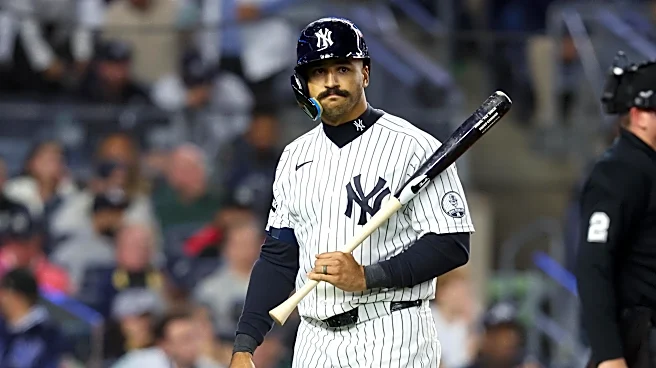
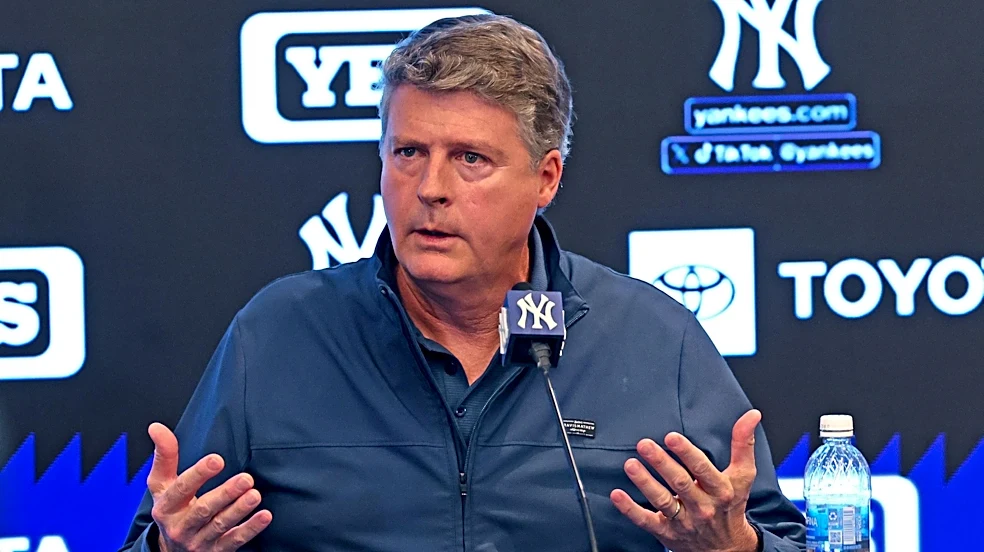
Hal Steinbrenner, chairman and managing general partner of the New York Yankees, has publicly attributed the team's recent poor performance, particularly its offensive struggles, to the players. Following the Yankees' elimination from World Series contention
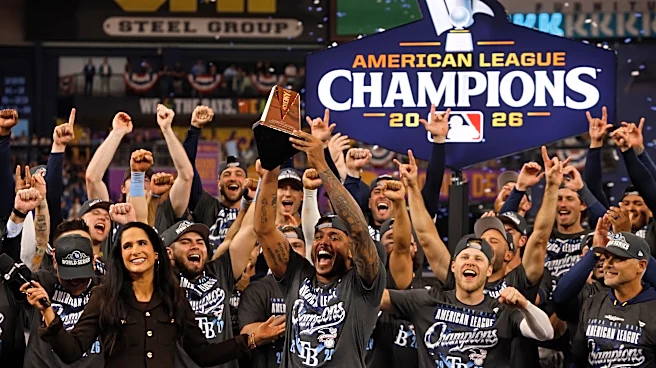
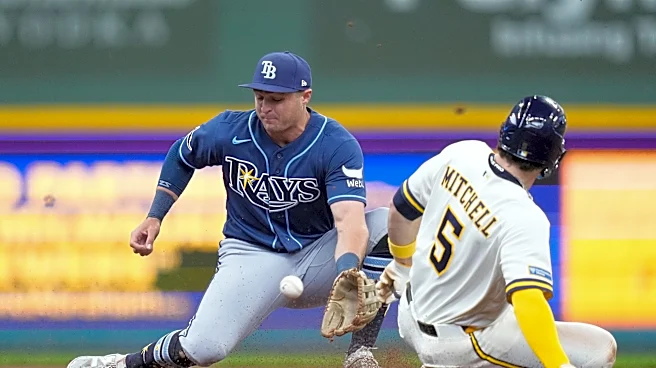
for the second consecutive year, Steinbrenner stated that the majority of the responsibility for the team's inability to score consistently lies with the position players. He explicitly cleared General Manager Brian Cashman and manager Aaron Boone of blame, asserting that the roster constructed by Cashman was not the issue and that Boone should not be held accountable for the season's outcome. This stance comes after the Yankees finished 4.5 games behind the Tampa Bay Rays in the AL East and were swept 3-0 in the American League Division Series.
Why It's Important?
Steinbrenner's public declaration is significant as it shifts accountability directly onto the players, potentially impacting team morale and future player relations. By absolving Cashman and Boone, Steinbrenner signals continued confidence in the team's management, despite a losing playoff record under their tenure since 2018. This approach could be perceived as a lack of self-criticism from ownership, which might hinder necessary systemic changes within the organization. The Yankees' consistent postseason failures, despite significant investment, suggest deeper issues in roster construction, scouting, and player development. This public blame game could also influence how free agents and current players view the organization, potentially affecting future recruitment and retention efforts.
What's Next?
The Yankees will likely face continued scrutiny regarding their organizational structure and player development strategies. With Steinbrenner's clear support for Cashman and Boone, it is improbable that significant changes in management will occur in the immediate future. The focus will remain on the players to improve their performance, particularly the offense, to meet the high expectations of the franchise. The team's commitment to assembling a championship contender, as indicated by Steinbrenner's response to Aaron Judge's challenge, suggests that further roster adjustments and player acquisitions may be pursued. However, without addressing underlying issues in scouting and development, the team risks repeating past failures.
Beyond the Headlines
The incident highlights a broader challenge in professional sports: the allocation of blame following underperformance. While players are ultimately responsible for on-field execution, a complete exoneration of management can overlook systemic issues that contribute to player struggles, such as ineffective coaching, poor roster construction, or inadequate player development programs. This dynamic can create tension within the clubhouse and may lead to a culture where accountability is unevenly distributed. The Yankees' situation underscores the complex interplay between ownership, management, and players in achieving sustained success, and the potential pitfalls of a top-down blame strategy without internal reflection on organizational practices.