

What's Happening?
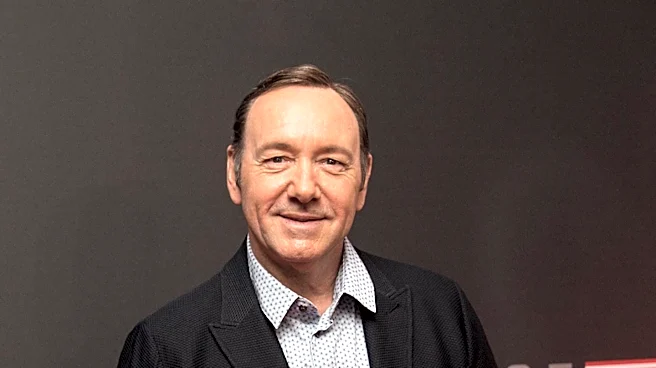
Netflix canceled the biopic 'Gore,' starring Kevin Spacey and directed by Michael Hoffman, which was in post-production when accusations against Spacey emerged. This decision followed Spacey's abrupt departure from the popular Netflix series 'House of Cards.'
Spacey has publicly appealed to Netflix to reconsider their decision, stating that the film is complete and ready for release. He believes the director, screenwriter, and co-star Michael Stuhlbarg, who plays Gore Vidal's lover, deserve recognition, potentially even an Oscar, for their work. Spacey argues that the cast and crew are being unfairly penalized by the film's shelving and hopes Netflix will either release the movie or sell its rights to another studio. The film's cancellation is part of a broader trend where projects are halted due to controversies surrounding key figures, impacting the work of many involved.
Why It's Important?
The situation surrounding the canceled 'Gore' biopic highlights the significant impact of personal controversies on film productions and the careers of numerous individuals involved. When a project is shelved due to the actions of one person, it can lead to substantial financial losses for studios and lost opportunities for actors, directors, writers, and crew members who are not implicated in the controversy. This incident underscores the complex ethical and business dilemmas faced by streaming platforms and production companies in the wake of public scandals. It also raises questions about the balance between accountability for individual actions and the protection of collective artistic endeavors. The potential for a film to be completed but never released represents a loss of creative output and investment, affecting the broader entertainment industry and its workforce.
What's Next?
Kevin Spacey has expressed a desire for Netflix to either release 'Gore' or sell its rights to another studio. The immediate next step would involve Netflix publicly responding to Spacey's appeal or making an internal decision regarding the film's future. Should Netflix decide to sell the rights, another studio would need to acquire and distribute the film, which could face its own challenges given the controversy. If the film remains unreleased, it will continue to be an example of a completed project shelved due to external circumstances. The situation could also prompt further discussions within the entertainment industry about how to handle projects impacted by the personal conduct of their stars, potentially leading to new policies or approaches for managing such risks.
Beyond the Headlines
The cancellation of 'Gore' delves into deeper implications concerning 'cancel culture' and its effects on artistic works. It raises questions about whether the alleged actions of an individual should lead to the complete suppression of a collaborative artistic effort, potentially punishing many innocent parties. The incident also touches upon the legacy of artists and how their personal lives intersect with their professional output. From a legal and ethical standpoint, it highlights the challenges of balancing public perception and moral considerations with contractual obligations and creative freedom. The call for Netflix to sell the rights suggests a potential pathway for salvaging projects caught in similar predicaments, allowing the work to be seen while perhaps distancing the new distributor from the original controversy. This case could set a precedent for how the industry navigates future situations involving high-profile talent facing public scrutiny.