
What's Happening?
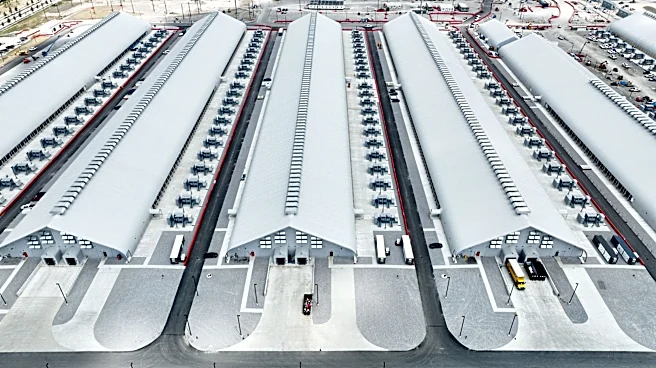
TeraWulf, a U.S.-based company operating Bitcoin mining facilities and broader digital infrastructure, has secured multi-billion dollar, multi-year hyperscale hosting agreements, including one with Google.
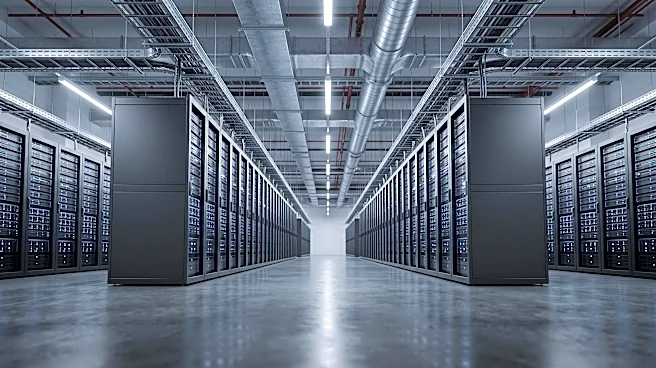
These agreements signify a strategic shift for TeraWulf, moving beyond a pure Bitcoin mining model towards diversified, contracted revenue streams within the high-demand digital infrastructure sector. This transition is expected to enhance revenue visibility and provide a degree of insulation for earnings from the inherent volatility of Bitcoin prices. While TeraWulf currently generates approximately US$95 million from digital asset mining out of a total segment revenue of roughly US$165 million, its market value is near US$7.4 billion. The company's roots are in Bitcoin mining, but it is now expanding into a fast-growing hosting and data center buildout, blurring the lines between pure crypto exposure and broader compute services. This diversification is a key focus for investors monitoring crypto infrastructure themes.
Why It's Important?
This development is highly significant for the U.S. business landscape, particularly within the cryptocurrency and technology sectors. TeraWulf's move to secure large-scale hosting agreements with major tech players like Google indicates a maturation of the Bitcoin mining industry, where companies are seeking more stable and predictable revenue sources. This diversification strategy mitigates the risks associated with the volatile nature of cryptocurrency prices, offering a more resilient business model. For the broader digital infrastructure market, it signifies an increased demand for high-performance computing and data center services, potentially driven by the rapid expansion of artificial intelligence and other data-intensive technologies. Companies like TeraWulf, with existing infrastructure and energy contracts, are uniquely positioned to capitalize on this demand. This shift could attract a wider range of institutional investors who may have previously been hesitant due to crypto market volatility, thereby increasing capital flow into companies that bridge traditional tech and digital assets.
What's Next?
TeraWulf is expected to continue expanding its hosting and data center operations, further integrating its Bitcoin mining infrastructure with broader digital compute services. The company will likely focus on fulfilling its multi-billion dollar contracts and exploring additional hyperscale hosting opportunities. Investors will be monitoring the impact of these diversified revenue streams on TeraWulf's financial performance, particularly how they stabilize earnings amidst Bitcoin price fluctuations. The success of this pivot could encourage other Bitcoin mining companies to adopt similar strategies, leading to a broader trend of diversification within the crypto mining industry. Furthermore, the increased involvement of major tech companies like Google in securing hosting agreements from former pure-play crypto miners suggests a growing interdependence between these sectors, potentially leading to more collaborative ventures and technological advancements in digital infrastructure.
Beyond the Headlines
TeraWulf's strategic evolution highlights a fundamental shift in how digital asset companies perceive and leverage their core infrastructure. It underscores the increasing value of physical assets like data centers and long-term energy contracts in the digital economy, moving beyond the purely speculative nature often associated with cryptocurrencies. This trend could lead to a re-evaluation of the 'picks and shovels' approach in the digital gold rush, where the underlying infrastructure providers become as, if not more, valuable than the digital assets themselves. Ethically, this diversification could also lead to more sustainable practices within the crypto mining industry, as companies seek to optimize energy usage for a broader range of high-value computing tasks, potentially addressing some environmental concerns associated with Bitcoin mining. The integration with AI and other advanced computing needs also positions these companies at the forefront of technological innovation, contributing to the U.S.'s leadership in these critical areas.