






What's Happening?
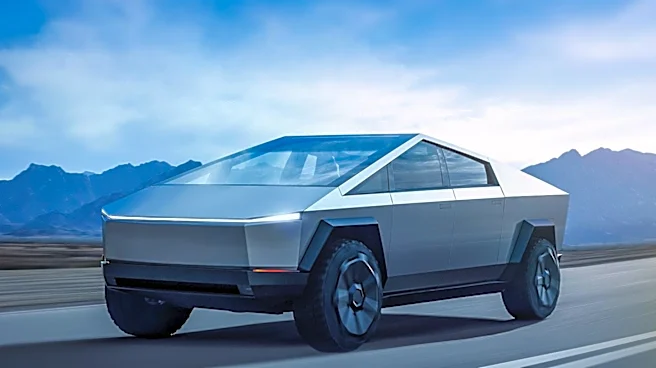
Tesla has implemented a policy in Canada refusing to accept Cybertrucks as trade-ins and declining to offer extended warranties for the vehicle. This policy is causing significant frustration among current Cybertruck owners. Jay, a Cybertruck owner from
Montreal, reported his experience after attempting to trade in his vehicle, which had accumulated approximately 72,000 km (45,000 miles) and was nearing the end of its 80,000 km warranty. He sought to purchase an extended warranty or trade in his current Cybertruck for a new one, but both requests were denied by Tesla. Another owner, Jamie McWhirter, shared a similar experience, noting he has spent nearly 10,000 CAD on repairs for his out-of-warranty Cybertruck. This stance is particularly puzzling as Tesla's official trade-in page in Canada states that the company accepts various types of vehicles, including internal combustion engine (ICE) vehicles and electric vehicles (EVs), for trade-in towards new or pre-owned Tesla purchases.
Why It's Important?
This policy has several implications for Tesla and its customers in Canada. For owners, the inability to trade in their Cybertrucks or secure extended warranties creates uncertainty regarding the long-term value and maintenance costs of their vehicles. This could lead to decreased customer satisfaction and potentially impact future sales of the Cybertruck in the Canadian market. From Tesla's perspective, refusing trade-ins for its own relatively new model, especially when it accepts other brands, raises questions about the company's confidence in the Cybertruck's reliability or its strategy for managing its vehicle lifecycle. The situation is further complicated by recent tariffs that have increased the price of Cybertrucks in Canada by approximately 30,000 CAD, making the prospect of purchasing a new one without a trade-in even more financially burdensome for existing owners. This could also affect the resale market for Cybertrucks, as owners may find it difficult to offload their vehicles through official channels.
What's Next?
The ongoing frustration among Canadian Cybertruck owners may lead to increased public pressure on Tesla to clarify or revise its trade-in and warranty policies for the vehicle. Owners like Jay and Jamie McWhirter are sharing their experiences, which could influence potential buyers' decisions. It remains to be seen if Tesla will address these concerns by offering specific trade-in programs or extended warranty options for the Cybertruck in Canada. The company's current policy, which seems to contradict its general trade-in guidelines, might prompt a re-evaluation, especially if it begins to negatively impact brand perception and sales in a key market. The discussion around tariffs and their impact on EV pricing in Canada could also continue to evolve, potentially influencing future import and sales strategies for electric vehicles.
Beyond the Headlines
The situation highlights a broader challenge for automotive manufacturers, particularly in the rapidly evolving EV market, regarding customer support and vehicle lifecycle management. The refusal to offer extended warranties or trade-ins for a relatively new and high-profile vehicle like the Cybertruck could signal underlying concerns about its long-term reliability or the cost of repairs. This could also reflect a strategic decision by Tesla to manage its inventory and sales channels in a specific way, potentially prioritizing new sales over facilitating upgrades for existing owners of certain models. The discrepancy between Tesla's stated trade-in policy and its practice with the Cybertruck in Canada raises questions about transparency and consistent customer service across its product lines and regions. This could set a precedent for how other EV manufacturers handle trade-ins and warranties for their newer, more experimental models.