






What's Happening?
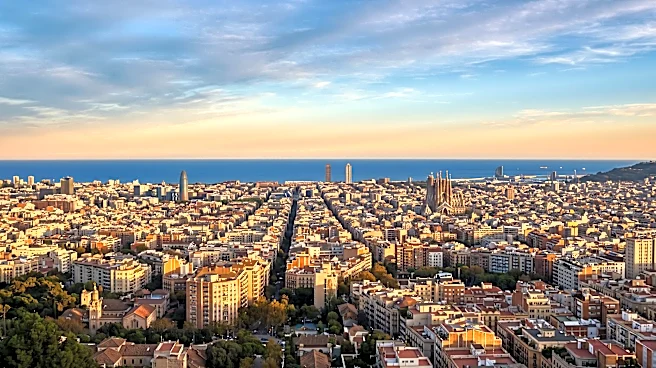
Barcelona, Spain, is increasingly recognized as a top destination for digital nomads, attracting a diverse group of professionals including entrepreneurs, developers, designers, and creatives from around the globe. The city's appeal stems from its robust
innovation and startup ecosystem, which provides ample professional opportunities. Coupled with this, Barcelona offers a high quality of life, characterized by its Mediterranean beaches, rich historical architecture, vibrant culinary scene, and extensive cultural attractions. The city's international airport, comprehensive network of coworking spaces, and multicultural neighborhoods facilitate easy relocation and integration for foreign remote workers. This blend of professional growth potential, modern infrastructure, and an attractive lifestyle positions Barcelona as a preferred hub for the growing digital nomad community.
Why It's Important?
The rise of Barcelona as a digital nomad hub signifies a broader trend in the global workforce towards remote work and location independence. For the U.S., this trend impacts how American professionals view international work opportunities and how U.S. companies might adapt to a more distributed workforce. The availability of attractive international destinations like Barcelona could draw American talent abroad, potentially influencing domestic labor markets and talent retention strategies. Furthermore, the infrastructure and lifestyle factors that make Barcelona appealing to digital nomads—such as robust internet, coworking spaces, and cultural amenities—set a benchmark for other cities globally, including those in the U.S., looking to attract similar talent. This shift also highlights the economic benefits that cities can gain from a transient, skilled workforce, including increased spending in local businesses and a boost to the service sector.
What's Next?
As Barcelona continues to solidify its position as a digital nomad hotspot, it is likely to further invest in infrastructure and services catering to this demographic. This could include expanding coworking facilities, developing more flexible housing options, and enhancing digital services for remote workers. Other global cities, observing Barcelona's success, may implement similar strategies to attract digital nomads, fostering increased competition for this mobile workforce. For U.S. professionals, this means more diverse options for international remote work, potentially leading to a greater outflow of talent seeking new experiences and lower costs of living. Businesses, particularly those in tech and creative industries, might explore establishing remote-first policies or international hubs to tap into this global talent pool, adapting to the evolving landscape of work.
Beyond the Headlines
The phenomenon of digital nomadism in cities like Barcelona extends beyond mere economic impact; it touches upon significant cultural and social dynamics. The influx of international remote workers can lead to a more diverse and cosmopolitan urban environment, fostering cross-cultural exchange and innovation. However, it also presents challenges, such as potential strains on local resources, increased cost of living for residents, and the need for cities to balance the benefits of tourism and transient populations with the needs of their permanent inhabitants. The incident involving the 'estelada' flag at Camp Nou, while seemingly unrelated, underscores the importance of understanding local cultural sensitivities and political contexts for digital nomads. This highlights a deeper implication: successful integration into a new city requires not just professional opportunity and lifestyle appeal, but also a respectful engagement with local customs and societal norms.