






What's Happening?
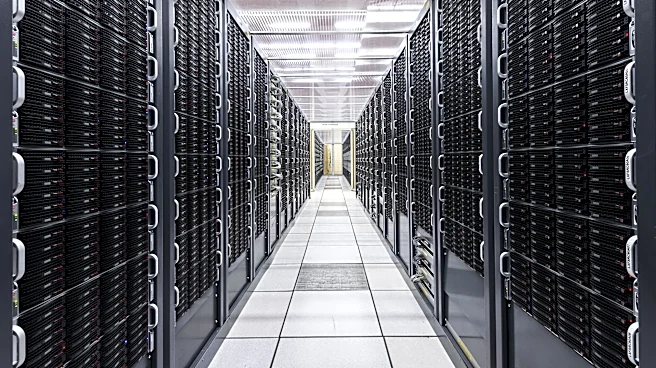
Pomerleau, a general contractor specializing in data center construction in Canada, is actively involved in addressing the increasing demand for secure, reliable, and high-performance data centers. This surge is driven by the rapid growth of artificial
intelligence, cloud computing, and data sovereignty requirements. The company emphasizes its expertise in managing the complexity of these infrastructures from the earliest stages of a project. Pomerleau's approach focuses on accelerating project preparation, securing critical decisions, and mitigating risks associated with costs, schedules, and long-lead equipment. They deploy a specialized team across the country, supported by a dedicated center of excellence and electromechanical expertise, to deliver critical and high-performance infrastructure. The company also integrates advanced solutions, such as liquid cooling, to meet the needs of more powerful and scalable infrastructure, particularly with the rise of AI and increased IT load density. Furthermore, Pomerleau coordinates the integration of physical security, access control, surveillance, and building management systems with client teams and specialized partners from construction through commissioning.
Why It's Important?
The escalating demand for data centers, fueled by AI and cloud computing, represents a significant trend with broad implications for the U.S. and global digital infrastructure. As data centers become more complex and critical, the expertise in their construction and management, as offered by companies like Pomerleau, becomes vital. This trend impacts various sectors, including technology, business, and even national security, as reliable data infrastructure is essential for economic growth, innovation, and data protection. The integration of advanced cooling solutions like liquid cooling highlights the evolving technological requirements to support increasingly powerful computing needs, which can influence energy consumption and environmental considerations. For businesses, efficient and secure data centers are crucial for operational continuity and competitive advantage. The focus on risk reduction in costs and schedules also underscores the economic pressures and the need for efficient project delivery in this high-demand sector.
What's Next?
The continued expansion of AI and cloud computing will likely drive further investment and innovation in data center construction. Companies like Pomerleau will need to continuously adapt their strategies and technologies to meet evolving demands, including more sustainable and energy-efficient solutions. The emphasis on early involvement and risk mitigation suggests a trend towards more integrated project delivery models in the construction industry. Future developments may include increased automation in data center operations, further advancements in cooling technologies, and a greater focus on the environmental impact of these facilities. Regulatory bodies may also introduce new standards for data center construction and operation, particularly concerning energy efficiency and data security. The demand for specialized expertise in this field is expected to grow, leading to potential workforce development initiatives and increased competition among construction firms.
Beyond the Headlines
The rapid proliferation of data centers raises deeper questions about the societal and environmental footprint of the digital age. While essential for technological progress, these facilities are significant consumers of energy and water, prompting concerns about their environmental sustainability. The need for 'data sovereignty' also points to growing national interests in controlling and securing data within their borders, potentially influencing international data flow policies and the location of future data centers. The complexity of these infrastructures, requiring specialized expertise, highlights a growing skills gap in the construction and technology sectors. Furthermore, the concentration of data centers in certain regions could lead to localized impacts on resources and infrastructure, necessitating careful urban planning and resource management. The ethical implications of AI and the vast amounts of data processed by these centers also warrant ongoing discussion regarding privacy, security, and responsible technological development.