




What's Happening?
The car has become the primary location for over-the-air radio listening, accounting for 53% to 68% of all AM/FM listening, according to Nielsen and Edison Research. Despite this, in-vehicle listening represents only a fraction of total potential listening time,
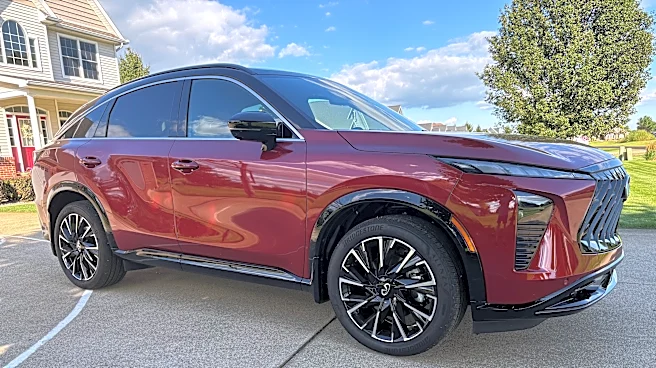
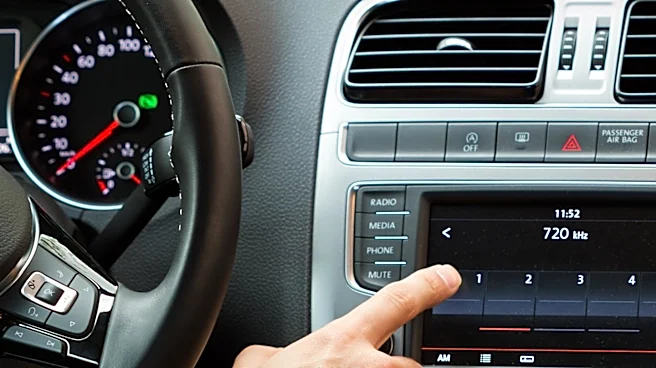
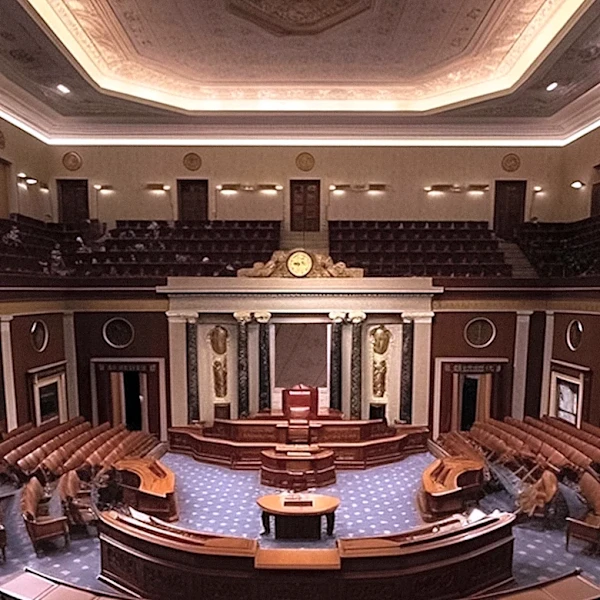
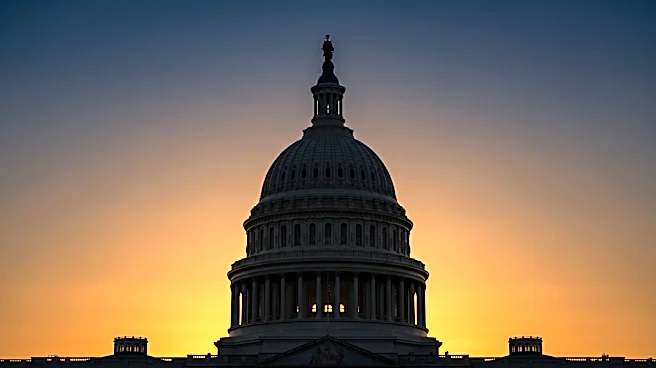
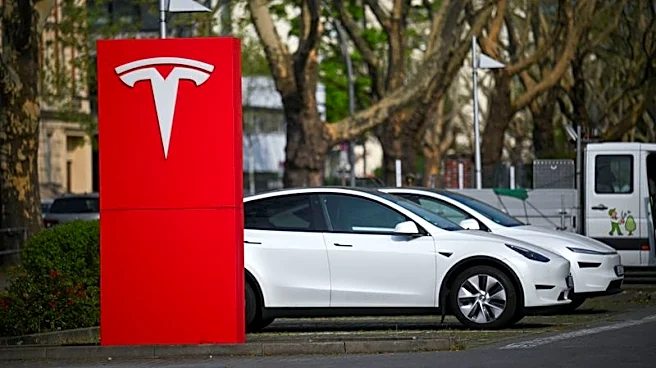
as the average American spends about 48 to 51 minutes daily behind the wheel. While 87% to 88% of all radio listening still occurs over the air, a growing number of automakers, including Tesla, Polestar, Rivian, Volvo, BMW, Volkswagen, and Mazda, are omitting AM radio receivers from their new electric and hybrid models. This trend has led the U.S. House of Representatives to pass a bill mandating the inclusion of AM radios in new cars sold in the U.S., a move supported by the National Association of Broadcasters.
Why It's Important?
The debate over mandated AM radio in new vehicles highlights a clash between the broadcast industry's desire to preserve a traditional medium and automakers' technological advancements and cost concerns. Broadcasters argue that AM radio is crucial for emergency broadcasts, local news, weather, traffic, and serves specific communities such as conservative talk radio, religious stations, foreign language broadcasters, agricultural services, and travel information. Automakers, however, cite issues like signal interference from electric vehicles, the cost of mitigation, and the existence of alternative emergency communication systems like the Integrated Public Alert and Warning System (IPAWS). The outcome of this legislative effort could significantly impact the future of AM radio, potentially affecting its reach and the services it provides to various U.S. communities.
What's Next?
The U.S. House of Representatives has passed a bill to mandate AM radio inclusion in new cars, but automakers are strongly opposing this mandate. The Alliance for Automotive Innovation (AAI) has voiced concerns, suggesting that existing IPAWS technology already leverages all available communication means for emergencies. The broadcast industry, through initiatives with companies like Xperi, Gracenotes, IM Media Labs, and Aktira (formerly GeoBroadcast Solutions), is working to enhance the in-vehicle broadcast experience with features like HD Radio, location-enhanced advertising, and visual content. These efforts aim to make radio more engaging and relevant in cars, potentially offering a technological solution that could mitigate the need for a legislative mandate. The future will likely see continued lobbying efforts from both sides and further technological developments in in-car entertainment and communication systems.
Beyond the Headlines
The struggle to preserve AM radio in new vehicles reflects a broader societal shift in media consumption and the challenges traditional media face in adapting to technological change. The decline of in-home radio listening, largely replaced by smart speakers and smartphones, underscores the importance of the car as a remaining stronghold for radio. The debate also touches upon the role of government intervention in technology and industry standards, particularly when public safety and cultural preservation are invoked. The potential loss of AM radio could disproportionately affect rural communities, specific cultural groups, and those reliant on its unique local content, raising questions about equitable access to information and entertainment in a rapidly evolving digital landscape. This situation highlights the tension between innovation and the preservation of established communication channels.