


What's Happening?
Skin cycling, a nighttime skincare routine popularized by New York dermatologist Dr. Whitney Bowe, is gaining traction for its minimalist approach to skin health. This method involves alternating between nights of active treatments and recovery nights,
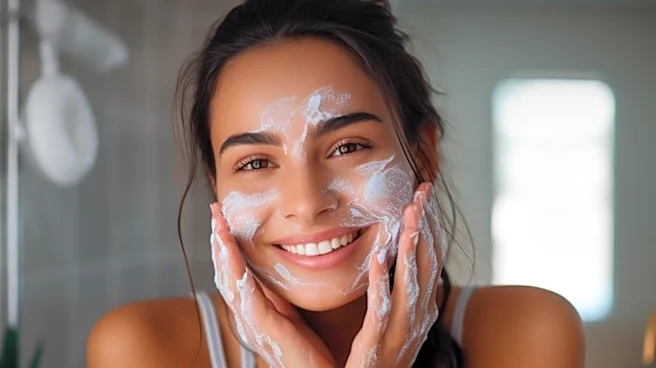
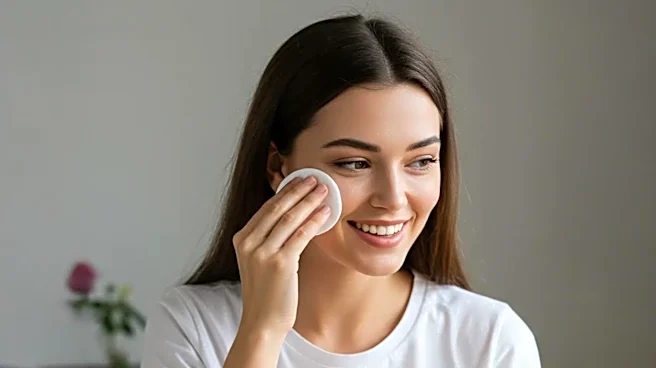
typically following a four-night cycle. The routine begins with exfoliation on Night 1, using chemical exfoliants like AHAs or BHAs to remove dead skin cells. Night 2 focuses on retinoids, such as retinol or prescription-strength retinoids, to promote cellular turnover and collagen production. Nights 3 and 4 are dedicated to recovery, emphasizing hydration and barrier support with gentle cleansers, nourishing serums, and rich moisturizers. This strategic rotation aims to maximize the benefits of potent ingredients while allowing the skin to heal and prevent irritation often associated with overuse of active products. The approach prioritizes the health of the moisture barrier over layering numerous potent actives nightly, which can lead to redness, flaking, and sensitivity.
Why It's Important?
This trend is significant as it shifts the skincare industry's focus from a 'more is more' philosophy to a more balanced and sustainable approach. By emphasizing skin recovery and barrier health, skin cycling offers a way for individuals, particularly those with sensitive skin, to incorporate high-potpotency ingredients without adverse effects. The method's adaptability allows users to tailor the cycle to their specific skin concerns, potentially leading to better long-term results and reduced product waste. For consumers, it means a more informed and less irritating way to achieve desired skin improvements. For the beauty industry, it highlights a growing demand for evidence-based, gentle, and effective skincare routines, potentially influencing product development towards formulations that support skin barrier function and ingredient rotation.
What's Next?
As skin cycling continues to gain popularity, consumers can expect to see more skincare brands developing products specifically designed to fit into this routine, focusing on gentle yet effective exfoliants, retinoids, and barrier-supporting moisturizers. Dermatologists and skincare professionals will likely continue to advocate for personalized approaches, encouraging individuals to listen to their skin and adjust the cycle as needed. There may also be further research into the long-term efficacy of skin cycling compared to other skincare regimens, particularly concerning its benefits for various skin types and conditions. The emphasis on skin health and recovery could also lead to a broader industry shift towards less aggressive and more holistic skincare practices.
Beyond the Headlines
The rise of skin cycling reflects a deeper cultural shift towards mindful consumption and a greater understanding of bodily processes. In an era saturated with complex and often overwhelming skincare options, this minimalist approach offers a sense of control and simplicity. It underscores the importance of respecting the skin's natural repair mechanisms rather than constantly pushing it with aggressive treatments. This philosophy could extend beyond skincare, influencing other wellness and beauty sectors to adopt more balanced and sustainable practices. Ethically, it promotes a healthier relationship with beauty, moving away from the pressure to achieve instant, often unsustainable, results and towards a more patient and nurturing approach to self-care.