





What's Happening?
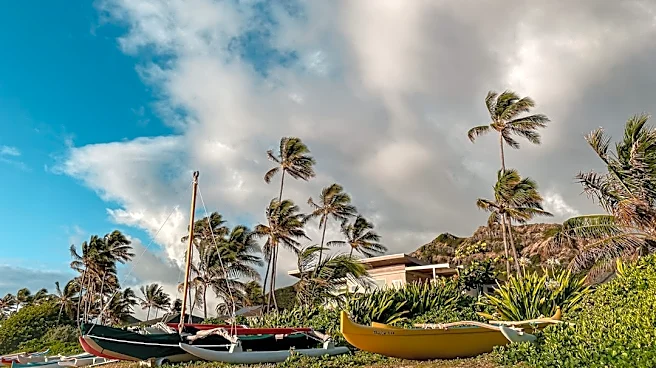
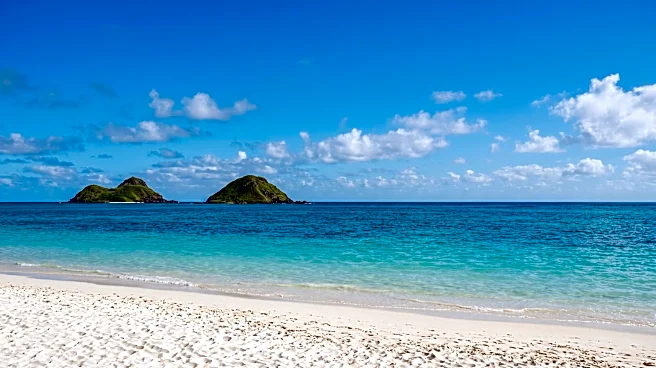
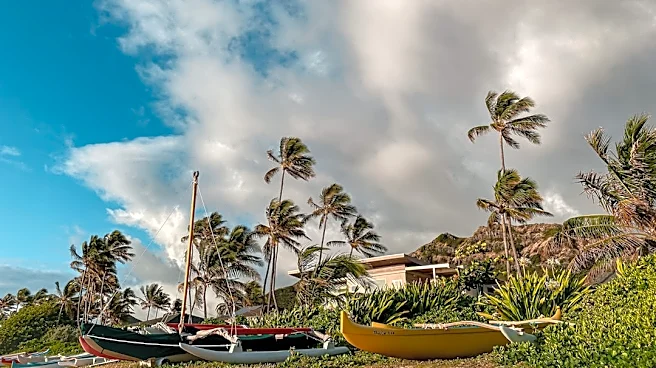
Kailua, located on Oahu's windward coast, is highlighted as a desirable retirement destination in Hawaii, blending scenic beauty with modern comforts. The town is known for its white-sanded Kailua Beach Park and Lanikai Beach, as well as Kawainui Marsh,
the state's largest wetland, offering accessible walking paths. Kailua also provides high-quality healthcare facilities, including Adventist Health Castle, which offers wellness programs tailored for seniors. However, it is noted as one of Oahu's more expensive windward markets, with high rents on the island. The Kailua Town Center serves as a vibrant hub, featuring health-conscious eateries and weekly farmers markets that provide fresh food options. Despite the high cost of living, Kailua is presented as an excellent option for retirees seeking peace, convenience, and a strong community.
Why It's Important?
The appeal of Kailua for retirees, despite its high cost of living, underscores the premium placed on quality of life, natural beauty, and access to amenities for the senior population. This trend reflects a broader demographic shift where retirees, particularly those with sufficient financial resources, prioritize lifestyle factors over pure affordability. The presence of high-quality healthcare facilities and wellness programs is a significant draw, addressing a critical need for an aging population. The vibrant community life, access to fresh food, and recreational opportunities contribute to a holistic retirement experience. This focus on lifestyle can influence local economies, driving demand for specific services and housing types, and potentially exacerbating affordability challenges for other segments of the population. Understanding these preferences is crucial for urban planners and service providers in areas attracting retirees.
What's Next?
Given Kailua's appeal to retirees, the demand for senior-focused services, healthcare, and housing options is likely to continue growing. Local businesses and healthcare providers may further tailor their offerings to cater to this demographic. The high cost of living, particularly rents, will likely remain a significant factor, potentially leading to ongoing discussions about housing affordability and development strategies. The community's efforts to maintain its scenic beauty and vibrant town center will be crucial in sustaining its attractiveness. Future developments might include more specialized retirement communities or services designed to support the unique needs and preferences of its senior residents, while also addressing the broader economic implications of a high-cost market.
Beyond the Headlines
The narrative of Kailua as a desirable, albeit expensive, retirement spot highlights a growing challenge in many sought-after U.S. locations: how to balance economic development and quality of life with affordability and accessibility for all residents. The influx of affluent retirees can drive up property values and living costs, potentially displacing long-term residents or making it difficult for younger generations and service workers to reside in the community. This raises ethical questions about equitable access to desirable living environments and the social impact of exclusive markets. Furthermore, the emphasis on natural beauty and outdoor activities in Kailua reflects a broader cultural value placed on wellness and an active lifestyle in retirement, influencing urban design and public space development in similar communities across the nation.