




What's Happening?
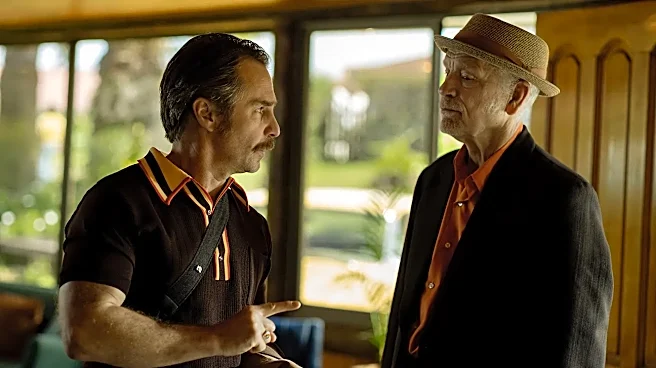
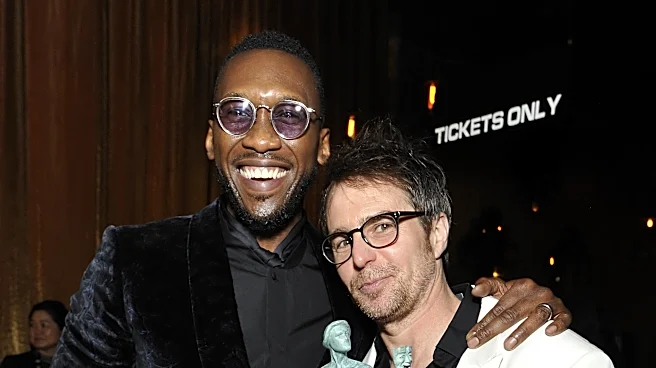
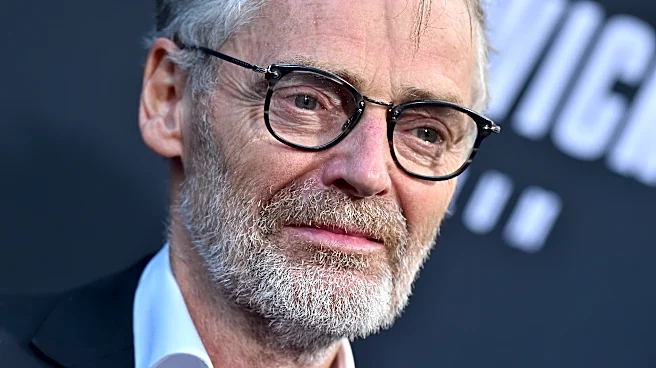
Sam Rockwell is starring as CIA agent Lee in Martin McDonagh's new film, 'Wild Horse Nine,' which premiered after a successful run at the Venice Film Festival. The movie, set in 1973 Chile, follows two veteran CIA agents, Chris (John Malkovich) and Lee (Sam
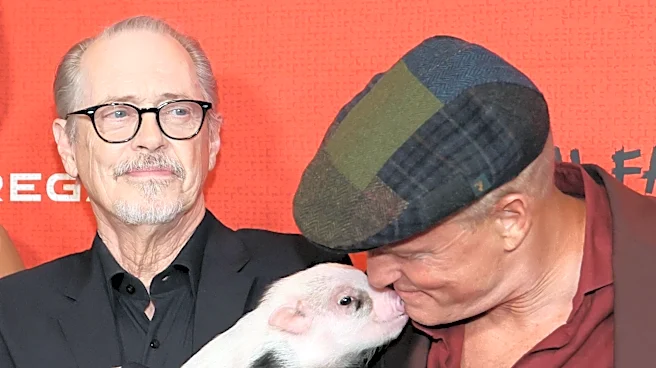
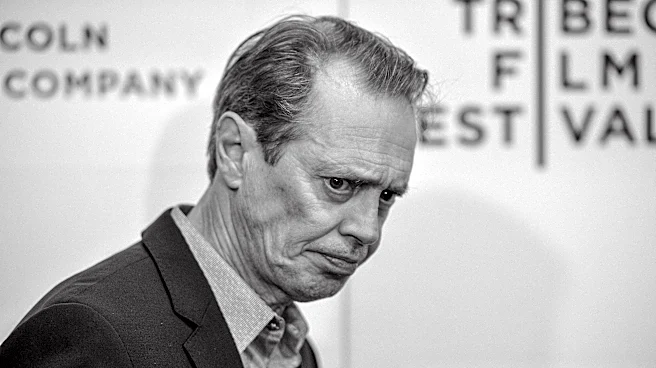
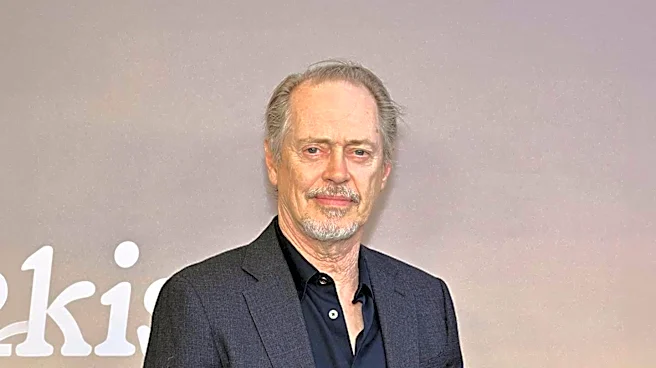
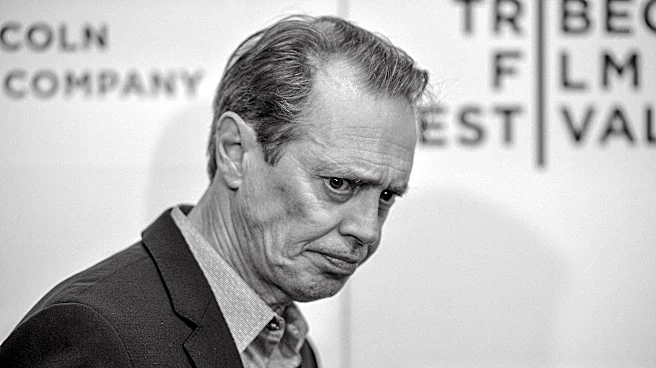
Rockwell), who are sent to Easter Island on a mysterious assignment just before the coup d'état that overthrew Salvador Allende. Rockwell's character, Lee, is described as a younger, up-and-coming agent who looks up to the older, more experienced Chris. The film explores themes of guilt, morality, and the complex friendship between the two agents, who are managed by their exasperated CIA boss MJ, played by Steve Buscemi. McDonagh, known for his darkly comedic and character-driven films, reunites with Rockwell, who previously worked with him on 'Seven Psychopaths' and 'Three Billboards Outside Ebbing, Missouri.' The remote setting of Easter Island, with its iconic Moai statues and wild horses, plays a significant role in the narrative, serving as a backdrop for the agents to confront their past actions and personal demons.
Why It's Important?
The release of 'Wild Horse Nine' is significant for several reasons, particularly given the involvement of acclaimed director Martin McDonagh and a strong ensemble cast including Sam Rockwell and John Malkovich. McDonagh's films often garner critical acclaim and awards attention, making this a notable entry in the cinematic landscape. The film's exploration of American intervention in 1970s Chilean politics offers a historical lens on foreign policy and its human consequences, potentially sparking discussions about past geopolitical actions. For Sam Rockwell, this role further solidifies his reputation as a versatile actor capable of handling complex characters within a darkly comedic framework. The film's themes of morality, guilt, and friendship, set against a backdrop of political intrigue, resonate with contemporary audiences interested in character-driven narratives that delve into the complexities of human nature and historical events. The film's unique setting on Easter Island also brings a visually distinct element, potentially drawing attention to the remote location and its cultural significance.
What's Next?
Following its theatrical release, 'Wild Horse Nine' is expected to be a strong contender in the upcoming awards season, given Martin McDonagh's track record and the critical reception from the Venice Film Festival. The performances by Sam Rockwell and John Malkovich are likely to be highlighted for their depth and chemistry, potentially leading to individual award nominations. The film's themes and historical context may also generate further discussion and analysis in film criticism and academic circles, particularly regarding its portrayal of CIA operations in Latin America. Audiences who appreciate McDonagh's distinctive style of dark humor and intricate character development will likely seek out the film, contributing to its box office performance. The film's unique setting on Easter Island could also inspire increased interest in the remote location, potentially influencing tourism or cultural awareness.
Beyond the Headlines
Beyond its immediate cinematic impact, 'Wild Horse Nine' delves into deeper implications concerning the ethical dimensions of foreign policy and the long-term psychological toll on individuals involved in covert operations. The film's setting in 1973 Chile, a period marked by significant U.S. intervention, implicitly raises questions about accountability and the historical legacy of such actions. The characters' grappling with guilt and conscience, particularly Chris's deteriorating memory and Lee's evolving moral compass, can be seen as a metaphor for a nation confronting its past. The film's dark humor serves not just as entertainment but as a tool to explore uncomfortable truths about power, loyalty, and the human capacity for both profound friendship and morally ambiguous acts. This narrative approach encourages viewers to consider the less obvious consequences of political decisions on individual lives and the broader societal fabric, prompting reflection on historical narratives and their contemporary relevance.