







What's Happening?
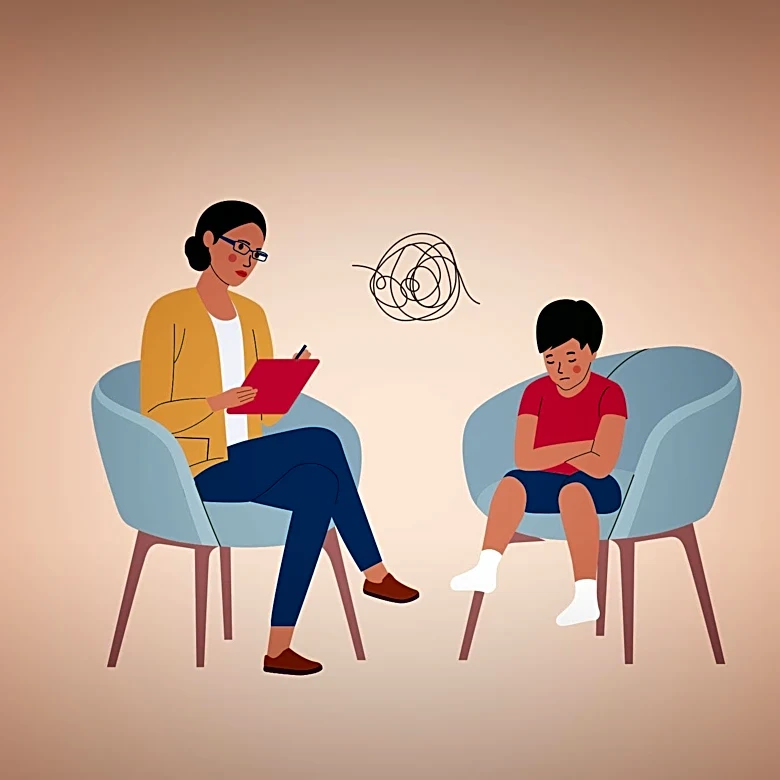
A recent HuffPost article delves into the concept of grieving a life that never materialized, often mistaken for burnout. The piece highlights that many individuals, particularly women, experience a profound sense of loss for imagined futures, such as
career paths, family structures, or personal milestones, that did not come to fruition. Therapists Joy Berkheimer and Erin Barbossa explain that while burnout stems from prolonged demands exceeding capacity, this type of grief arises from losing something meaningful, even if intangible. Berkheimer notes that these losses are often invisible, as 'nothing tangible died, yet an entire imagined future did.' The article emphasizes that recognizing and naming this grief is a crucial step toward healing, shifting the focus from self-criticism to understanding and compassion.
Why It's Important?
This exploration of 'invisible grief' is important for U.S. society as it sheds light on a widespread but often unacknowledged emotional experience. By distinguishing this form of grief from burnout, the article helps individuals accurately identify their feelings, potentially leading to more effective coping strategies and mental health support. The societal pressure to achieve certain milestones by specific ages, particularly for women, can exacerbate this type of grief, making it difficult for individuals to articulate their pain. Recognizing this phenomenon can foster greater empathy and encourage open conversations about personal disappointments and unfulfilled expectations, ultimately contributing to a more nuanced understanding of mental well-being in the U.S. and reducing feelings of isolation for those experiencing it.
What's Next?
The article suggests that acknowledging and naming this type of grief is the first step towards healing. Individuals are encouraged to engage in 'creative practices' that invite curiosity, play, and self-expression, such as journaling or long walks, to reconnect with themselves. Additionally, 'verbal intimacy'—sharing these feelings with trusted friends or family—is presented as a way to alleviate the burden of carrying invisible loss alone. The shift in perspective from 'Why can’t I get it together?' to 'What am I actually mourning?' is highlighted as a transformative approach. This reframing can lead to a more compassionate self-understanding and a focus on making meaning from what has been lost, rather than striving for an idealized version of happiness.
Beyond the Headlines
The article touches upon a deeper societal implication: the impact of idealized life narratives perpetuated by media and cultural expectations. The author reflects on how movies, TV shows, and social media often promise a linear path to adulthood where 'everything somehow clicked into place,' leading to disillusionment when reality diverges. This highlights a cultural challenge in the U.S. where individual worth can be implicitly tied to external achievements and conventional life paths. The piece subtly advocates for a re-evaluation of success and happiness, encouraging individuals to embrace their evolving selves rather than clinging to past expectations. It underscores the ethical dimension of self-compassion and the importance of validating personal experiences of loss, even when they don't fit traditional definitions of grief.