





What's Happening?
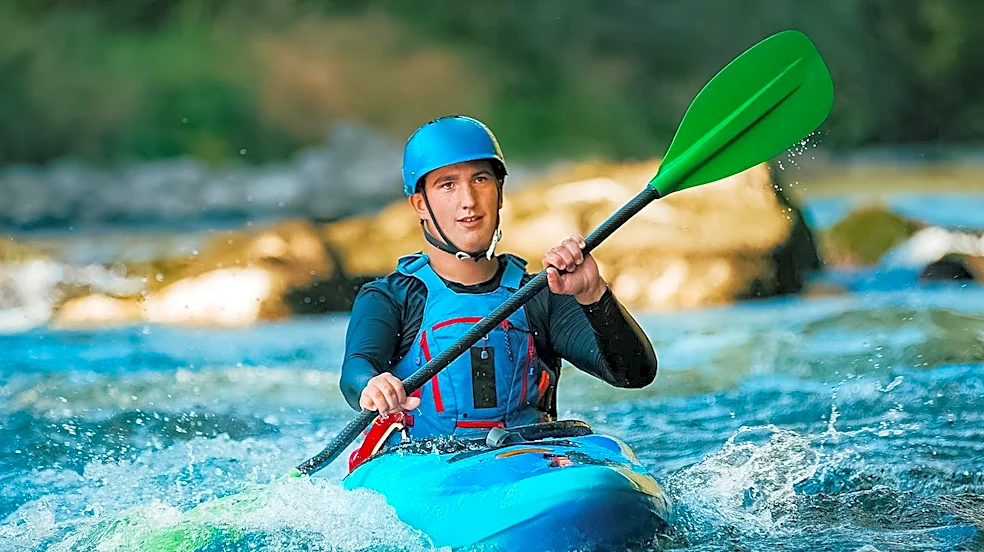
New kayakers are advised to prioritize stability, comfort, and suitability of equipment for water conditions, rather than speed or specialization. Key recommendations include choosing a kayak that fits the environment and the paddler, learning correct
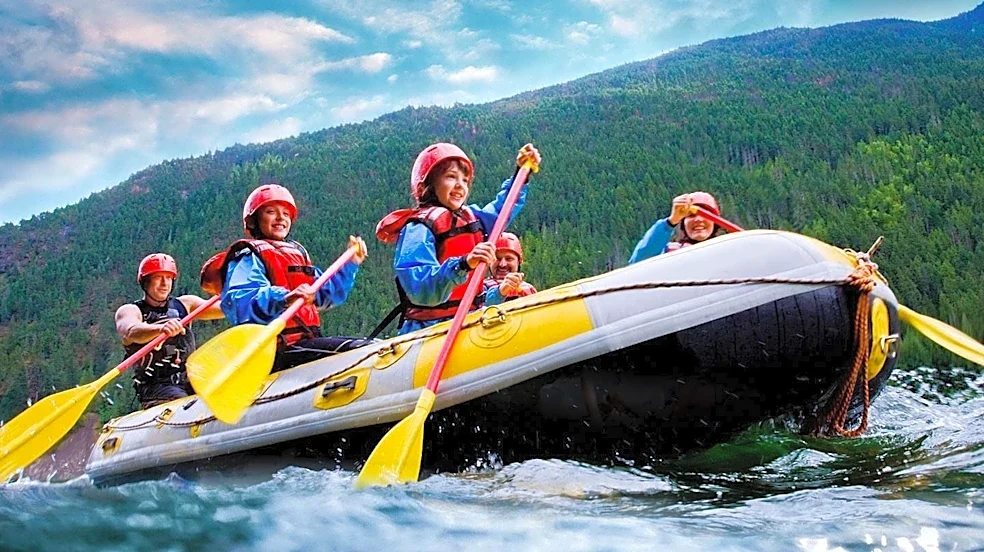
paddle grip and blade orientation, and utilizing torso rotation for efficient paddling instead of relying solely on arm strength. The importance of wearing a properly fitted personal flotation device (PFD) is highlighted, as conditions can change rapidly, and even experienced swimmers can face difficulties after an unexpected capsize. Beginners are encouraged to start with short trips on sheltered water, understand their route, and check weather conditions, particularly wind, which can significantly impact the return journey. Practicing balance by allowing the kayak to move slightly underneath the hips while keeping the upper body relaxed is also suggested. Dressing for water temperature, not just air temperature, and storing essential items in waterproof bags are crucial for safety and comfort.
Why It's Important?
These guidelines are crucial for enhancing safety and enjoyment for individuals new to kayaking, potentially reducing the risk of accidents and fostering a positive introduction to the sport. By emphasizing proper technique and equipment, the advice aims to prevent common beginner mistakes that can lead to fatigue, discomfort, or even dangerous situations. The focus on torso rotation, for instance, helps distribute workload more effectively, making kayaking more accessible and sustainable for a wider range of participants. The strong emphasis on safety equipment like PFDs and weather awareness underscores a proactive approach to water sports, which can mitigate risks associated with changing environmental conditions. This guidance can contribute to a more responsible and sustainable growth of recreational kayaking, ensuring that new enthusiasts are well-prepared and confident on the water, thereby promoting long-term engagement in the activity.
What's Next?
Individuals interested in kayaking are encouraged to apply these foundational tips during their initial outings. This involves selecting appropriate gear, practicing basic paddling techniques in calm waters, and consistently checking weather forecasts before launching. Beginners should consider joining organized groups or paddling with experienced individuals for their first trips to ensure immediate assistance if needed. Continued practice and gradual progression to more challenging conditions will help develop confidence and advanced skills. The kayaking community and instructors will likely continue to promote these safety and technique fundamentals to new participants, potentially through workshops, online resources, and community events, to ensure a safe and enjoyable experience for all. Adherence to these principles will likely lead to a more widespread and safer participation in kayaking.
Beyond the Headlines
The emphasis on foundational skills and safety in kayaking reflects a broader trend in outdoor recreational activities towards responsible participation and environmental awareness. By encouraging beginners to understand their limits and the environment, these tips promote a deeper respect for natural waterways and the potential hazards they present. This approach can foster a culture of preparedness and self-reliance among outdoor enthusiasts, extending beyond kayaking to other activities like hiking or paddleboarding. Furthermore, the advice implicitly highlights the importance of community and mentorship in learning new skills, as beginners are encouraged to seek guidance or paddle with others. This collective responsibility for safety and skill development can strengthen outdoor communities and ensure that natural spaces are enjoyed responsibly for years to come.