





What's Happening?
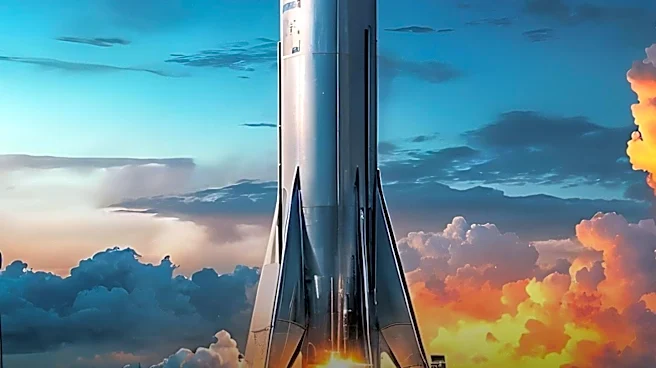
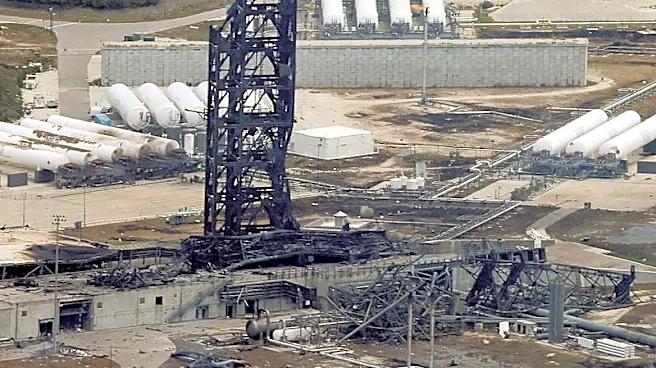
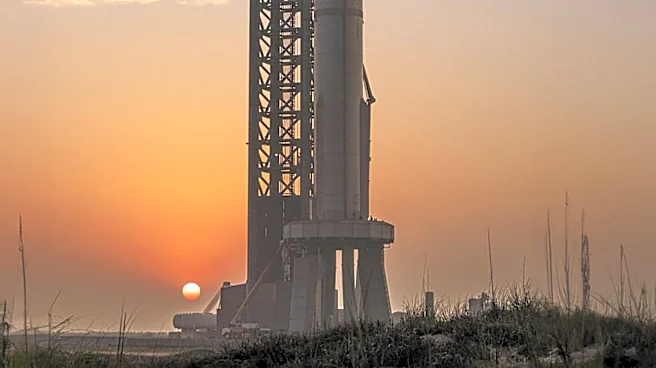
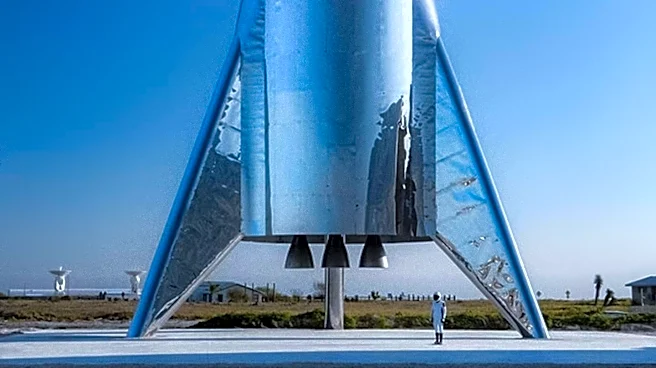
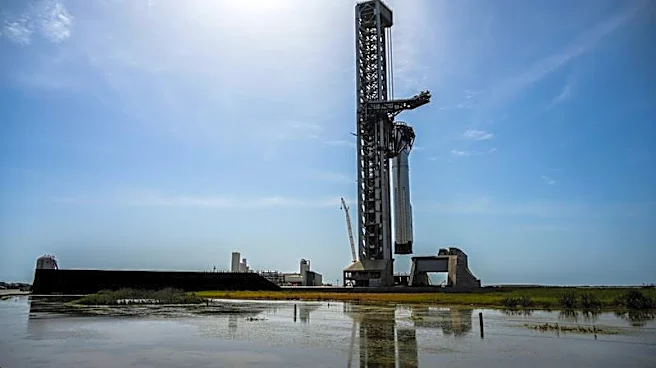
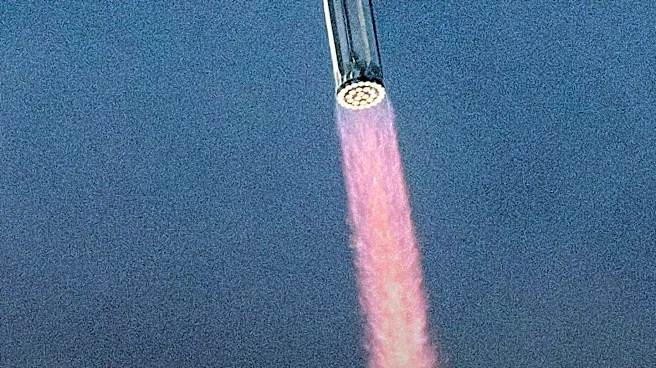
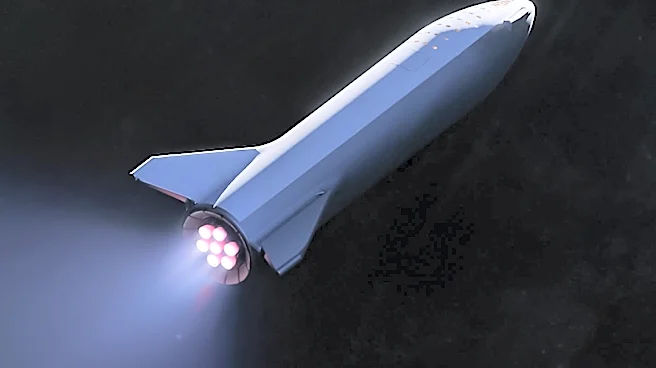
SpaceX's Starship Flight 13 was aborted at the last second on July 16, 2026, when four Raptor engines failed to ignite at T-0. This failure forced a full propellant offload and postponed the next launch attempt to July 20. Elon Musk confirmed the engine ignition
failure, though the exact cause is still under review. The Starlink constellation continues to expand, with 12,552 satellites launched to date, 10,848 currently in orbit, and 10,832 operational. The Starlink conjunction threat environment shows one high-risk event in early July 2026, with STARLINK-4621 facing a critical close approach to the non-operational SL-18 R/B. Additionally, seven Starlink satellites are predicted to reenter Earth's atmosphere between July 18-21, 2026, as part of routine end-of-life operations.
Why It's Important?
The failure of the Raptor engines highlights the challenges SpaceX faces in its ambitious Starship program, which aims to enable interplanetary travel. The incident underscores the complexity of coordinating multiple engines and raises questions about engine reliability. The Starlink constellation's expansion is crucial for SpaceX's business model, providing global internet coverage and generating revenue to fund future missions. The high-risk conjunction event emphasizes the growing concerns about space debris and the need for effective space traffic management. The successful resolution of these issues is vital for SpaceX's reputation and its ability to meet its ambitious goals.
What's Next?
SpaceX plans to attempt the Starship Flight 13 launch again on July 20, 2026. Engineers are expected to inspect and clear the affected Raptor engines before the next attempt. The company will continue to monitor the Starlink constellation for potential conjunctions and manage the reentry of satellites. The outcome of the next launch attempt will be closely watched by industry stakeholders and could influence SpaceX's future plans and investor confidence, especially as the company considers an IPO.