

What's Happening?
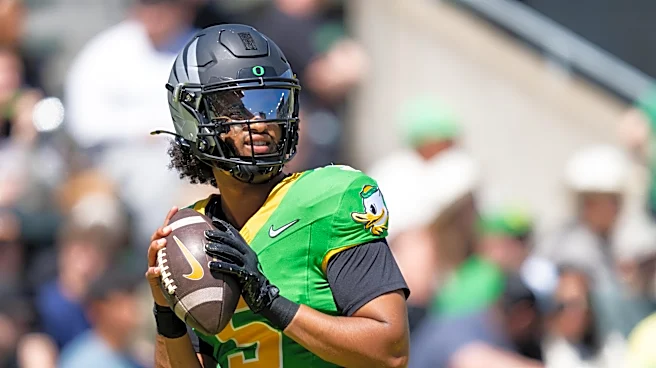
The 2026 college football season kicks off with a full slate of Week 1 games, featuring several compelling matchups and the debuts of new coaches. The schedule includes a variety of games from Thursday through Monday night, with teams like No. 2 Oregon,
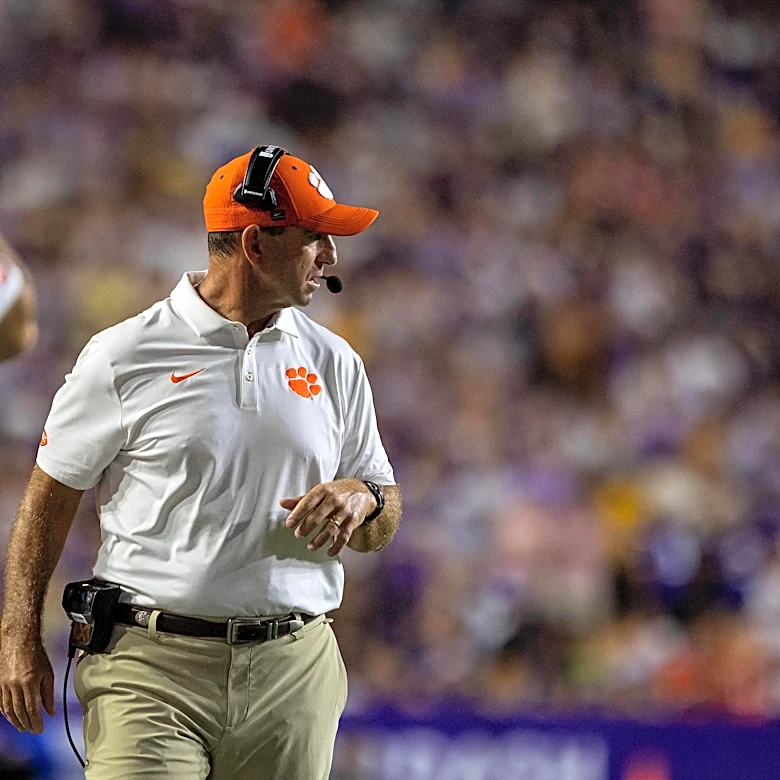
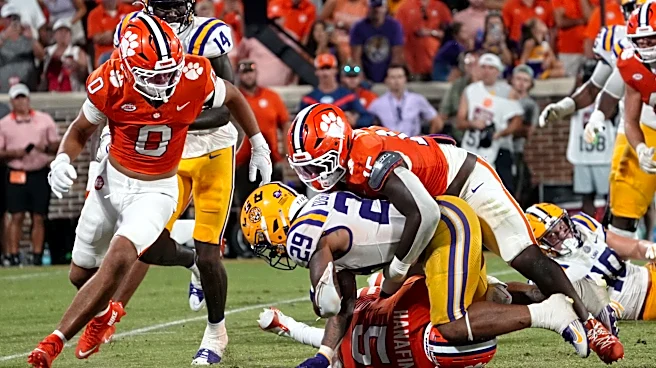
No. 11 LSU, and No. 9 Ole Miss in action. Notable games include Boise State at No. 2 Oregon, Baylor vs. Auburn in Atlanta, Clemson at No. 11 LSU, and UCLA at California. The only Top 25 matchup of the weekend will see No. 24 Louisville face No. 9 Ole Miss in Nashville. This week also highlights the impact of the transfer portal and NIL, as new player combinations aim to gel early in the season. Coaches like Tosh Lupoi at Cal and Bob Chesney at UCLA will make their head coaching debuts, adding an element of unpredictability to their respective games.
Why It's Important?
Week 1 of college football is crucial for setting the tone for the entire season, offering early opportunities for teams to build their College Football Playoff resumes. High-profile matchups and the performance of new coaching staffs can significantly influence team morale, fan engagement, and future recruiting efforts. For teams like Oregon, a strong start is essential to meet championship expectations, while programs like Clemson aim to prove they can return to elite status. The transfer portal and NIL continue to reshape team dynamics, making early-season games a critical test of how well new rosters integrate. The outcomes of these games can also impact conference standings and national rankings, influencing perceptions and betting lines for the rest of the year. The financial implications for universities, including ticket sales and donor interest, are also heavily tied to early-season success.
What's Next?
Following Week 1, teams will continue to navigate their non-conference schedules before heading into conference play, where the stakes will intensify. The performances of new coaches and transfer players will be closely scrutinized as teams aim to build momentum. Key matchups in the coming weeks will further clarify the pecking order within conferences and in the national landscape. Teams that struggle in Week 1 will face increased pressure to perform in subsequent games to avoid falling behind in playoff contention. The results will also inform future rankings and discussions around potential College Football Playoff contenders. Injuries sustained in early games could also impact team strategies and player availability for the remainder of the season, adding another layer of complexity.
Beyond the Headlines
The opening week of college football often reveals underlying trends in team development and coaching philosophies that extend beyond individual game outcomes. The integration of new talent via the transfer portal highlights the evolving nature of roster construction in college athletics, emphasizing adaptability and quick team chemistry. The pressure on new head coaches to deliver immediate results reflects the high-stakes environment of modern college football, where job security can be tenuous. Furthermore, the financial ecosystem of college football, driven by media rights, sponsorships, and fan engagement, is heavily influenced by the excitement and competitiveness generated in early-season games. The narratives established in Week 1 can shape public perception and media coverage for months, impacting everything from Heisman Trophy races to national championship predictions.