



What's Happening?
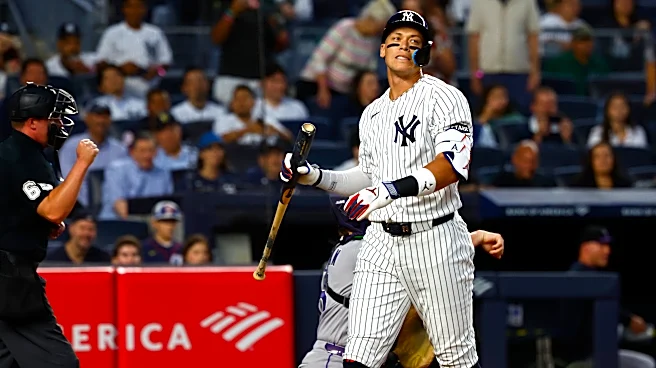
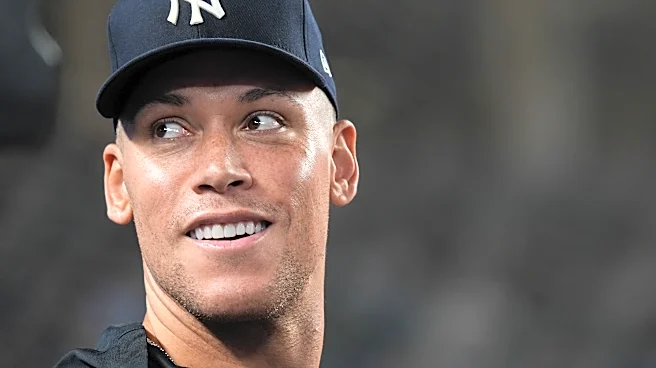
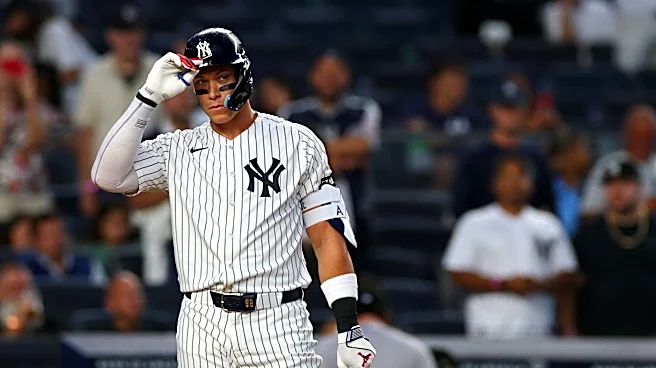
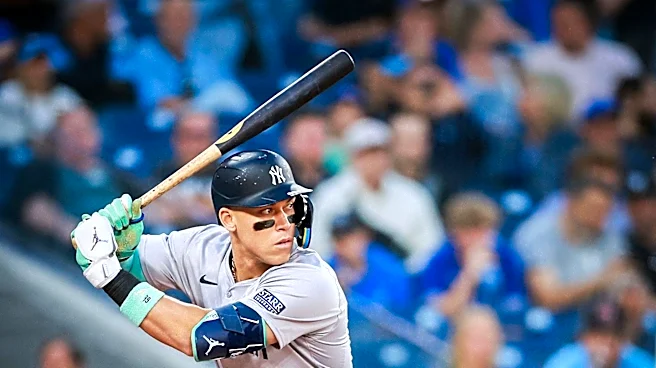
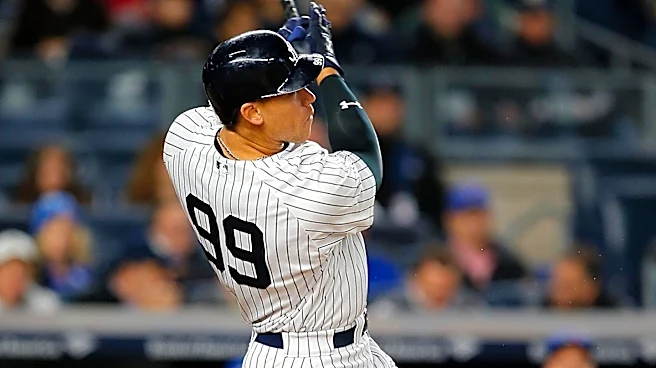
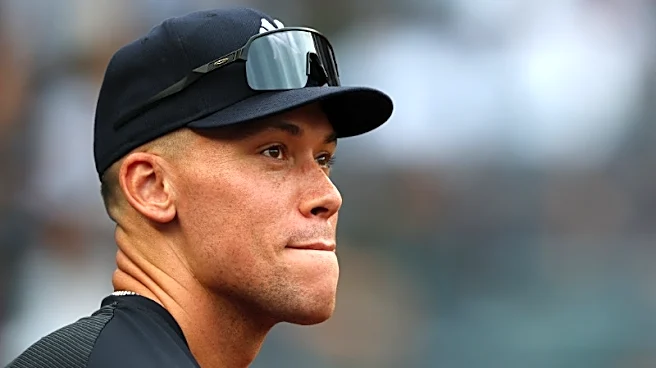
Aaron Judge returned to the New York Yankees lineup on Tuesday night after a 99-day absence due to a broken rib. In his first two at-bats against the Colorado Rockies, Judge struck out and flied out. Recovered from the injury, the three-time AL MVP started
in right field and batted third in the series opener. Yankees manager Aaron Boone indicated that Judge would not play the entire game and might have a day off during the series. Judge had been on the 60-day injured list since May 31 and had missed 84 games. He had attempted to persuade Boone to activate him earlier after a teammate's injury.
Why It's Important?
Aaron Judge's return is a significant development for the New York Yankees, who had a 45-39 record in his absence. His presence is expected to bolster the team's offense, which struggled during his time off, hitting .227 with a .681 OPS and averaging 4.06 runs per game, ranking 29th among major league teams. Judge's ability to draw attention from opposing pitchers also creates better opportunities for other batters in the lineup. His return comes as the Yankees are in a tight race, four games behind AL East-leading Tampa Bay and two games ahead of Boston for the top AL wild card spot. His performance will be crucial for the team's postseason aspirations.
What's Next?
Yankees manager Aaron Boone plans to manage Judge's playing time carefully, with potential days off to ease him back into full activity. Judge will continue to be a central figure in the Yankees' push for the postseason, and his performance will be closely watched. Additionally, other injured players, such as left-hander Ryan Weathers, are also working towards returning to the team. Weathers, recovering from a left forearm flexor strain, hopes to pitch off a mound soon and contribute in a bullpen role during the postseason. The team's overall health and the integration of returning players will be key factors in their success in the coming weeks.
Beyond the Headlines
Judge's injury and recovery highlight the physical demands and risks inherent in professional sports, particularly baseball. The meticulous process of rehabilitation and the careful management of a star player's return underscore the significant investments teams make in their athletes. The psychological aspect of a player's desire to return to the field, even against medical advice, also speaks to the competitive drive and dedication common among elite athletes. Furthermore, the impact of a single player's absence on team statistics and strategy demonstrates the intricate interdependencies within a professional sports team, where individual contributions can profoundly affect collective performance and the overall dynamics of the game.