


What's Happening?
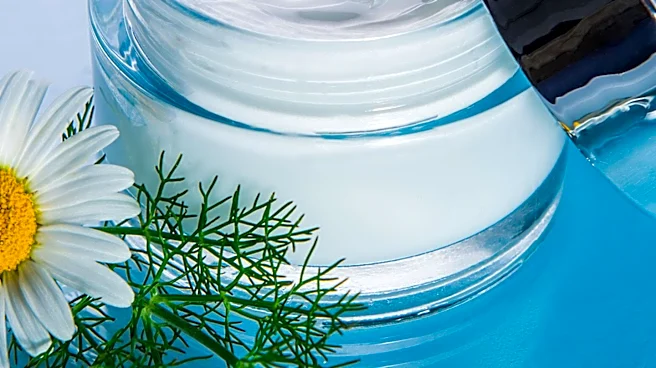
Effective barrier repair creams are formulated with a combination of humectants, emollients, and occlusives to restore and maintain skin health. Humectants, such as glycerin and hyaluronic acid, draw moisture into the outer skin layers. Emollients, including
ceramides, fatty acids, and squalane, fill gaps between skin cells, smoothing and softening the skin while replenishing essential lipids. Occlusives, like petrolatum and dimethicone, form a protective film on the skin's surface to significantly reduce transepidermal water loss. Petrolatum, in particular, has been shown to cut water loss by as much as 98 percent. Ceramide-containing creams are beneficial for dry and eczema-prone skin as they resupply missing lipids. The consistent application of fragrance-free moisturizers that incorporate these three types of ingredients is crucial for effective skin barrier repair. Products should avoid harsh ingredients like fragrances, essential oils, and high concentrations of drying alcohols.
Why It's Important?
The proper repair and maintenance of the skin barrier are vital for overall skin health, preventing issues such as dryness, stinging, redness, and flaking. A compromised skin barrier allows irritants and microbes to enter the body more easily, while also leading to increased water loss from deeper skin layers. This can exacerbate existing skin conditions like eczema and rosacea, and make the skin more susceptible to environmental damage. By understanding the roles of humectants, emollients, and occlusives, consumers can make informed choices about skincare products, moving beyond marketing claims to select formulas that genuinely support barrier function. This knowledge empowers individuals to choose products that provide sustained hydration and protection, ultimately leading to healthier, more resilient skin and reducing the need for more intensive treatments for chronic skin issues.
What's Next?
Individuals experiencing symptoms of a damaged skin barrier, such as stinging from familiar products, persistent tightness, flaking, or new redness, should prioritize a simplified skincare routine. This involves pausing the use of active ingredients like exfoliating acids and retinoids for two to four weeks. The next step is to adopt a gentle, pH-balanced cleanser and consistently apply a fragrance-free moisturizer containing humectants, emollients, and occlusives. Applying moisturizer to damp skin within minutes of washing is recommended to maximize hydration. If symptoms persist or worsen after four to six weeks of consistent gentle care, or if severe symptoms like cracking, bleeding, or signs of infection appear, consulting a dermatologist or primary care clinician is advised for professional diagnosis and treatment.
Beyond the Headlines
The emphasis on understanding the functional categories of skincare ingredients (humectants, emollients, occlusives) rather than relying solely on brand marketing represents a significant shift towards more informed consumer choices in the beauty industry. This approach highlights the importance of scientific evidence in product selection and encourages a more holistic view of skin health, recognizing that external factors like humidity, water temperature, and even stress can impact the skin barrier. The discussion also subtly critiques the common consumer behavior of constantly seeking new products, advocating instead for consistent use of effective, well-formulated products. This deeper understanding can lead to more sustainable skincare practices, reducing product waste and promoting long-term skin resilience over quick fixes.