






What's Happening?
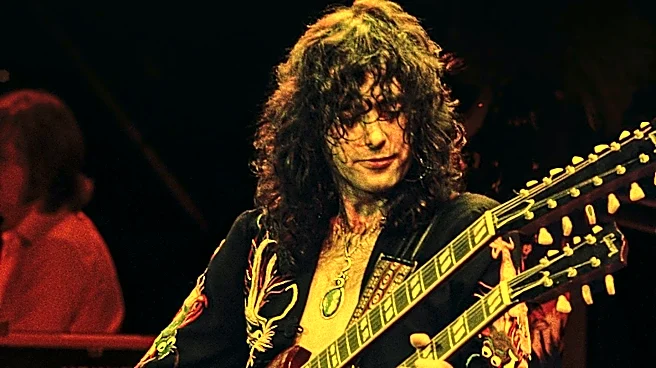
Pete Townshend, guitarist for The Who, recently revealed in an appearance on the Classic Album Review podcast that he "never really got into Led Zeppelin" during their heyday. Townshend explained that his initial aversion stemmed from a perception that Led Zeppelin was
"trying to pinch our audience," a feeling he had previously experienced with Jimi Hendrix. Despite this past sentiment, Townshend has recently revisited Led Zeppelin's discography and now expresses appreciation for their music. He mentioned attempting to arrange a lunch with Jimmy Page, indicating a shift in his perspective. Townshend also reflected on the origins of heavy metal, acknowledging that while The Who's 'Live at Leeds' album was explosive, he doesn't necessarily see them as godfathers of the genre in the same vein as bands like Black Sabbath, which he described as having an almost religious philosophy rooted in darkness. He noted that Led Zeppelin later combined heavy metal with softer songwriting and ballads.
Why It's Important?
This revelation offers a unique insight into the competitive dynamics and artistic perceptions among legendary rock bands during a pivotal era of music history. Townshend's candid admission highlights the pressures and rivalries that could exist even among highly successful groups, influencing their views on contemporaries. For music historians and fans, it provides a deeper understanding of the personal and professional relationships within the rock scene of the 1960s and 70s. The shift in Townshend's opinion, from rivalry to appreciation, underscores the evolving nature of musical taste and the potential for artists to re-evaluate the work of their peers over time. This perspective can also inform discussions about the categorization and evolution of rock genres, particularly heavy metal, by offering a first-hand account from a key figure in its development.
What's Next?
While no specific future actions are detailed beyond Townshend's attempt to meet Jimmy Page, this public acknowledgment could potentially spark further dialogue between the two rock legends. Such a meeting, if it occurs, might lead to collaborative projects, shared reflections, or even joint appearances, which would undoubtedly be of significant interest to fans of both bands. The renewed appreciation from a figure as influential as Townshend could also encourage a new generation of listeners to explore Led Zeppelin's catalog, potentially boosting their enduring legacy and catalog sales. Furthermore, this type of retrospective commentary from iconic musicians often contributes to ongoing discussions and documentaries about rock history, providing valuable primary source material for future analyses of the genre's development.
Beyond the Headlines
Townshend's comments touch upon the broader theme of artistic influence and the often-complex relationship between innovation and competition in creative fields. His initial feeling of Led Zeppelin "pinching our audience" reflects a common anxiety among artists regarding market share and cultural relevance. This dynamic can drive both creative output and personal rivalries. The eventual shift in his perspective, however, speaks to the maturity and evolution of an artist, demonstrating that initial competitive feelings can give way to genuine admiration. This narrative also highlights how the passage of time can allow for a more objective assessment of artistic contributions, moving beyond immediate rivalries to recognize the lasting impact and quality of work. It underscores the idea that true artistic merit often transcends contemporary competition and gains broader recognition over time.