







What's Happening?
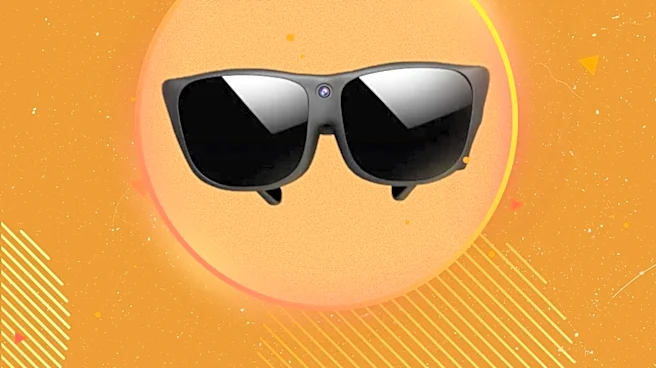
The 'Antizuck' iOS app has gained significant attention by claiming to detect nearby smart glasses, specifically those associated with Meta's AI technology. This app has quickly risen to the #3 spot on the U.S. iPhone paid App Store chart, indicating
a strong consumer interest in privacy concerns related to smart glasses. The app costs $3 and has attracted enough users to achieve this ranking, despite the novelty of such apps breaking into top charts. The app's functionality and effectiveness in detecting smart glasses remain unverified, and it is unclear what actions users should take upon detection. The popularity of the app reflects a growing sentiment among users who are wary of privacy issues posed by AI-equipped smart glasses.
Why It's Important?
The rise of the 'Antizuck' app highlights increasing public concern over privacy and surveillance issues associated with AI smart glasses. As technology companies like Meta continue to develop wearable tech, consumer apprehension about privacy invasion is becoming more pronounced. This trend could influence tech companies' strategies and product designs, as they may need to address these privacy concerns to gain consumer trust. The app's success also suggests a potential market for privacy-focused applications, which could drive innovation and competition in the tech industry. Furthermore, the app's popularity may signal challenges for companies like Apple, which are considering entering the smart glasses market, as they will need to navigate these privacy concerns effectively.
What's Next?
As the 'Antizuck' app continues to gain traction, it may prompt further scrutiny and discussion about the privacy implications of smart glasses. Tech companies might respond by enhancing transparency and privacy features in their products to alleviate consumer concerns. Additionally, regulatory bodies could become more involved in setting guidelines for wearable technology to protect consumer privacy. The app's success might also inspire other developers to create similar applications, potentially leading to a broader range of privacy-focused tech solutions. Companies entering the smart glasses market, like Apple, will likely monitor these developments closely to inform their product strategies.