

What's Happening?
Under the leadership of Donatella Versace, the luxury fashion house Versace has evolved beyond clothing into a significant cultural force, influencing architecture, art, and the visual language of luxury. Her tenure, which began in 1997, has been marked
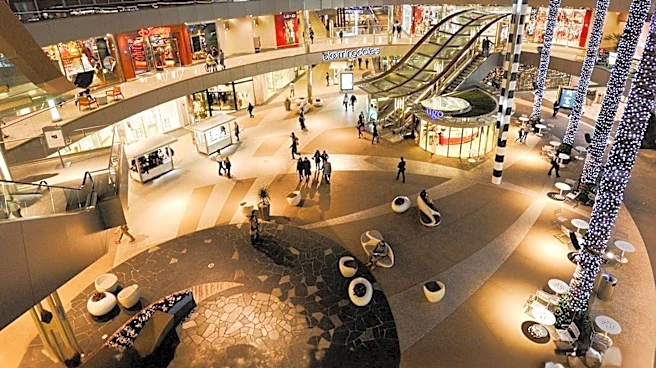
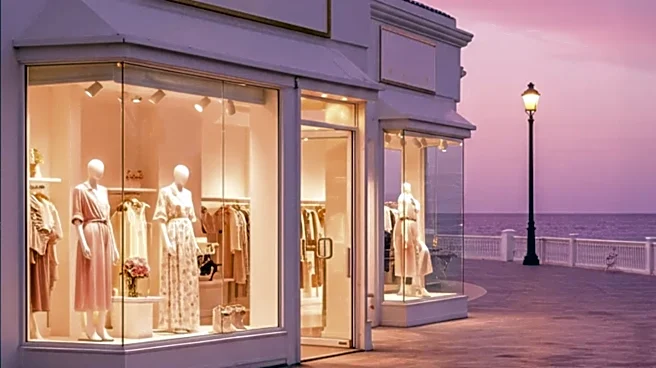
by a commitment to preserving the brand's iconic aesthetic while redefining it through provocative imagery and architectural boldness. Versace's physical retail spaces, such as flagship stores in Milan, New York, and Tokyo, are designed as immersive experiences featuring grand staircases, marble columns, and ceiling frescoes that evoke mythological grandeur. Donatella Versace's approach emphasizes permanence and timeless elegance, collaborating with architects and artisans to reinforce the brand's status as a curator of sensual space. The brand's campaigns and product imagery are meticulously crafted to evoke desire and aspiration, with a focus on visual precision rather than clickbait.
Why It's Important?
This transformation is important because it demonstrates how a fashion brand can transcend its primary function to become a broader cultural influencer. Versace's expansion into architecture and art sets a precedent for luxury brands seeking to deepen their engagement with consumers and establish a more enduring legacy. By creating immersive retail environments and visually rich campaigns, Versace not only sells products but also cultivates a lifestyle and an aspirational identity. This strategy can significantly impact the luxury market by raising the bar for brand experience and storytelling. It also highlights the increasing importance of visual language and symbolic design in connecting with diverse audiences, including a new generation drawn to multimedia art and digital exhibitions. The brand's ability to recontextualize heritage elements like the Medusa symbol ensures its relevance in a rapidly changing global market.
What's Next?
Versace is likely to continue its trajectory of integrating fashion with broader cultural elements, potentially exploring new collaborations in art, design, and digital media. The brand's emphasis on visual storytelling and immersive experiences suggests a future where physical and digital touchpoints are increasingly blurred to create a seamless brand narrative. Future campaigns may further leverage digital art and inclusive casting, building on the success of initiatives like the 2023 'La Greca' collection. The brand's commitment to architectural boldness in its retail spaces indicates ongoing investment in creating unique and memorable customer experiences. This approach could inspire other luxury brands to invest more in their physical presence and visual identity, fostering a competitive landscape focused on comprehensive brand immersion rather than just product sales.
Beyond the Headlines
The evolution of Versace under Donatella Versace's direction reflects a deeper shift in the luxury industry, where brands are becoming curators of culture and experience rather than just manufacturers of goods. This trend raises questions about the future of consumerism, where intangible values like aspiration, identity, and storytelling play an increasingly significant role in purchasing decisions. The strategic use of symbolism, such as the Medusa figure, to convey power and allure, taps into universal human desires and cultural narratives. This approach also highlights the ethical considerations of influencing consumer identity and aspirations through carefully constructed visual languages. Ultimately, Versace's success in weaving classical motifs with modern aesthetics suggests a long-term shift towards brands that can effectively blend heritage with innovation, creating a legacy that extends far beyond seasonal fashion trends.