





What's Happening?
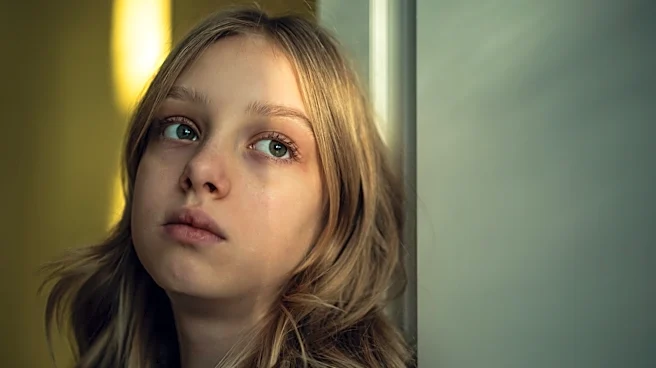
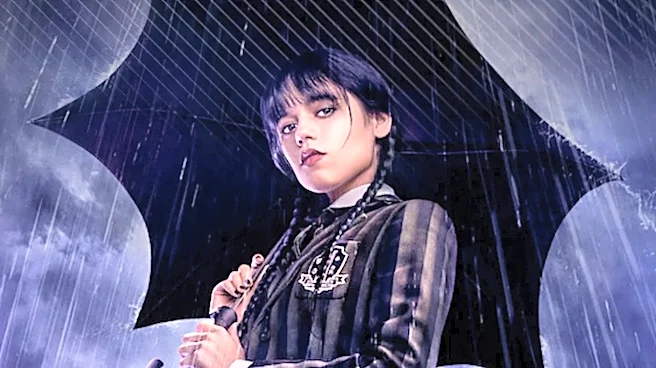
The 'dark academia' aesthetic, an internet-born trend, continues to gain popularity by romanticizing higher education and the pursuit of knowledge. This aesthetic is characterized by a moody, melancholic atmosphere, drawing inspiration from classic literature,
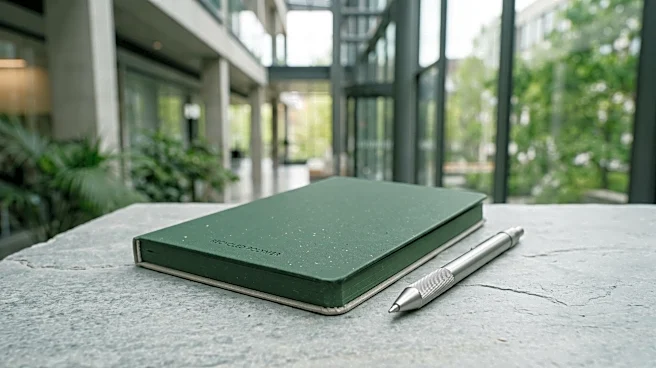
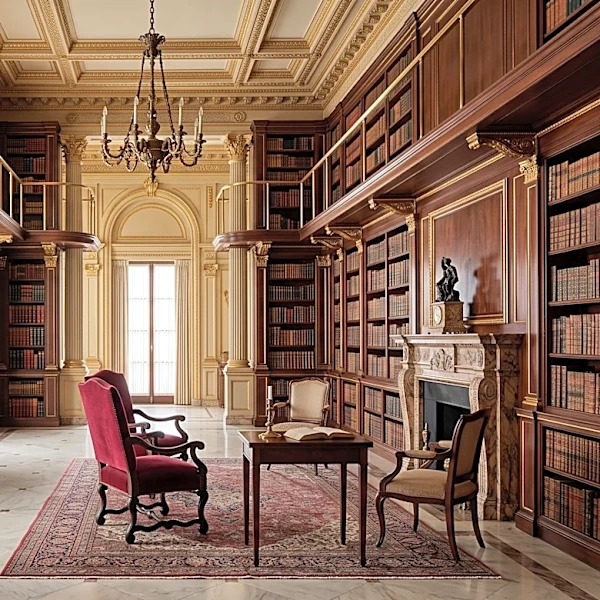
arts, and old universities with Gothic architecture. Visually, it features dark wood, leather-bound books, candlelight, and a color palette dominated by browns, oxblood, forest green, and black. The style emphasizes structured clothing like tweed blazers, plaid skirts, and oxfords. Originating on Tumblr around 2014-2015, it spread to other social media platforms and saw a significant surge in popularity on TikTok in 2020, particularly during the COVID-19 pandemic when students sought an escape into a romanticized version of academic life.
Why It's Important?
The enduring popularity of the dark academia aesthetic reflects a cultural yearning for intellectualism, tradition, and a sense of mystery in an increasingly digital and fast-paced world. It offers an escape into a romanticized past, providing comfort and inspiration through its emphasis on literature, art, and classical learning. The aesthetic's rise during the pandemic highlights its role as a coping mechanism, allowing individuals to connect with a sense of scholarly community and purpose even when physical campuses were closed. Furthermore, its blend of fashion, literature, and visual arts demonstrates how internet aesthetics can create comprehensive lifestyle movements, influencing consumer choices in clothing, decor, and reading materials. The aesthetic also fosters a community around shared intellectual and artistic interests.
What's Next?
While the peak of its popularity in 2020 has passed, dark academia has settled into a steady niche that experiences annual resurgence as colder weather approaches. This suggests its continued presence as a seasonal trend and a consistent subculture. Fans are actively expanding the aesthetic's scope, incorporating non-Western classics and writers of color into its reading lists, and favoring thrifted and secondhand clothing to align with its vintage appeal. This evolution indicates a growing desire for inclusivity and sustainability within the aesthetic. The ongoing development of related aesthetics like 'light academia,' 'romantic academia,' and 'gothic academia' also points to a diversification of scholarly-inspired styles, catering to a broader range of preferences while maintaining core themes of intellectual pursuit and romanticized learning.
Beyond the Headlines
The dark academia aesthetic, despite its romantic appeal, faces critiques regarding its Eurocentrism and potential glamorization of elitism, overwork, and burnout. Its focus on predominantly white European writers and institutions that historically excluded many raises questions about representation and accessibility. However, the community's efforts to diversify reading lists and embrace secondhand fashion demonstrate a conscious pushback against these criticisms, aiming to make the aesthetic more inclusive and sustainable. The presence of queer themes and a large LGBTQ+ fanbase within dark academia also highlights its role as a space for exploring identity and subtext in literature and art. This ongoing dialogue between romanticization and critical awareness underscores the complex nature of internet aesthetics and their capacity for both escapism and social commentary.