




What's Happening?
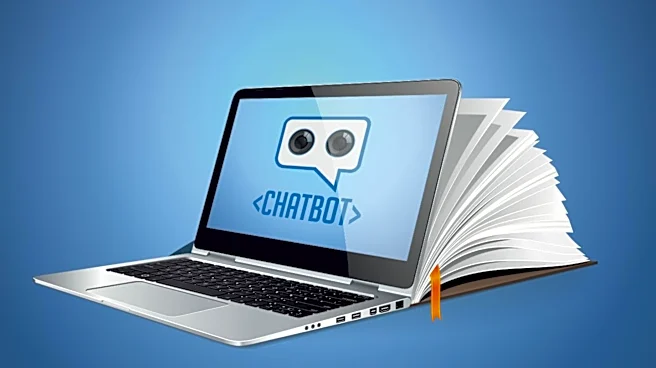
Odeon Cinemas, a prominent cinema chain in the UK, has implemented AI-powered solutions, specifically a chatbot named Odi, to improve its customer experience and operational efficiency. The company receives approximately 10,000 customer queries weekly,
ranging from basic film start times to complex ticketing issues. Charlotte Ullathorne, Odeon's Head of Marketing, emphasized that the goal was not to replace human agents but to enhance their capabilities by handling low-level, general queries with AI. This strategy allows human operatives to focus on more complex issues and support other functions within the company. The AI agent currently resolves around 40% of customer queries, and Odeon continuously feeds insights from customer interactions and external trends back into the AI system to improve its responsiveness and accuracy. The integration has led to quicker query resolution and an increase in customer satisfaction scores over the past 18 months.
Why It's Important?
The adoption of AI by Odeon Cinemas highlights a growing trend in the service industry where AI is used to augment, rather than replace, human labor. This approach can lead to significant benefits for both businesses and employees. For businesses, it translates to improved efficiency, reduced operational costs, and enhanced customer satisfaction through faster and more consistent service. For employees, it means a shift from repetitive tasks to more engaging and complex problem-solving, potentially increasing job satisfaction and skill development. The success of Odeon's strategy could serve as a model for other U.S. service industries facing similar challenges with high volumes of customer inquiries, demonstrating how AI can be strategically deployed to optimize human resources and elevate service quality without widespread job displacement. This also underscores the importance of careful AI implementation, ensuring the technology aligns with company values and customer expectations.
What's Next?
Odeon Cinemas plans to continue refining its AI integration, acknowledging that it is an ongoing journey. The company is working to address limitations related to its wider systems ecosystem, as not all functionalities are currently within the Zendesk platform used for AI. This suggests future efforts will focus on better integration of various technological solutions to enable the AI agent to resolve a higher percentage of queries. Odeon also emphasizes the importance of continuous testing and careful information input to ensure the AI provides accurate and reliable responses, aligning with the company's tone of voice and values. This methodical approach indicates a long-term commitment to AI development, with a focus on gradual expansion and improvement rather than rapid, untested deployment. Other businesses in the U.S. entertainment and service sectors may observe Odeon's progress to inform their own AI adoption strategies.
Beyond the Headlines
The case of Odeon Cinemas illustrates a critical ethical and operational consideration in the age of AI: maintaining a 'human touch' in customer service. Despite the efficiency gains, Odeon deliberately chose not to become 'robotic,' ensuring human agents remain available for complex issues and personal interactions. This reflects a broader societal debate about the balance between technological advancement and human connection, particularly in customer-facing roles. The company's emphasis on retaining its human teams and allowing them to handle more nuanced tasks suggests a future where AI acts as a powerful assistant, freeing up human potential for higher-value work. This model challenges the common fear of AI-driven job displacement, instead proposing a collaborative framework where AI and humans complement each other, leading to a more robust and empathetic service delivery system. It also highlights the importance of 'expectations management' in AI adoption, recognizing that AI is a tool that requires careful training and integration, not a magic bullet.