



What's Happening?
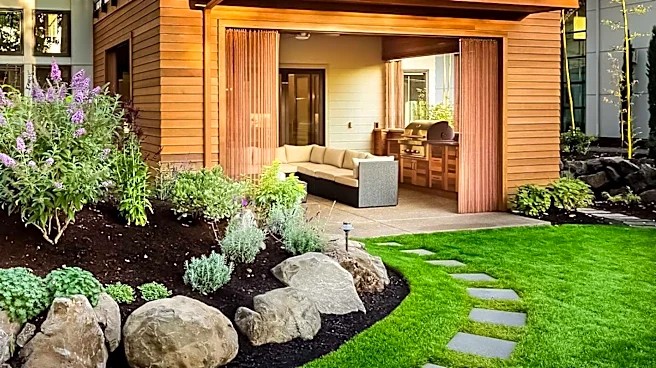
Luxury outdoor living in Northern Virginia is evolving towards creating cohesive, multi-functional environments rather than focusing on individual features. For 2027, homeowners are prioritizing the integration of various outdoor 'rooms' such as dining
terraces, custom outdoor kitchens, pool and spa zones, quiet courtyards, and fire pit terraces. This shift is driven by a desire for spaces that are connected naturally and serve specific purposes, enhancing the overall property's function and feel. Research from Houzz indicates that a significant majority of homeowners undertaking outdoor renovations include lounge or seating areas, with dining spaces, quiet retreats, gardens, and outdoor cooking areas also being major priorities. The trend emphasizes thoughtful design that considers the entire property, ensuring elements like custom pools, outdoor kitchens, and fire pits are seamlessly linked to the home and other outdoor areas. This approach aims to create a refined outdoor experience where every square foot has a clear purpose, regardless of property size.
Why It's Important?
This trend signifies a maturation in the U.S. luxury home market, particularly in regions like Northern Virginia, where outdoor spaces are increasingly viewed as extensions of the indoor living environment. For landscape architects, designers, and construction companies, this means a greater demand for comprehensive master planning and integrated design solutions, moving away from piecemeal additions. It also suggests a potential increase in project scope and budget for homeowners, as they invest in more complex and interconnected outdoor systems. The emphasis on 'purposeful rooms' and seamless transitions could drive innovation in outdoor furniture, lighting, and climate control solutions. Furthermore, the focus on creating comfortable, well-connected outdoor spaces reflects a broader lifestyle shift towards maximizing home utility and enjoyment, potentially influencing real estate values and buyer expectations in the luxury segment.
What's Next?
As homeowners continue to seek more integrated outdoor living solutions, the demand for advanced design and construction techniques will likely grow. This could lead to increased adoption of technologies like 3D visualization and LiDAR scanning in the early stages of landscape design, allowing clients to fully explore proposed layouts before construction. We can also anticipate a continued evolution in outdoor kitchen capabilities, with more sophisticated appliances and infrastructure becoming standard. The market may see further development in all-season outdoor rooms, including pergolas, screened porches, and covered areas, to enhance comfort and usability throughout the year. Additionally, there will likely be a sustained focus on resilient, native, and lower-maintenance planting schemes that support biodiversity and adapt to local climate conditions, reflecting growing environmental consciousness among luxury homeowners.
Beyond the Headlines
The shift towards integrated luxury outdoor living spaces reflects a deeper cultural value placed on home as a sanctuary and a versatile environment for both relaxation and entertainment. This trend moves beyond mere aesthetics, emphasizing functionality, comfort, and a harmonious relationship with nature. It suggests a long-term investment in quality of life, where the boundaries between indoor and outdoor living become increasingly blurred. Ethically, the focus on native and resilient planting highlights a growing awareness of ecological responsibility within luxury design. Legally, this trend might prompt updates in local zoning laws and building codes to accommodate more complex outdoor structures and integrated systems. Culturally, it reinforces the idea of the home as a central hub for social gatherings and personal well-being, influencing how future residential developments are conceived and marketed.