

What's Happening?
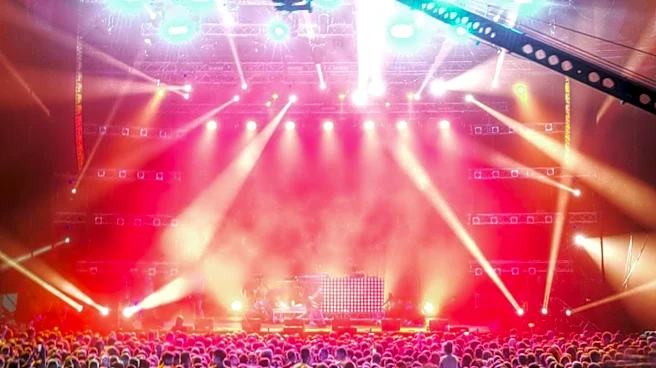
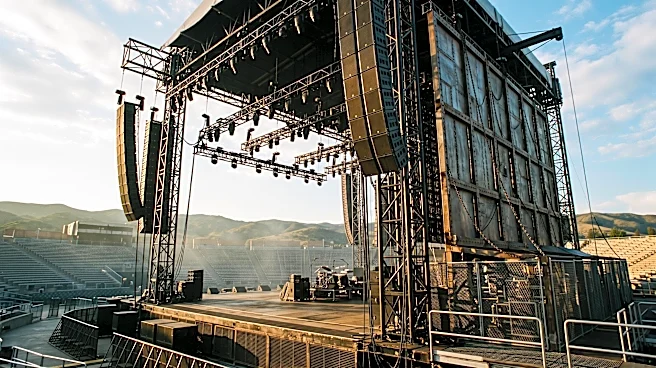
The Sonic Temple festival in Columbus, Ohio, has announced its 2027 lineup, featuring a blend of established rock and metal acts alongside newer bands. Headliners include Iron Maiden, Blink-182, Korn, Faith No More, Alice in Chains, A Perfect Circle,
GWAR, Ministry, Falling in Reverse, and Turnstile. This approach of combining decades-old legacy acts with more current bands for the undercard is a long-standing formula in rock and metal festivals, dating back over 40 years. The festival is scheduled to run from May 13–16, 2027, at Historic Crew Stadium. Tickets, including various pass options and payment plans, are currently on sale, with RV camping and hotel packages available separately. The lineup structure has sparked discussions within the music industry regarding the future of headlining acts and how new artists are breaking through to arena-level status.
Why It's Important?
This lineup is significant because it highlights a continuing trend in the music festival industry: reliance on legacy acts to draw large crowds. While this strategy has been successful for decades, it raises questions about the development of future headliners in the rock and metal genres. Some industry figures express concern about whether enough new bands are achieving the necessary scale to eventually take over headline slots. However, audience data suggests that legacy acts are attracting new, younger fans, often through algorithmic discovery on platforms like TikTok and placements in film and television. This indicates that the relevance of older bands is being sustained beyond their original fanbases, potentially altering the traditional pipeline for headliner succession. The festival's success will offer insights into the effectiveness of this dual-audience strategy.
What's Next?
Industry observers will be closely watching the crowd composition at Sonic Temple 2027 to determine if younger audiences are indeed attending legacy act sets in significant numbers, as suggested by streaming data. Promoters may begin to explicitly market legacy headliners towards younger demographics, rather than solely relying on an older, established fanbase. The festival's outcome could influence future booking strategies for similar events, potentially leading to a re-evaluation of how new bands are cultivated for headlining roles. The ongoing debate about 'lineup succession' will continue, with the possibility that social media platforms like TikTok might increasingly play a role in replenishing the fan bases of established artists, thereby reducing the perceived urgency for new acts to reach headliner status through traditional means.
Beyond the Headlines
The phenomenon of legacy acts gaining new fans through digital platforms like TikTok points to a broader shift in music consumption and discovery. This challenges the traditional model where radio play and inherited taste primarily shaped musical preferences. Gen Z's engagement with older music, driven by algorithmic recommendations and media placements, is creating a new 'classic rock' canon that is self-curated rather than dictated by established industry gatekeepers. This dynamic could lead to a more fluid and less age-segregated music landscape, where artists' longevity is less dependent on continuous new releases and more on their catalog's discoverability. It also raises questions about the long-term impact on artist development and the economic models of the music industry, as the value of back catalogs potentially increases and the pressure on new artists to achieve immediate mainstream success might shift.