





What's Happening?
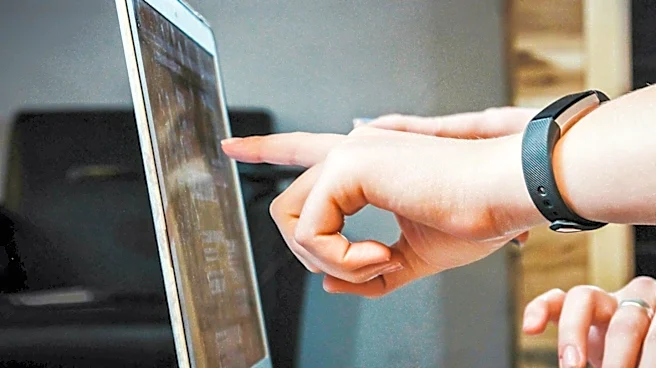
Wearable app development is centered on creating applications specifically designed for devices such as smartwatches, fitness trackers, and healthcare devices. Unlike traditional mobile applications, these wearable apps prioritize quick interactions,
usability on small screens, battery efficiency, sensor data integration, and reliable connectivity. The core value of wearable applications lies in combining appropriate device capabilities with fast, simple interactions, rather than replicating the full functionality of a smartphone application. Google's Wear OS documentation, for instance, recommends focusing on critical tasks that are best suited for the wrist. Wearables are particularly useful for activity tracking, real-time notifications, quick status information, device-to-device communication, sensor-based experiences, health and fitness data synchronization, IoT connectivity, and time-sensitive alerts. The architecture of these products often separates functions, with some residing on the wearable and others on companion mobile or web applications, to optimize user experience and reduce processing on smaller interfaces.
Why It's Important?
The specialized approach to wearable app development is crucial for the effective integration of these devices into daily life and various industries in the U.S. By focusing on quick, context-aware interactions, wearable apps enhance user convenience and provide immediate access to vital information, which is particularly valuable in health, fitness, and productivity sectors. This development strategy ensures that wearables are not merely smaller versions of smartphones but serve distinct, optimized purposes. For U.S. businesses, investing in tailored wearable app development can unlock new opportunities for customer engagement, data collection, and service delivery. In healthcare, for example, efficient wearable apps can facilitate remote monitoring and preventive care. In the fitness industry, they can offer personalized coaching and progress tracking. The emphasis on battery efficiency and reliable connectivity also addresses key user concerns, fostering greater adoption and sustained use of wearable technology across the U.S. market.
What's Next?
The future of wearable app development will likely see continued refinement in user experience, with an even greater emphasis on intuitive, glanceable interactions and seamless integration with broader digital ecosystems. As wearable technology advances, there will be increased demand for applications that leverage more sophisticated sensor data and artificial intelligence for personalized insights. Developers will need to navigate the complexities of platform fragmentation, ensuring compatibility across various operating systems like watchOS and Wear OS. The focus will remain on optimizing performance within hardware limitations, particularly concerning battery life and small screen sizes. Furthermore, the integration of wearables into the Internet of Things (IoT) will expand, requiring robust connectivity and data synchronization capabilities. Businesses will continue to seek wearable app solutions that offer secure data handling, privacy protection, and the ability to deliver timely, relevant information to users.
Beyond the Headlines
The evolution of wearable app development extends beyond mere technological advancement; it represents a shift in how we interact with information and manage our lives. By prioritizing essential functions and quick interactions, wearable apps are subtly reshaping user behavior, encouraging more focused engagement with technology. This approach can lead to a reduction in digital overload, as users receive only the most critical information directly on their wrist. Ethically, the collection and utilization of sensor data raise important questions about privacy and data security, necessitating robust frameworks and transparent practices from developers. Culturally, the seamless integration of wearables into daily routines could further blur the lines between technology and self, influencing perceptions of health, productivity, and personal monitoring. The long-term impact could be a society that is more continuously connected to its own biometric data, potentially leading to both greater self-awareness and new forms of digital dependency.