




What's Happening?
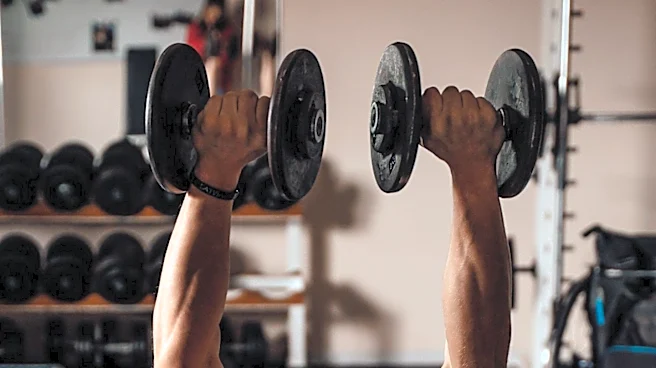
The dumbbell bench press is a key exercise for building upper body strength, muscle mass, and shoulder stability. Unlike the barbell bench press, dumbbells require each arm to work independently, enhancing muscular balance and demanding greater control
from stabilizing muscles. Lifters often question how much they should be able to dumbbell bench press, with answers varying based on factors like training experience, body weight, sex, and overall health. Age plays a significant role, as strength naturally changes throughout life. Research shows resistance training can preserve and even increase muscle strength into older adulthood, with many individuals setting personal records in their forties, fifties, and beyond.
Why It's Important?
Understanding age-based strength standards for the dumbbell bench press is crucial for setting realistic fitness goals and maintaining physical health. As people age, muscle mass and strength can decline, but resistance training offers a way to counteract these effects. This exercise not only helps in building strength but also supports shoulder stability and muscular balance, which are vital for overall physical function. The ability to maintain or improve strength through consistent training can significantly impact long-term health, independence, and quality of life, especially for older adults.
What's Next?
For individuals looking to improve their dumbbell bench press performance, focusing on progressive overload, proper technique, and consistent training is essential. Incorporating exercises that strengthen supporting muscles, such as the triceps and upper back, can enhance overall pressing ability. Additionally, maintaining adequate nutrition and recovery practices, including sufficient sleep, will support muscle growth and strength development. As lifters age, prioritizing recovery and adapting training to accommodate changes in recovery ability will be important for continued progress.
Beyond the Headlines
The dumbbell bench press highlights broader themes in fitness, such as the importance of individualized training programs that consider age, body weight, and sex. It underscores the need for a balanced approach to strength training that includes both free weights and machines to maximize muscle activation and development. The exercise also serves as a reminder of the benefits of resistance training in combating age-related declines in muscle mass and strength, promoting healthy aging and functional independence.