





What's Happening?
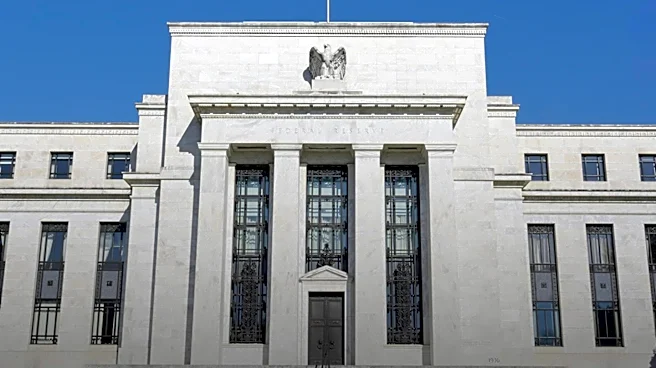
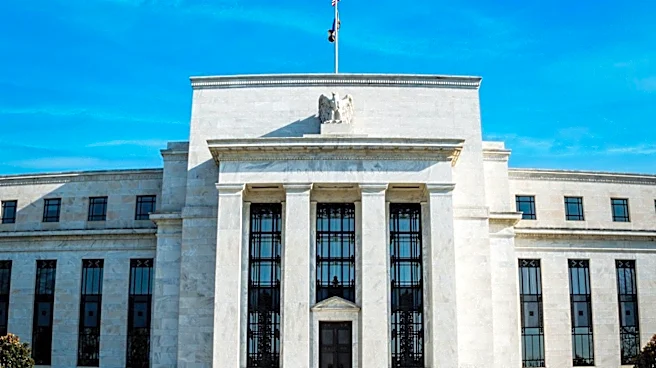
Federal Reserve Bank of Dallas President Lorie Logan has urged the central bank to clearly separate securities acquired during market-functioning interventions from its broader monetary policy portfolio. Speaking at a Dallas Fed bank funding conference,
Logan emphasized that establishing clearer operational boundaries would enable policymakers to stabilize Treasury markets without inadvertently stimulating the economy, especially during inflationary periods. Historically, Federal Reserve interventions to restore Treasury market liquidity often coincided with periods requiring economic accommodation, allowing a single asset-purchase program to serve dual goals. However, with inflation currently above target, Logan stated that the Federal Open Market Committee (FOMC) cannot allow emergency bond buying to depress term premiums and ease financial conditions. She suggested that the FOMC should hold purchased securities in a separate account and commit to selling them as soon as possible to prevent them from providing undesired stimulus.
Why It's Important?
This call for a clearer distinction between liquidity tools and monetary policy is crucial for maintaining the Federal Reserve's credibility and effectiveness, particularly in an inflationary environment. If market-functioning interventions are perceived as providing economic stimulus, it could send conflicting signals to the market and undermine the FOMC's efforts to implement a restrictive policy stance. This could lead to increased market volatility and make it harder for the Fed to control inflation. By segregating these operations, the Fed can ensure that its actions to stabilize financial markets are not misinterpreted as a shift in its broader monetary policy, thereby preserving its ability to manage inflation and maintain price stability. The proposal aims to prevent unintended economic consequences from necessary market interventions.
What's Next?
Logan urged the FOMC to establish clear operational protocols and public communication frameworks in advance, ensuring market participants understand when and how the central bank would act in times of market stress. This proactive approach would enhance transparency and reduce uncertainty. Beyond Treasury market interventions, Logan also advocated for structural upgrades to modernize the Fed's liquidity plumbing, including extending discount window operations to weekends and holidays to align with the growth of real-time payment networks like FedNow and the planned expansion of Fedwire Funds wholesale operations by 2028 or 2029. These measures aim to improve the efficiency and responsiveness of the financial system.
Beyond the Headlines
Logan's remarks highlight a fundamental challenge for central banks: how to effectively manage financial stability without compromising monetary policy objectives. The increasing complexity and interconnectedness of global financial markets mean that central banks are often called upon to intervene in times of stress. However, these interventions can have unintended consequences if not carefully managed. The proposal to separate liquidity tools from monetary policy reflects a growing recognition of the need for greater precision and clarity in central bank operations. This could lead to a more nuanced approach to financial market interventions, with a greater emphasis on transparency and accountability, ultimately strengthening the Fed's ability to achieve its dual mandate of price stability and maximum employment.