






What's Happening?
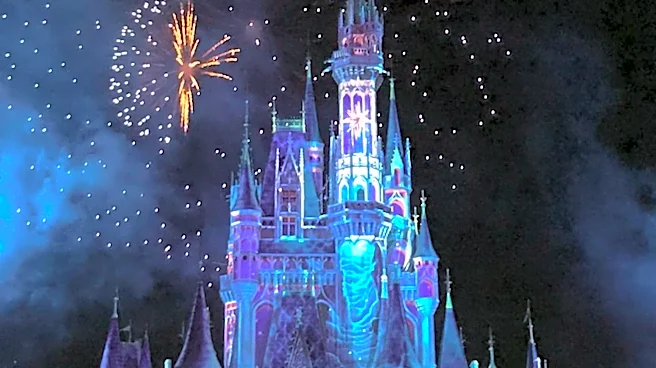
Walt Disney Co.'s theme parks division is implementing layoffs affecting between 100 and 200 employees. These cuts are part of a regular evaluation of the division's priorities, investments, and project timelines, according to a source familiar with the matter.
The affected employees are primarily within the experiences segment, which encompasses Disney's theme parks, cruise line, and the Aulani resort and spa in Hawaii. All impacted individuals are expected to be notified by the end of Wednesday. This action follows earlier layoffs in other parts of Disney, including human resources and technology teams, and an offer of early retirement packages to older workers, though this latest round is distinct from those previous initiatives.
Why It's Important?
These layoffs at Disney's theme parks division are significant because this segment is a crucial economic engine for the company, generating $36.2 billion in revenue and over 56% of its total operating income in fiscal year 2025. Workforce reductions in such a vital division indicate a strategic effort by Disney Chief Executive Josh D’Amaro to streamline operations, sharpen the company's focus, and enhance its responsiveness to the evolving entertainment industry. While the cuts are relatively small compared to the division's overall workforce, they reflect a broader trend of cost-cutting and consolidation within Hollywood. This move could impact employee morale and potentially signal a more cautious approach to staffing within Disney's highly profitable experiences sector, even as the company has numerous parks-related projects underway.
What's Next?
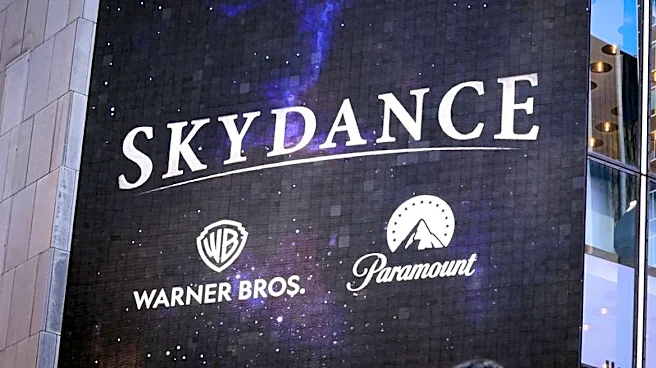
The immediate next step involves the notification of all affected employees by the end of Wednesday. Disney has not publicly commented on the layoffs, but the company's ongoing efforts to streamline operations suggest that further strategic adjustments may be considered across its various divisions. The entertainment industry as a whole is undergoing significant consolidation, with other major players like Skydance (the combined Paramount Skydance and Warner Bros. Discovery) also planning substantial cost reductions. This environment suggests that companies will continue to evaluate their workforces and investments to adapt to changing market dynamics and consumer behaviors. The impact on international visitation to Disney's domestic parks, which executives noted had moderated, will also be closely monitored as a factor influencing future staffing decisions.
Beyond the Headlines
The layoffs at Disney's theme parks division, despite its strong financial performance, underscore a broader industry-wide imperative for efficiency and agility in the face of rapid change. This trend extends beyond financial metrics to cultural and operational shifts within large corporations. The decision to reduce staff even in a highly profitable segment suggests a proactive approach to future-proofing the business, potentially by reallocating resources to new technologies or growth areas. It also highlights the increasing pressure on employees to adapt to evolving corporate priorities and the potential for job insecurity even within successful companies. The long-term implications could include a leaner, more technologically integrated entertainment industry, with a greater emphasis on strategic investments and a more fluid workforce model.