


What's Happening?
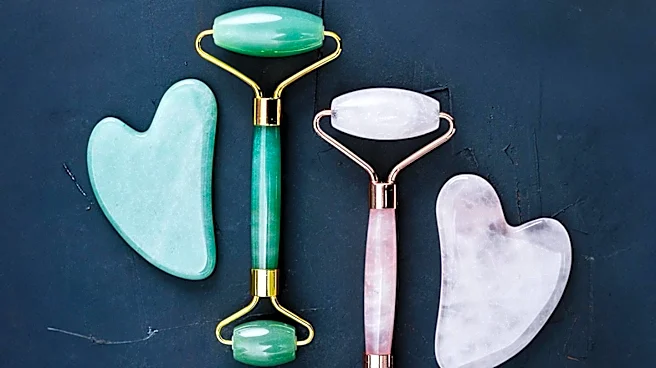
The market for facial sculpting tools is expanding, with various options available for consumers seeking to enhance their skincare routines at home. These tools, such as gua sha scrapers and jade rollers, are designed to offer benefits like reducing puffiness,
improving circulation, and defining facial contours. Stainless steel gua sha tools are highlighted for their cooling and de-puffing properties, with one product noted for its affordability at $7.62 and high customer satisfaction. Natural jade roller and gua sha sets are also popular, offering a soothing experience and aiding in serum absorption, typically priced around $4.29. Other options include natural stone gua sha tools for firming and lifting, resin gua sha scrapers made from materials like rose quartz for gentle use, and specialized metal gua sha tools for precision sculpting around facial contours. These tools are presented as accessible and effective ways to achieve professional-like spa treatments at home, with many products receiving high ratings and significant sales volumes.
Why It's Important?
The growing popularity of at-home facial sculpting tools signifies a broader trend in the beauty and wellness industry towards accessible, DIY solutions for skincare. This shift allows consumers to incorporate professional-grade techniques into their daily routines without the recurring cost of spa visits. The affordability of many of these tools, with prices often under $10, makes them accessible to a wider demographic, democratizing advanced skincare practices. This trend also reflects an increased consumer awareness and desire for products that promote lymphatic drainage, reduce inflammation, and improve skin elasticity. For the beauty industry, this indicates a robust market for innovative, user-friendly devices that cater to self-care and preventative aging. The emphasis on natural materials like jade and rose quartz also aligns with a consumer preference for natural and holistic beauty approaches, influencing product development and marketing strategies.
What's Next?
The continued growth in demand for at-home facial sculpting tools is likely to drive further innovation in the market. Manufacturers may introduce new materials, ergonomic designs, and integrated technologies to enhance user experience and efficacy. We can expect to see more advanced versions of existing tools, potentially incorporating features like vibration, heat, or LED light therapy to offer multi-functional benefits. The market may also see an increase in educational content, such as online tutorials and workshops, to guide consumers on proper usage techniques for optimal results. Retailers are likely to expand their offerings, creating dedicated sections for facial sculpting tools and bundling them with complementary skincare products like serums and oils. Furthermore, as more consumers adopt these tools, there could be a rise in demand for sustainable and ethically sourced materials, influencing supply chains and production practices within the beauty industry.
Beyond the Headlines
The rise of facial sculpting tools extends beyond mere aesthetics, touching upon broader aspects of self-care and wellness. The ritualistic use of these tools can provide a moment of mindfulness and relaxation, contributing to mental well-being in addition to physical benefits. This trend also highlights a growing consumer desire for control over their personal care routines, moving away from reliance on professional services for every aspect of beauty maintenance. Ethically, the sourcing of natural stones like jade and rose quartz could become a more prominent concern, prompting brands to ensure transparency and sustainability in their supply chains. Legally, as the market expands, there may be increased scrutiny on product claims and safety standards, particularly for tools that make therapeutic assertions. Culturally, the adoption of tools like gua sha, which have roots in traditional Chinese medicine, reflects a global integration of diverse wellness practices into mainstream Western beauty routines, fostering a cross-cultural exchange in self-care methodologies.