






What's Happening?
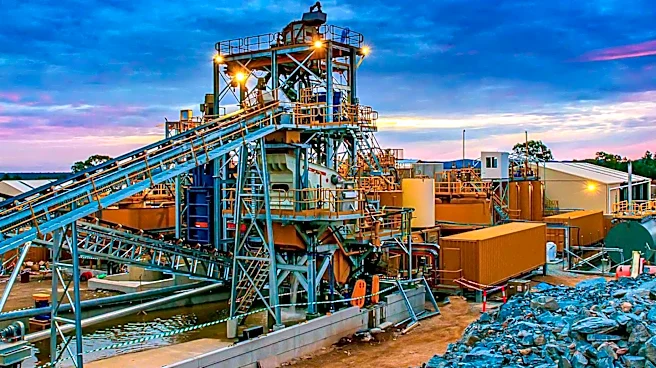
United States Antimony Corporation, headquartered in Dallas, Texas, is actively involved in the production and sale of antimony, zeolite, and precious metals across the United States and Canada. The company operates through two primary segments: Antimony and Zeolite.
Its antimony offerings include antimony trioxide, which serves as a flame retardant in various materials like plastics, rubber, fiberglass, textiles, paints, and paper. It is also used as a color fastener in paints and a phosphorescent agent in fluorescent light bulbs. Additionally, the company produces antimony metal for applications in bearings, storage batteries, and ordnance, and antimony trisulfide, utilized as a primer in ammunition. The zeolite segment provides coarse and fine zeolite for diverse uses such as soil amendment, water filtration, sewage treatment, and environmental cleanup, including nuclear waste. Zeolite also finds applications in odor control, gas separation, animal nutrition, and as carriers for insecticides and pesticides. Founded in 1968, the company also recovers unrefined and refined gold and silver.
Why It's Important?
The operations of United States Antimony Corporation are significant for several U.S. industries due to the critical materials it supplies. Antimony compounds are essential for fire safety in manufacturing, impacting sectors from construction and automotive to consumer goods. The demand for flame retardants is driven by safety regulations and consumer expectations, making the company a key supplier in this niche. Furthermore, the company's zeolite products play a crucial role in environmental management and agriculture. Zeolite's applications in water purification, waste treatment, and soil enhancement contribute to sustainable practices and resource management. Its use in animal nutrition also supports the agricultural sector. The recovery of gold and silver adds to the domestic supply of precious metals, which are vital for electronics, jewelry, and investment markets. The company's activities thus support industrial safety, environmental sustainability, and the supply chain for valuable commodities within the U.S. and Canadian economies.
What's Next?
As United States Antimony Corporation continues its operations, future developments may involve expanding its market reach for antimony and zeolite products, particularly as demand for flame retardants and environmental solutions evolves. The company could explore new applications for its materials, driven by technological advancements or emerging regulatory requirements. For instance, increased focus on sustainable agriculture or stricter environmental standards could boost demand for its zeolite products. Similarly, innovations in material science might create new uses for antimony compounds. The company's precious metals recovery operations could also see growth, influenced by global commodity prices and mining efficiencies. Potential reactions from stakeholders could include increased interest from industries reliant on these materials, as well as environmental agencies monitoring the use and disposal of such substances. Continued investment in research and development could also lead to more efficient production methods or novel product formulations, further solidifying its position in these specialized markets.
Beyond the Headlines
Beyond its direct economic contributions, United States Antimony Corporation's activities touch upon broader societal and environmental themes. The production of flame retardants, while crucial for safety, also raises discussions about the environmental impact and potential health effects of such chemicals, prompting ongoing research into safer alternatives. The company's role in environmental cleanup through zeolite highlights the growing need for effective solutions to pollution and waste management, underscoring the importance of materials science in addressing ecological challenges. Furthermore, the recovery of precious metals contributes to the circular economy by reducing the reliance on virgin mining and promoting resource efficiency. This dual focus on industrial utility and environmental responsibility positions the company at the intersection of economic development and sustainable practices. Its long-standing presence since 1968 also reflects the enduring demand for these specialized materials in a continually evolving industrial landscape.