






What's Happening?
Chris Ryan joined a podcast discussion to explore the future of Hollywood movie studio drafts. The conversation focused on the hypothetical ideal movie studio existence, with participants drafting various categories including filmmakers, actors, and franchises.
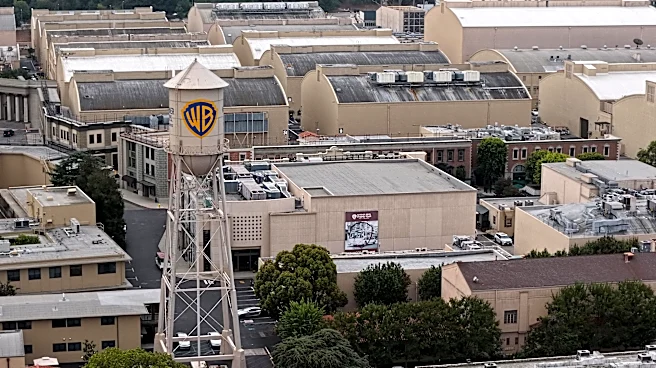
This discussion comes in the wake of significant industry consolidation, such as the recent Paramount-Warner Bros. merger and speculated potential mergers involving Netflix and Universal. The podcast episode delves into how these large-scale corporate realignments could reshape the landscape of film production and distribution, influencing creative control, talent acquisition, and the types of content produced. The hosts and guest considered the strategic implications of assembling a dream studio roster in an era of evolving media ownership.
Why It's Important?
The ongoing consolidation within the Hollywood movie industry, exemplified by mergers like Paramount-Warner Bros. and potential deals involving Netflix and Universal, has profound implications for the U.S. entertainment sector. These mergers concentrate power and resources among fewer, larger entities, which can affect everything from film financing and production budgets to distribution channels and creative freedom for filmmakers and actors. The discussion about 'movie studio drafts' highlights the strategic thinking involved in talent acquisition and intellectual property management in this new landscape. It suggests that studios are increasingly focused on securing top-tier talent and valuable franchises to compete effectively. This trend could lead to a more centralized industry, potentially limiting opportunities for independent creators and altering the diversity of cinematic offerings available to American audiences.
What's Next?
The trend of consolidation in Hollywood is expected to continue, with further mergers and acquisitions potentially reshaping the industry. This will likely lead to intensified competition for top talent and valuable intellectual properties, as studios aim to build robust portfolios. The discussions around 'movie studio drafts' could become more formalized as companies strategically plan their long-term creative and commercial assets. Audiences may see a shift in the types of films produced, with a greater emphasis on established franchises and tentpole releases that can guarantee returns for these larger corporations. The regulatory environment surrounding these mergers will also be a critical factor, as antitrust concerns could influence the pace and scale of future consolidations.
Beyond the Headlines
Beyond the immediate business implications, the consolidation of Hollywood studios raises deeper questions about artistic integrity and cultural impact. As fewer companies control more of the content creation and distribution, there's a potential risk of homogenization in storytelling and a reduction in diverse voices. The 'draft' concept, while playful, underscores the commodification of creative talent and intellectual property, treating them as assets to be strategically acquired. This shift could influence the types of stories told, favoring commercially viable narratives over artistically experimental or niche projects. The long-term cultural consequence for the U.S. could be a more uniform cinematic landscape, potentially impacting the industry's role as a mirror and shaper of societal values and narratives.