


What's Happening?
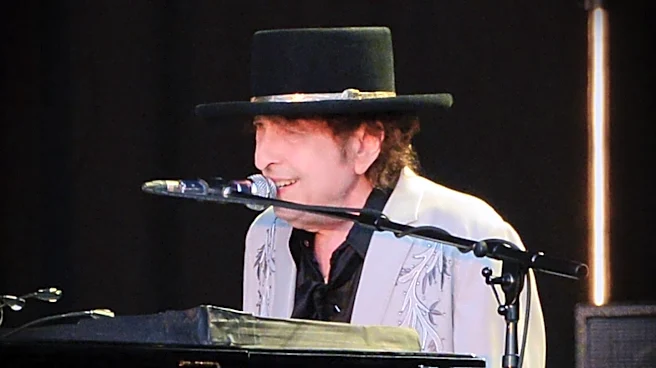
Bob Dylan released his 14-minute song 'Tempest' in 2012, which is based on the sinking of the Titanic. Despite the Titanic sinking 29 years before Dylan's birth, he felt it was his duty as a folk and blues musician to write about the event. Dylan explained
to Rolling Stone in 2012 that writing a song about the Titanic is a 'bar you have to pass' for folk, blues, and rock and roll singers. He noted that many musicians in these genres have historically written songs about the disaster. The song 'Tempest' even name-checks Jack Dawson, a character from James Cameron's film about the Titanic. Dylan's song is part of a long tradition, with other artists like the Carter Family, Lead Belly, and Blind Willie Johnson also dedicating songs to the 'unsinkable' ship.
Why It's Important?
The enduring musical fascination with the Titanic, as exemplified by Bob Dylan's 'Tempest,' highlights how historical tragedies can become significant cultural touchstones in American music. For folk and blues artists, the Titanic's story of pathos, romance, and tragedy offers a rich narrative for lyrical exploration, serving as a rite of passage for musicians in these genres. This tradition underscores the role of music in preserving and interpreting historical events, allowing new generations to engage with past narratives. The inclusion of a modern cultural reference like Jack Dawson from the James Cameron film also demonstrates how contemporary interpretations can blend with historical accounts, keeping the story relevant and accessible to a broader audience.
What's Next?
The tradition of musicians drawing inspiration from historical events like the Titanic is likely to continue. As long as the story of the Titanic's sinking on April 14, 1912, is recounted, new songs and artistic interpretations will emerge. These future works will serve to keep this part of history alive, potentially offering fresh perspectives or connecting the tragedy to contemporary themes. The ongoing creation of such music ensures that the cultural memory of the Titanic remains vibrant, influencing future artists and audiences alike.
Beyond the Headlines
The phenomenon of artists like Bob Dylan feeling a 'duty' to address historical events through their music reveals a deeper cultural function of art. It suggests that certain historical narratives, particularly those imbued with significant human drama and tragedy, transcend mere factual recounting to become archetypal stories that artists feel compelled to interpret. This artistic engagement helps to process collective trauma, explore universal themes of fate and human endeavor, and maintain a connection to the past that goes beyond academic study. The Titanic, in this context, becomes more than just a historical event; it transforms into a powerful symbol within the American cultural consciousness, continually reinterpreted and understood through artistic expression.