








What's Happening?
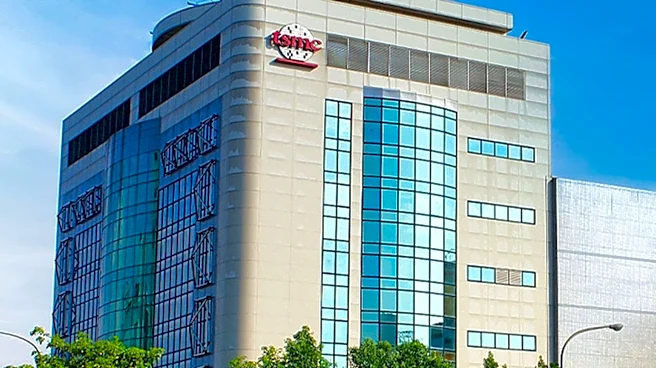
Taiwan Semiconductor Manufacturing (TSM) is a significant catalyst for new Taiwanese-backed industrial real estate projects across the U.S. Sunbelt region. Developers in cities like Phoenix, along with selective exposure in Texas, Georgia, and the Carolinas,
are actively seeking Taiwanese capital to fund facilities that support semiconductor manufacturing and supplier operations. These projects primarily involve the development of warehouses, cleanroom-ready shells, and logistics hubs. The aim is to create a robust support infrastructure around TSM's U.S. facilities, tightening the link between its fabrication plants (fabs) and nearby suppliers. This industrial push is directly tied to TSM's ongoing U.S. expansion and its need for an efficient supply chain to support its chip production.
Why It's Important?
This development is crucial for the U.S. semiconductor industry and its broader economic landscape. TSM's investment in the Sunbelt region signifies a strategic effort to localize critical components of the semiconductor supply chain, enhancing national security and reducing reliance on overseas manufacturing. The creation of warehouses, cleanroom facilities, and logistics hubs will not only support TSM's operations but also attract other related businesses, fostering a vibrant ecosystem of suppliers and service providers. This influx of industrial development is expected to generate significant economic growth, create jobs, and boost local economies in the Sunbelt states. For TSM, a denser supplier and logistics network near its U.S. fabs can improve efficiency, reduce lead times, and strengthen its competitive position, particularly in the rapidly growing markets for AI and advanced chips.
What's Next?
Investors and stakeholders should monitor the actual commitment of planned Sunbelt fund capital to projects directly serving TSM-linked fabs in Phoenix and other cities over the next 12 to 24 months. Key indicators will include the completion of industrial sites near TSM's Arizona facilities and the signing of leases with chip suppliers within its ecosystem. This will provide concrete data points on the traction of this U.S. buildout. The success of these infrastructure projects will be vital for TSM to align its physical capacity with the increasing demand for AI chips and to support complex packaging work like CoWoS. Continued investment and development in these areas are expected to reinforce the role of Taiwan-backed fabs in high-end chip production within the U.S.
Beyond the Headlines
The expansion of TSM's industrial footprint in the U.S. Sunbelt represents a broader geopolitical and economic realignment. It underscores the strategic importance of semiconductor manufacturing as a national priority, moving beyond purely economic considerations to encompass national security and technological sovereignty. This trend could lead to a more distributed global semiconductor manufacturing base, potentially reducing the risks associated with geographical concentration but also increasing overall production costs. The development of specialized industrial real estate, such as cleanroom-ready shells, highlights the unique infrastructure demands of advanced manufacturing and could spur innovation in industrial construction and logistics. This shift also reflects a growing emphasis on supply chain resilience, where proximity to end-users and a robust local support network are becoming increasingly critical factors for global technology leaders.