






What's Happening?
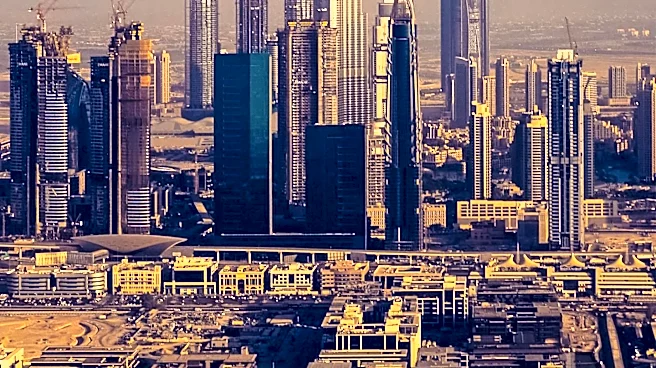
Mohamed Alabbar, the founder of Dubai-based Emaar Properties, has met with Zimbabwean President Emmerson Mnangagwa to discuss and confirm large-scale investment plans in Zimbabwe. Emaar Properties is renowned for developing iconic structures such as the Burj
Khalifa. The meeting signifies a potential influx of foreign direct investment into Zimbabwe, particularly from the United Arab Emirates. While the specific sectors or projects for investment were not detailed, the involvement of a major international developer like Emaar suggests significant construction and infrastructure development could be on the horizon for the Southern African nation. This engagement highlights Zimbabwe's efforts to attract international capital and boost its economy.
Why It's Important?
This development is significant for Zimbabwe as it signals a potential boost to its economy through foreign direct investment. Emaar Properties' involvement, known for large-scale urban developments, could lead to substantial infrastructure projects, job creation, and economic growth. For Emaar, expanding into Zimbabwe represents a new market opportunity, potentially leveraging the country's resources and emerging economic landscape. The investment could also enhance Zimbabwe's international standing and attract further foreign capital, diversifying its economic partnerships beyond traditional allies. The move could also be seen as a vote of confidence in Zimbabwe's economic reforms and stability, despite past challenges. This collaboration could set a precedent for other international companies considering investment in the region, potentially transforming Zimbabwe's urban and economic landscape.
What's Next?
Following the meeting, the next steps will likely involve detailed discussions and negotiations between Emaar Properties and the Zimbabwean government to finalize the investment plans. This will include identifying specific projects, securing necessary permits, and establishing timelines for development. The announcement could lead to further high-level meetings and the signing of memoranda of understanding or formal agreements. The Zimbabwean government will likely work to create a conducive environment for these investments, potentially through policy adjustments or incentives. The success of these initial projects could pave the way for even greater investment from Emaar and other international firms, contributing to Zimbabwe's long-term economic development goals. Public announcements detailing the scope and nature of the investments are also anticipated.
Beyond the Headlines
Beyond the immediate economic benefits, this investment could have profound long-term implications for Zimbabwe's urban development and national image. The involvement of a developer known for iconic structures could lead to the creation of modern, world-class infrastructure, potentially transforming the country's cities and attracting tourism and business. This partnership also reflects a broader geopolitical shift, with African nations increasingly looking to non-traditional partners for investment and development. The ethical considerations will involve ensuring that these large-scale projects are sustainable, environmentally responsible, and benefit the local population through fair labor practices and community engagement. It also raises questions about the balance between foreign investment and local economic empowerment, and how Zimbabwe will manage the potential cultural and social impacts of rapid urbanization and development driven by international capital.