



What's Happening?
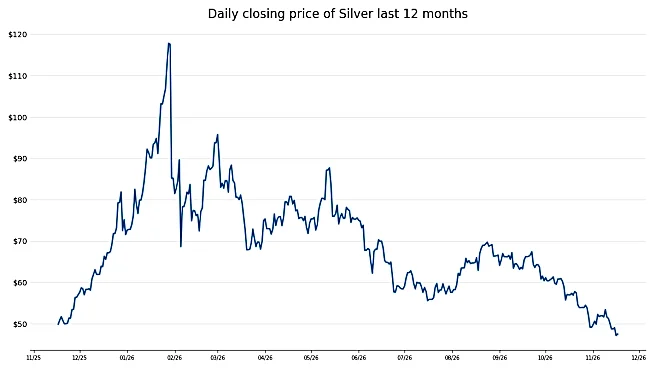
Gold's traditional role as an inflation hedge is diminishing as commodity prices, including energy, experience significant declines. According to Colin Cieszynski, chief market strategist at SIA Wealth Management, this shift is a major driver of gold's
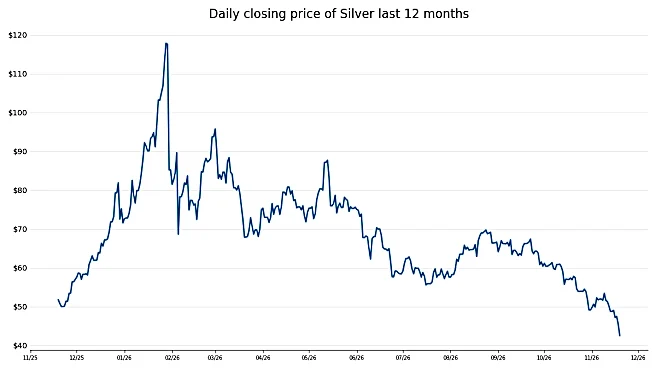
current weakness. The University of Michigan's consumer sentiment survey on Friday reported a massive drop in inflation expectations, further contributing to gold's sell-off. Cieszynski noted that gold is being 'hammered' even when the U.S. dollar is stable, suggesting that the inflation narrative is now the primary factor. He highlighted substantial declines in gold, silver, copper, and crude oil prices from their highs, indicating that the disinflation story is gaining traction. Cieszynski predicts that gold could return to its mid-2025 levels, around the $3,200 to $3,400 area, where it began its parabolic rally. Silver has also been significantly impacted, breaking below the $50 level and potentially heading back to its old range around $35.
Why It's Important?
The weakening of gold's inflation-hedge status has significant implications for investors who rely on precious metals as a store of value during periods of rising prices. As inflation expectations fall and commodity prices decline, the rationale for holding gold as a hedge diminishes, leading to a re-evaluation of its investment appeal. This shift could prompt a reallocation of capital from precious metals to other asset classes, particularly if the disinflationary trend continues. For the broader economy, falling commodity prices could signal a moderation of inflationary pressures, potentially easing the burden on consumers and businesses. However, it also raises questions about the underlying strength of economic demand. The anticipated return of gold and silver to mid-2025 levels suggests a significant market correction, impacting portfolios heavily weighted in these assets. This development underscores the dynamic nature of market drivers and the need for investors to adapt their strategies to evolving economic conditions.
What's Next?
Colin Cieszynski anticipates continued bearish sentiment for gold in the near term, particularly in the upcoming week, which he expects to have low liquidity. He believes that bulls are unlikely to step in and defend gold prices meaningfully, suggesting a further drift downwards. The next significant support zone for gold is identified between $3,200 and $3,400, which aligns with its mid-2025 launch point. For silver, the next downside target is around $35. Investors will be closely watching for further signs of disinflation and commodity price movements, as these will continue to dictate the trajectory of precious metals. The market's focus will shift from inflation hedging to other factors, such as real yields and broader economic sentiment, as the primary drivers of gold and silver prices.
Beyond the Headlines
The diminishing role of gold as an inflation hedge reflects a broader narrative shift in the economic outlook. If the disinflationary trend continues, it could signal a return to a more stable price environment, potentially reducing the urgency for aggressive monetary policy tightening by central banks. This could have a ripple effect across global markets, influencing currency valuations, bond yields, and equity performance. The re-evaluation of gold's utility also highlights the evolving nature of investment strategies in response to changing economic paradigms. Investors may need to reconsider traditional safe-haven assets and explore alternative hedges against economic uncertainty. Furthermore, the significant declines in commodity prices could indicate a slowdown in global demand or an increase in supply, with implications for various industries and geopolitical dynamics related to resource-rich nations. This development challenges long-held assumptions about inflation and its impact on asset classes, prompting a deeper analysis of underlying economic forces.