
What's Happening?
The long-standing dominance of open-concept kitchen designs in American homes is experiencing a notable decline, with a growing number of homeowners, architects, and designers re-evaluating their practical
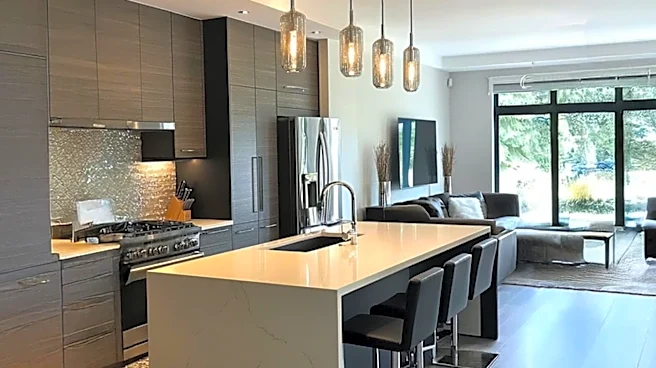
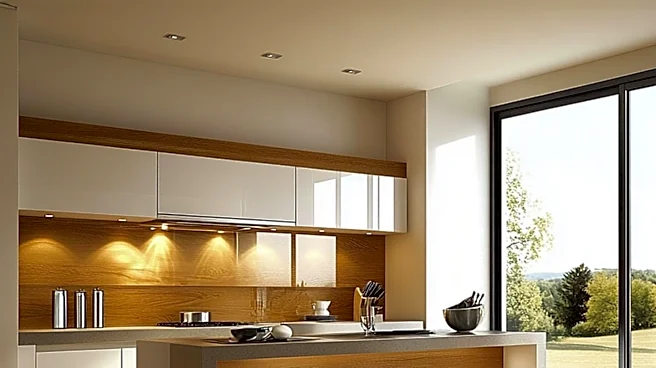
benefits. Data from the American Institute of Architects’ Home Design Trends Survey indicates a drop in requests for open-concept kitchen designs from 47% in 2018 to 36% in 2020. While a 2021 Rocket Mortgage survey showed that 51% of Americans still prefer an open layout, only 12.4% reported spending the majority of their entertaining time in the kitchen itself. This shift is attributed to several functional drivers, including the rise of remote and hybrid work, which highlights issues with noise and distractions in open spaces. Cooking-related odors and particulates, along with the constant pressure to maintain a 'guest-ready' kitchen, are also contributing factors to this reconsideration. The emerging trend is not a full return to sealed-off kitchens but rather a move towards 'broken-plan' living, which incorporates flexible boundaries to define separate zones while maintaining light and connection.
Why It's Important?
This shift in home design preferences has significant implications for the U.S. housing market, construction industry, and interior design sector. For homeowners, it signals a move towards more practical and adaptable living spaces that better accommodate modern lifestyles, particularly with the increased prevalence of remote work. Builders and developers may need to adjust their standard floor plans to incorporate more flexible or semi-enclosed kitchen designs, potentially impacting material choices and construction costs. The interior design industry will see a greater demand for solutions that create distinct zones within homes, such as steel-frame glass doors, pocket doors, and partial walls, moving away from purely open layouts. This trend could also influence the resale value of homes, as buyer preferences evolve to prioritize functionality and privacy over an entirely open aesthetic. The emphasis on containing noise, odors, and visual clutter reflects a broader societal trend towards creating more functional and less stressful home environments.
What's Next?
The housing and design industries are likely to continue adapting to this evolving preference for more defined kitchen spaces. We can expect to see an increase in innovative solutions for 'broken-plan' living, offering homeowners the flexibility to create separation when needed without fully sacrificing the sense of openness. This may include more readily available and cost-effective options for installing sliding doors, movable partitions, and strategic furniture arrangements. Architects and designers will likely focus on integrating these flexible elements into new constructions and renovation projects. Furthermore, manufacturers of kitchen appliances and ventilation systems may see increased demand for products that effectively manage cooking odors and noise, supporting the desire for more contained kitchen environments. The real estate market may also begin to highlight these flexible layouts as a desirable feature, influencing marketing strategies and property valuations.
Beyond the Headlines
The move away from strictly open-concept living reflects deeper societal and cultural shifts, particularly concerning the role of the home in modern life. The rise of remote work has transformed homes into multi-functional spaces that must accommodate work, education, and leisure simultaneously, making the practical drawbacks of open layouts more apparent. This trend also challenges the long-held ideal of the 'always guest-ready' home, suggesting a greater emphasis on personal comfort and functionality over constant presentability. Ethically, it raises questions about how design can better support mental well-being by reducing sensory overload and providing dedicated spaces for different activities. Culturally, it signifies a potential return to valuing distinct rooms and privacy, moving away from the mid-20th-century ideal of seamless, flowing spaces. This evolution in home design underscores a broader re-evaluation of how our physical environments shape our daily experiences and overall quality of life.