



What's Happening?
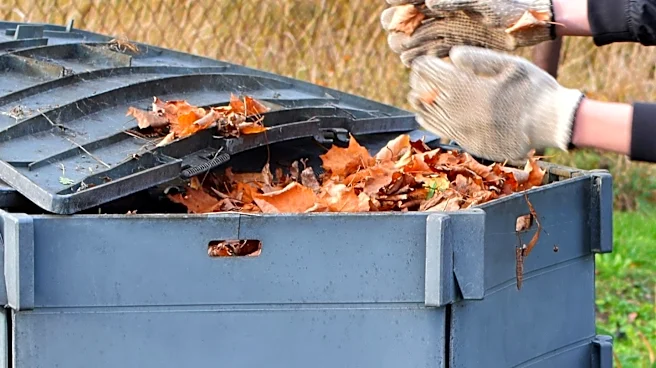
Arundel Rivers has issued recommendations for fall gardening practices aimed at promoting river health and supporting local ecosystems. Key advice includes leaving fallen leaves in place, as they provide essential overwintering habitat for pollinators
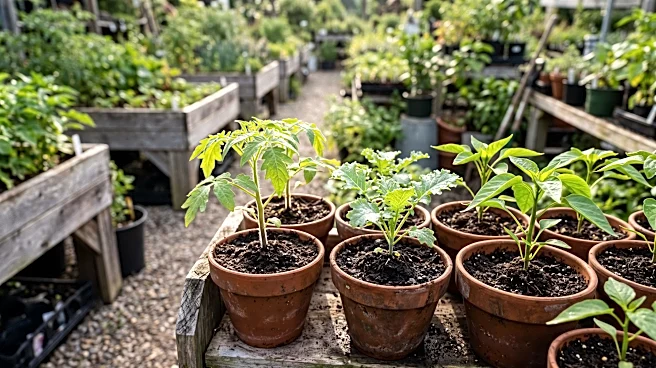
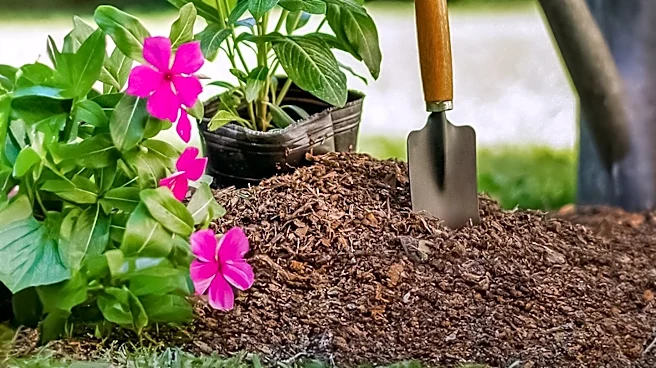
and other creatures, and enrich soil as they decompose. If leaves must be raked, gardeners are encouraged to consolidate them in less visible areas of their yards. The organization also suggests leaving seedheads on native plants to provide food for birds and habitat in hollow stems for native bee species. Gardeners are advised to skip fertilizer application during the rainy autumn season, allowing plants to naturally rest. For active tasks, mulching with wood mulch is highly recommended for young trees and shrubs to provide insulation, with a caution to keep mulch a few inches away from tree trunks. Finally, autumn and winter are identified as ideal times for sowing native seeds directly into the ground or in DIY milk jug greenhouses.
Why It's Important?
These recommendations are crucial for promoting ecological health and water quality in local watersheds. By encouraging practices like leaving leaves and seedheads, Arundel Rivers helps protect vital pollinator populations and provides food sources for birds, contributing to local biodiversity. Avoiding synthetic mulches and fertilizers reduces chemical runoff into waterways, which can harm aquatic life and water quality. Proper mulching techniques insulate plants, reducing stress and the need for excessive watering, thus conserving resources. The emphasis on native seeds supports local flora, which are better adapted to the regional climate and soil, requiring less intervention and providing better habitat for native fauna. These river-friendly gardening practices empower individuals to make a tangible positive impact on their local environment, fostering a healthier ecosystem and more resilient plant communities.
What's Next?
Gardeners who adopt these practices will see benefits in their yards and local waterways over time. The organization plans to host a second meeting of its 'Garden Gang' gardening group in January, focusing on winter sowing and preparing for pruning, indicating ongoing educational efforts. This suggests a continued push for community engagement and knowledge sharing on sustainable gardening. As winter progresses, the focus will shift towards preparing for spring, with pruning and further native seed sowing activities. The long-term goal is to foster a community of gardeners who consistently implement river-friendly practices, leading to improved water quality and increased biodiversity within the Arundel Rivers watershed and beyond.
Beyond the Headlines
The recommendations from Arundel Rivers highlight a growing movement towards ecological gardening, where yards are viewed not just as aesthetic spaces but as integral parts of the broader ecosystem. This approach challenges traditional gardening norms that often prioritize manicured appearances over ecological function. By advocating for practices like leaving leaves and seedheads, Arundel Rivers encourages a shift in perception, promoting a more naturalistic and less interventionist style of gardening. This also touches upon the ethical dimension of land stewardship, where homeowners are encouraged to consider their role in supporting local wildlife and protecting natural resources. The emphasis on native plants and avoiding chemical inputs reflects a broader environmental consciousness, aiming to mitigate human impact on natural systems and foster a more harmonious coexistence with nature.